 OMM Redaksiyası

Persistent heatwaves and prolonged drought across Europe have turned many riverbeds into dry, sandy areas.
Operative Information Center-OMM reports that international media outlets have highlighted the severity of the situation.
Major rivers vital for the continent's trade and agriculture, including the Rhine, Danube, and Po, have seen water levels drop to historic lows. This situation has caused significant disruptions to freight transport and forced some nuclear power plants to shut down reactors.
Analysis of satellite imagery by The Wall Street Journal reveals the rapid decline in water levels compared to the same period last year.
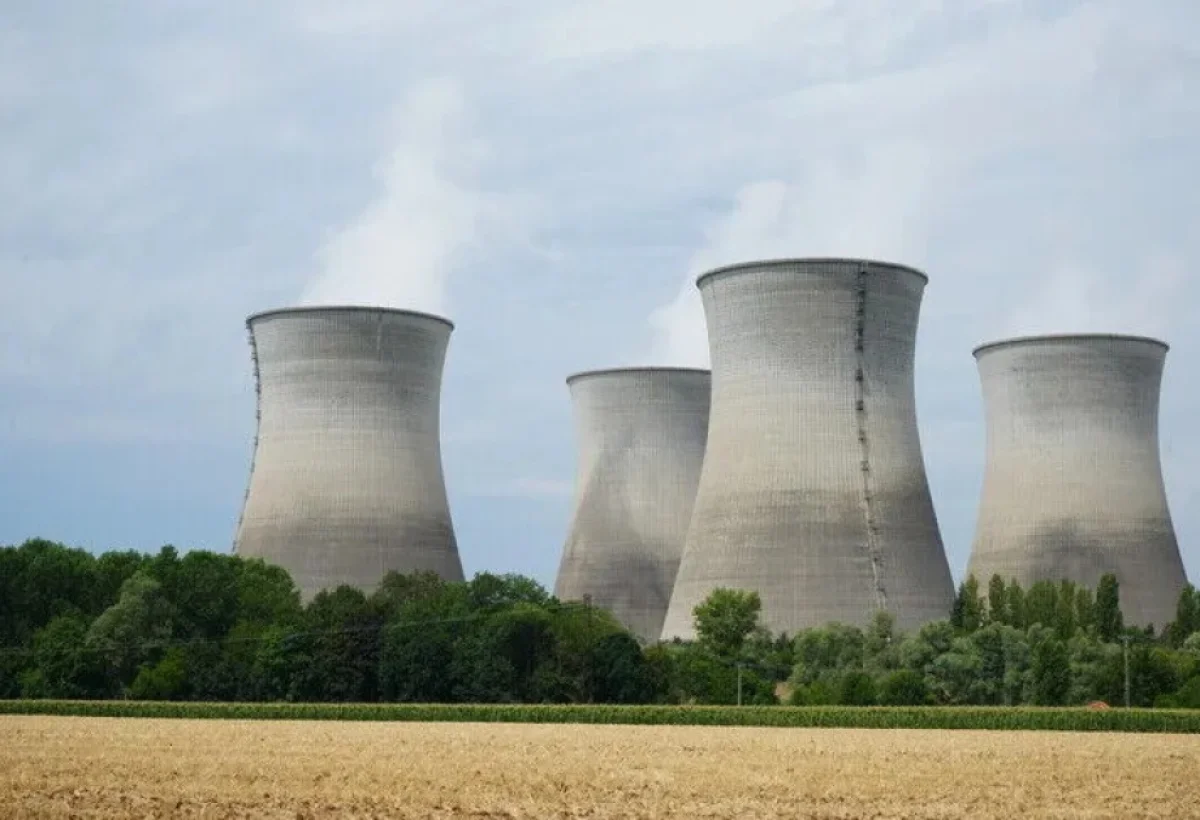
The extreme drop in the Danube has hindered the cooling water requirements of Romania's only nuclear power plant. The Cernavoda Nuclear Power Plant, which provides approximately 20 percent of the country's energy demand, halted operations in mid-August. Military efforts to redirect water to the plant using explosives were unsuccessful.
Hungary's Paks Nuclear Power Plant, which supplies about 40 percent of the country's electricity, has also reached the brink of suspending production due to water shortages.
The sharp decline in water levels in parts of the Rhine has forced cargo ships to operate at only 20 percent of their capacity. This has increased transportation costs and disrupted supply chains. In the Kaub region of Germany, water levels have dropped to 24 centimeters, and in some areas below 8 centimeters, rendering freight transport economically unviable.
The receding water in Italy's longest river, the Po, has allowed saltwater from the Adriatic Sea to intrude into the riverbed, posing a serious threat to agricultural lands and crops.
Although winter precipitation in much of Southern and Western Europe was above average, heatwaves continuing since May have rapidly dried the soil. Experts note that even if it rains, the water is likely to be absorbed by the parched soil before reaching the rivers, meaning the situation is unlikely to improve in the short term. According to European Commission data, high temperatures and drought conditions are expected to persist through August and September.