OMM Redaksiyası

The US military has deployed two additional “Patriot” missile batteries to protect energy facilities in Saudi Arabia and Qatar amid preparations for possible renewed military operations against Iran, “Axios” reported Thursday, citing two US officials and a regional source.
One battery was sent to Saudi Arabia last month to protect a key oil facility, while the other was deployed to Qatar to defend a natural gas facility, the report said.
The deployments were intended to reassure Riyadh and Doha that Washington would protect their critical energy infrastructure if US President Donald Trump resumes major combat operations against Iran.
Trump weighs renewed strikes on Iran
Trump said Thursday that he was considering restarting a bombing campaign in the coming weeks. “Now I have to make a decision: either Iran signs the deal, or it won't exist any longer,” he said.
According to “Axios”, Saudi and Qatari leaders urged Trump in early August not to launch a major attack that would include strikes on Iranian energy infrastructure, fearing retaliation against their own oil and gas facilities. US officials said those appeals were a key factor in his decision to pursue economic pressure instead.
Washington would need Saudi permission to use the kingdom’s airspace for renewed major combat operations, the report said. Riyadh would be unlikely to agree without assurances that its oil facilities were protected.
US Central Command spokesman Capt. Tim Hawkins declined to comment.
More US forces heading to the region
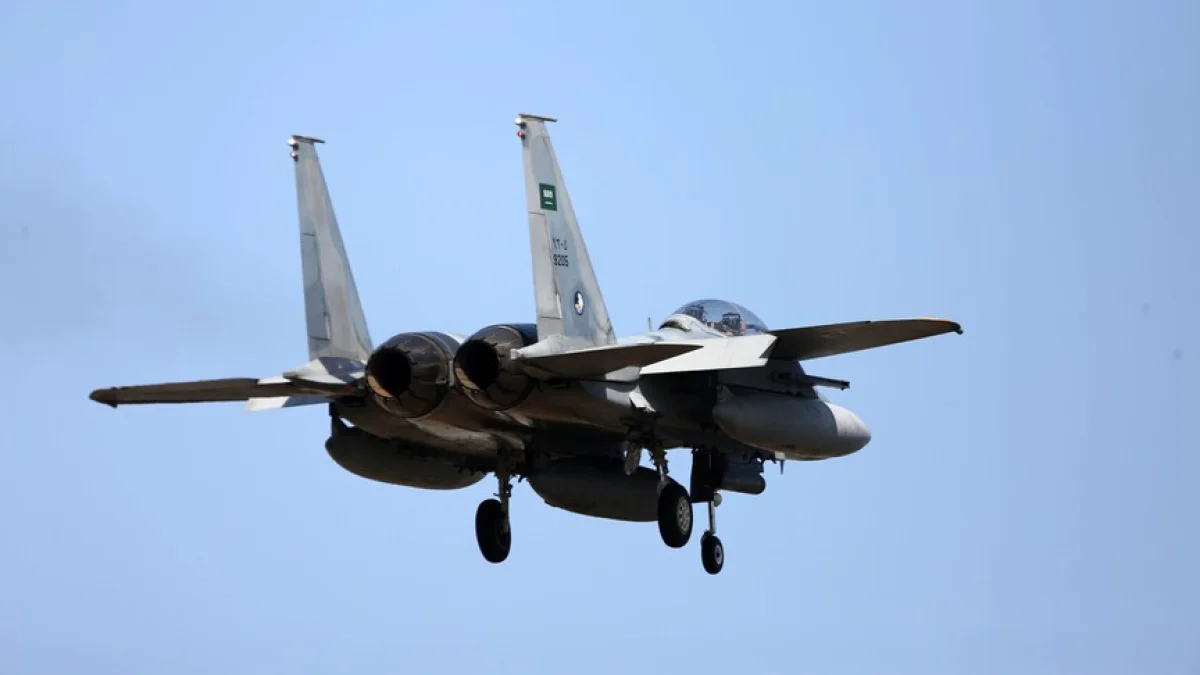
The United States is also sending additional warships, fighter jets and troops to the Middle East, “Axios” reported.
The USS Theodore Roosevelt aircraft carrier and its strike group left San Diego on Sunday and were expected to reach the region around mid-November, a US official said.
Officials have not yet determined whether the carrier will replace an existing deployment or increase the US presence to three carrier strike groups.
The Makin Island Amphibious Ready Group, carrying thousands of Marines from the 13th Marine Expeditionary Unit, also left for the region on Monday and is expected to arrive by the end of November, the report said.