 OMM Redaksiyası

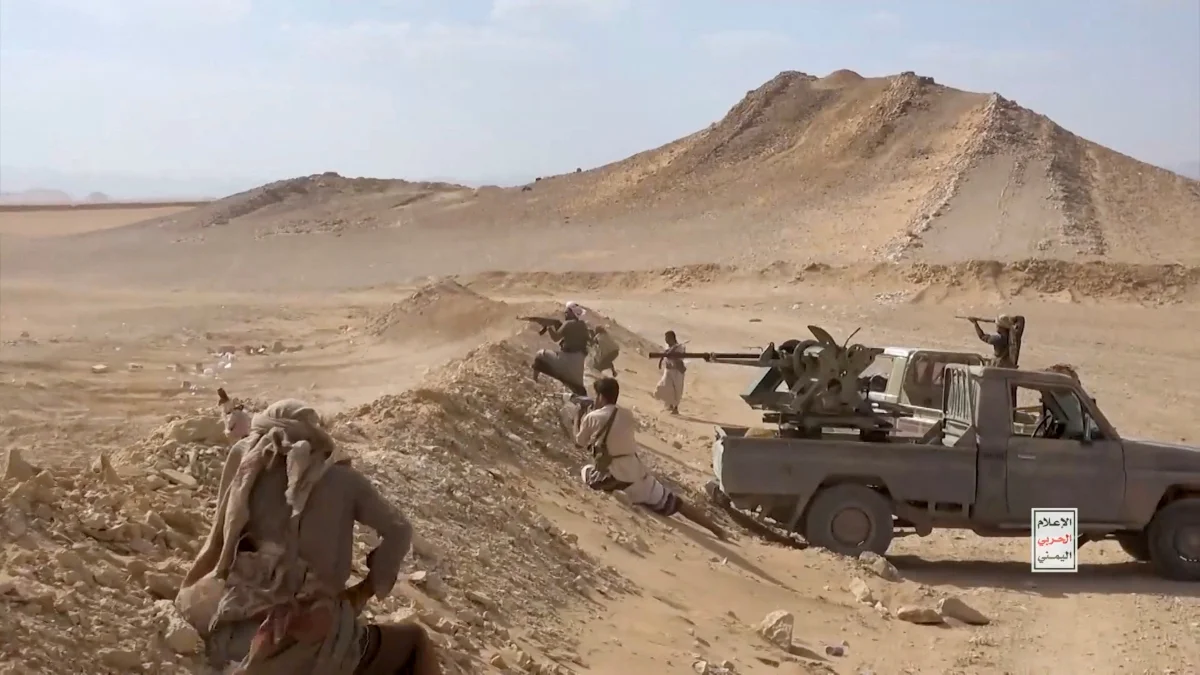
Violence has intensified again in Yemen between government forces backed by Saudi Arabia and the Iran-backed Houthis. UN agencies said internally displaced persons’ camps and health facilities had come under attack during the fighting, while civilian casualties continued to rise.
The latest clashes represent a sharp escalation in Yemen’s civil war, which had largely remained frozen since a ceasefire agreement was reached in 2022. According to the UN, more than 130,000 people have fled their homes in recent weeks. Some of them have crossed the Red Sea and sought refuge in Africa.
Children killed in attacks
UN High Commissioner for Human Rights Volker Türk said his office had documented three attacks on sites housing internally displaced people since August. The attacks in Marib province on Aug. 7, Sept. 7 and Sept. 9 left dozens of people affected, including five children who were killed.
Türk’s office determined that 32 civilians, including 15 children and three women, had been killed in fighting involving drone and missile strikes since August. A total of 125 people were reported killed or wounded during the latest escalation. UN officials said the actual figure could be higher because of security concerns and limited access to the affected areas.
“Civilians are bearing the brunt of this latest wave of fighting,” Volker Türk said.
Attacks on health facilities
The World Health Organization said some medical facilities had come under direct attack. According to the organization, an ambulance driver and a health worker were killed in Lahij on Sept. 18. No side was identified as responsible for the attack.
Both sides have claimed that hundreds of people were killed in fighting in recent weeks, but have not provided detailed information. Houthi spokesperson Mohammed Abdulsalam said the UN human rights office was no longer impartial and rejected its allegations. He accused Saudi forces of bombing civilian facilities, including a correctional facility, homes and schools.
Humanitarian needs rise in Yemen
More than 70 UN employees are reportedly being held by the Houthis in Yemen. Some of them have allegedly been detained for years. Volker Türk called for their release and urged all parties to protect civilians.
Some 18 million people—roughly half of Yemen’s population—are facing acute food insecurity. The World Health Organization is sending blood bags, trauma kits and surgical equipment to treat injuries, while deploying emergency medical teams to areas where casualties are rising.
However, many people remain without the assistance they need. The UN’s refugee aid plan for Yemen had received less than 20% of the required funding before the renewed violence.
Aisha Ahmed, a mother of four living in the Taj camp, said the arrival of more people in the area in recent weeks had further increased shortages of water and other basic supplies.
“We need water and everything else. We have nothing,” Aisha Ahmed said.