Afət Ziyadqızı

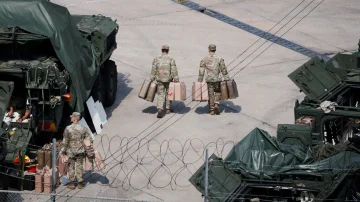
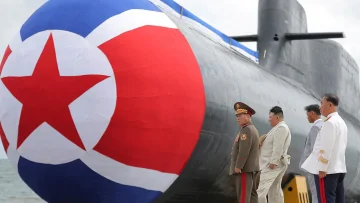
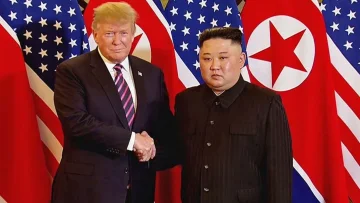
US President Donald Trump's decision to restrict military exercises, which he characterized as "inappropriate and provocative" in relation to North Korea, has created significant friction within the US-South Korea alliance. The directive issued to the Pentagon to scale back these activities has caught Seoul off guard, prompting urgent discussions regarding the future of regional security.
According to the Operative Information Center-OMM, the South Korean leadership and Foreign Minister Cho Hyun were reportedly unaware of the decision prior to its announcement. Seoul has characterized the move as a serious development that could impact the core defense cooperation between the two nations. Experts, including Jo Biyun from the Atlantic Council, have warned that the abrupt suspension of these drills risks undermining South Korea's confidence in the US security guarantee.
The concerns in Seoul extend beyond the immediate impact of the military drills. There is growing apprehension regarding the potential withdrawal of the approximately 27,000 US troops stationed in South Korea, as well as fears that Washington might unilaterally recognize North Korea's nuclear status without prior consultation. Furthermore, the Trump administration's strategy of linking trade and security issues has exacerbated tensions; President Trump has publicly criticized South Korea's military spending contributions and expressed dissatisfaction with Seoul's reluctance to join military initiatives targeting Iran.
The US-South Korea alliance, formalized by the 1953 Mutual Defense Treaty following the Korean War, has long served as a cornerstone of stability in the Indo-Pacific region. The current diplomatic friction highlights the complexities of balancing denuclearization efforts on the Korean Peninsula with the maintenance of a robust, decades-old security partnership.