Afət Ziyadqızı

A proposal by Zahid Oruj, chairman of the Milli Majlis Human Rights Committee, to cut gas and electricity prices threefold in Baku to reduce population density and prevent migration from villages has sparked discussion. But would cheaper utilities alone be enough to stop the flow of rural residents to cities, and what steps are needed to keep people in the regions?
Speaking to the “Operative Information Center-OMM” on the issue, former parliamentarian Tahir Karimli said he fully supported the proposal to reduce gas and electricity prices in rural areas:
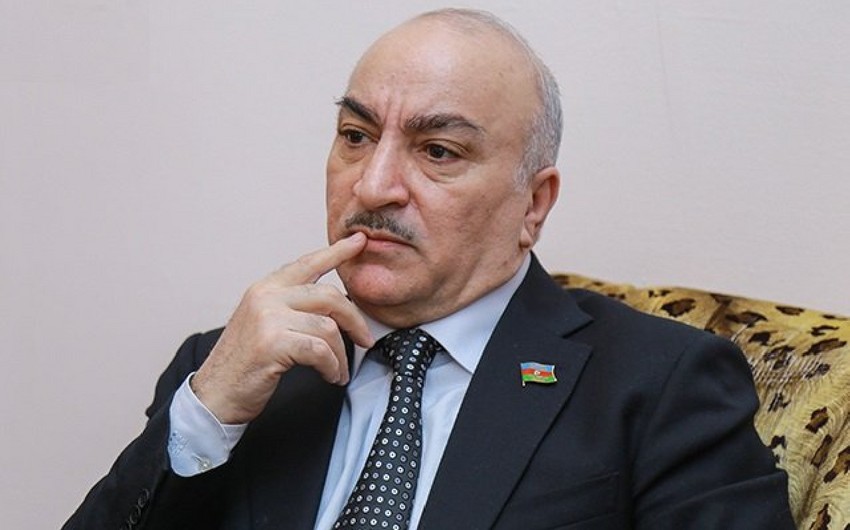
“I have repeatedly proposed removing limits on gas and electricity use in rural areas, particularly mountain villages, reducing their prices and even providing them free of charge to families of martyrs and people living in difficult conditions. However, mass migration from villages to cities is not solely related to utilities. After collective farms and agricultural administrations were once abolished, people became unemployed en masse. Since the land shares were also small, not everyone could afford to purchase and operate machinery, and many had to sell their land.”
According to Tahir Karimli, the main problem in villages today is mass unemployment, which encourages migration to the capital and abroad:
“First of all, attractive jobs must be created in rural areas, decent wages must be ensured, certain taxes must be abolished and subsidies must be provided. Farmers should receive interest-free loans for five to 10 years. If social support such as pensions or child benefits is also increased, this would significantly help rural families make a living. I assure you that if there were a 500-manat job in a district instead of a 1,000-manat job in Baku, no one would leave their hometown for the capital. Living in the city also involves its own costs.”
The former lawmaker also stressed the importance of supporting various areas of agriculture and drawing on international experience:
“Agricultural enterprises must be established in earnest, land must be used intensively, and conditions must be created for the development of livestock breeding, sericulture and poultry farming. For example, several years ago in Uzbekistan, incubator chicks were distributed to rural residents so they could establish their own farms. Similar support mechanisms could also be applied here. In short, the state must support efforts to make rural residents prosperous and strengthen farms. This would reduce congestion in the city and help ease the traffic problem to a certain extent.”
Rural development measures such as agricultural subsidies, affordable financing and local employment are widely used to reduce internal migration. Their effectiveness depends on stable infrastructure, access to markets and sustained support for small farmers.