 OMM Redaksiyası

Syria has placed approximately 73 tons of natural uranium under the control of the International Atomic Energy Agency (IAEA), the UN nuclear watchdog.
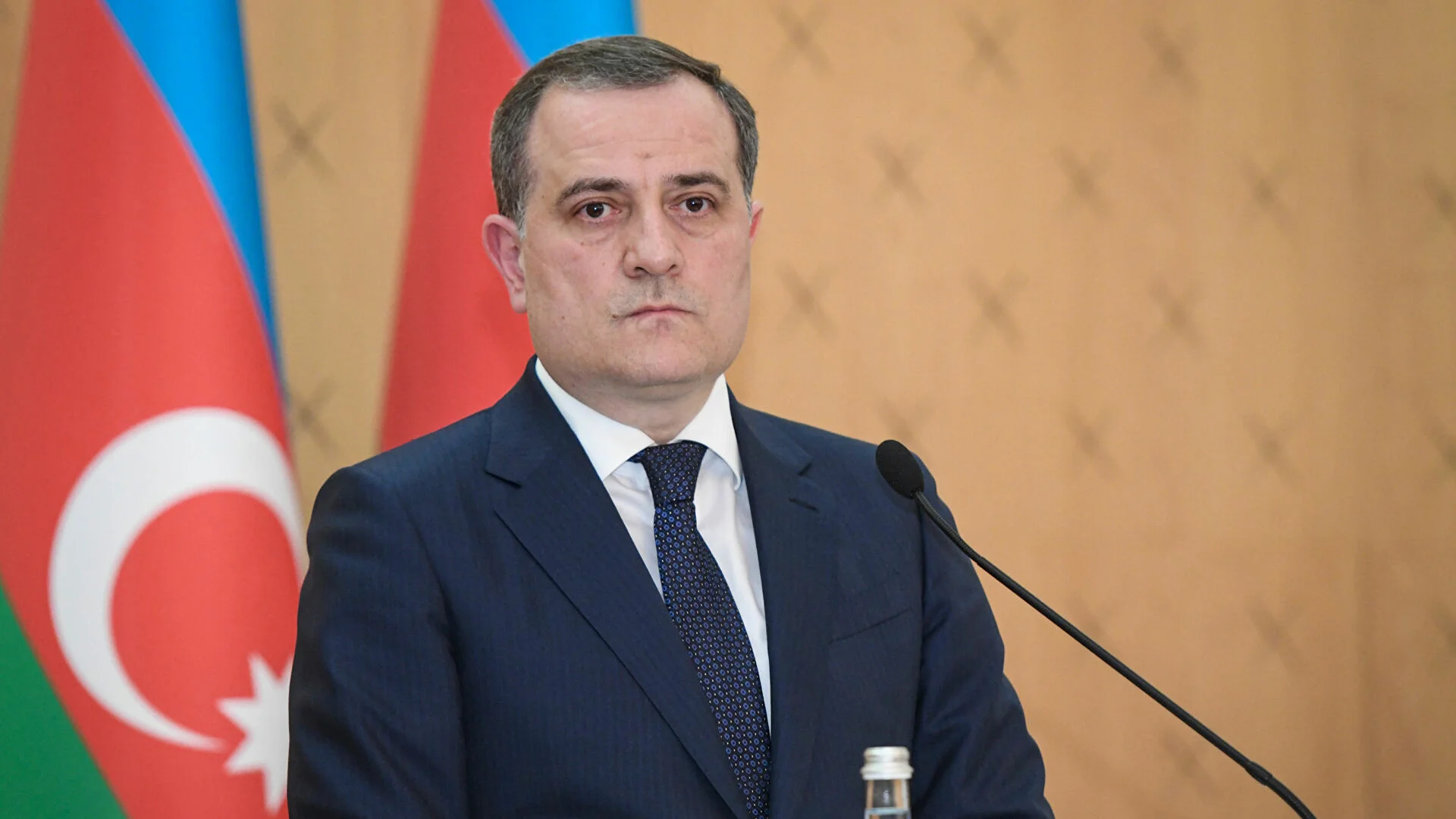
Syrian Foreign Minister Asaad al-Shaibani told the IAEA General Conference that the material would remain in Syria but would be monitored under international safeguards agreed with the agency.
The decision follows years of investigations into Syria’s nuclear activities. Renewed cooperation between Damascus and the IAEA is aimed at resolving outstanding issues dating back to 2011.
According to Syrian officials, steps have been taken in recent months to increase transparency regarding nuclear-related activities and facilities. Al-Shaibani said the disclosure of nuclear material at a previously undeclared site, along with the submission of reports and technical information requested by the IAEA, had helped accelerate cooperation.
Under the renewed cooperation framework, Syria has provided international inspectors with access to facilities that had previously been subject to restrictions. One of the most significant steps was allowing IAEA representatives to visit sites in the Deir ez-Zor area that had raised questions about Syria’s nuclear history.
Syrian and IAEA experts are examining the remains of infrastructure in the area and assessing unresolved material from previous inspections.
Syrian officials say the country’s nuclear program is intended for civilian and development purposes, rather than military use. Damascus plans to use nuclear technology in healthcare, particularly to advance nuclear medicine for cancer treatment.
Syria also plans to apply nuclear technologies in agriculture, water management, scientific research, food security monitoring and environmental management.
Damascus has renewed its call for the establishment of a Middle East zone free of nuclear weapons and other weapons of mass destruction. Syria has proposed placing all nuclear facilities in the region under comprehensive international monitoring.
During his address, al-Shaibani also criticized Israel’s military operations in Syrian territory. He said ongoing violations undermined stability and international law, and called for increased diplomatic efforts to reduce tensions.
For Syria, placing the nuclear material under IAEA control is being viewed not only as a technical measure, but also as an attempt to return to international diplomacy after years of isolation.
The IAEA, established in 1957, promotes the peaceful use of nuclear energy and verifies that nuclear materials and activities are not diverted to military purposes through its safeguards system.