 Afət Ziyadqızı

Shipping activity in the Strait of Hormuz, one of the world's most critical maritime chokepoints, has experienced a notable decline.
According to the Operative Information Center-OMM, citing preliminary shipping data reported by Reuters, a significant number of vessel operators are avoiding the route due to a lack of clear signals regarding the stability of transit operations in the region.
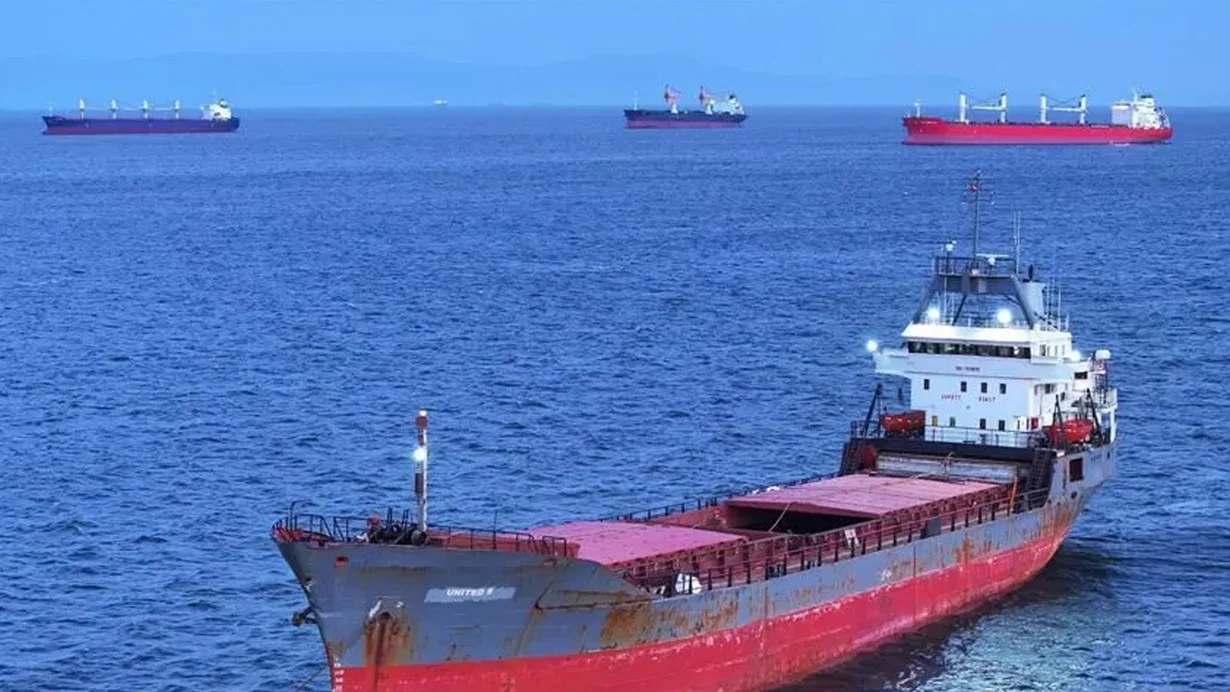
Data from the analytics firm Kpler indicates that only six commodity-carrying vessels traversed the Strait of Hormuz on Tuesday. This figure represents a decrease from the nine vessels recorded the previous day and remains below the daily average of 11 commodity-carrying ships observed over the past 10 days.
The reduction in traffic is primarily attributed to ongoing uncertainty regarding security conditions within the Strait. The absence of definitive guidance from official authorities concerning transit protocols and route safety has led many shipowners to mitigate risk by opting for alternative maritime corridors.
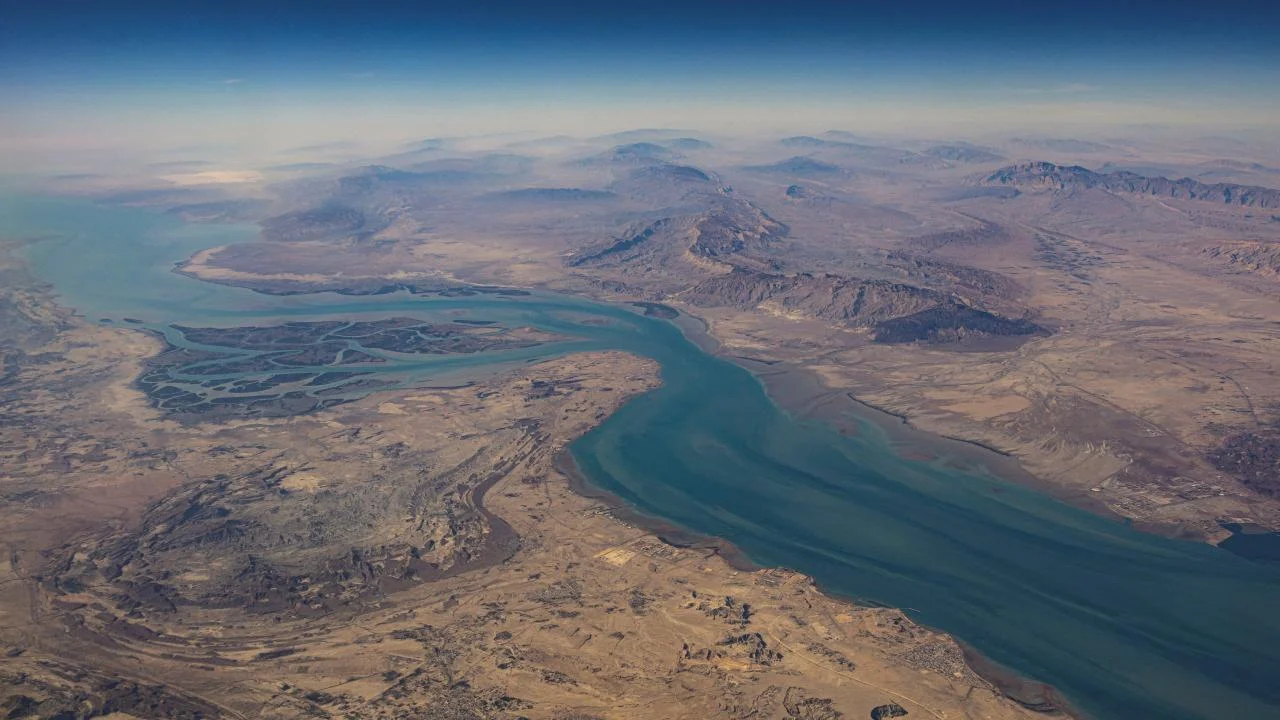
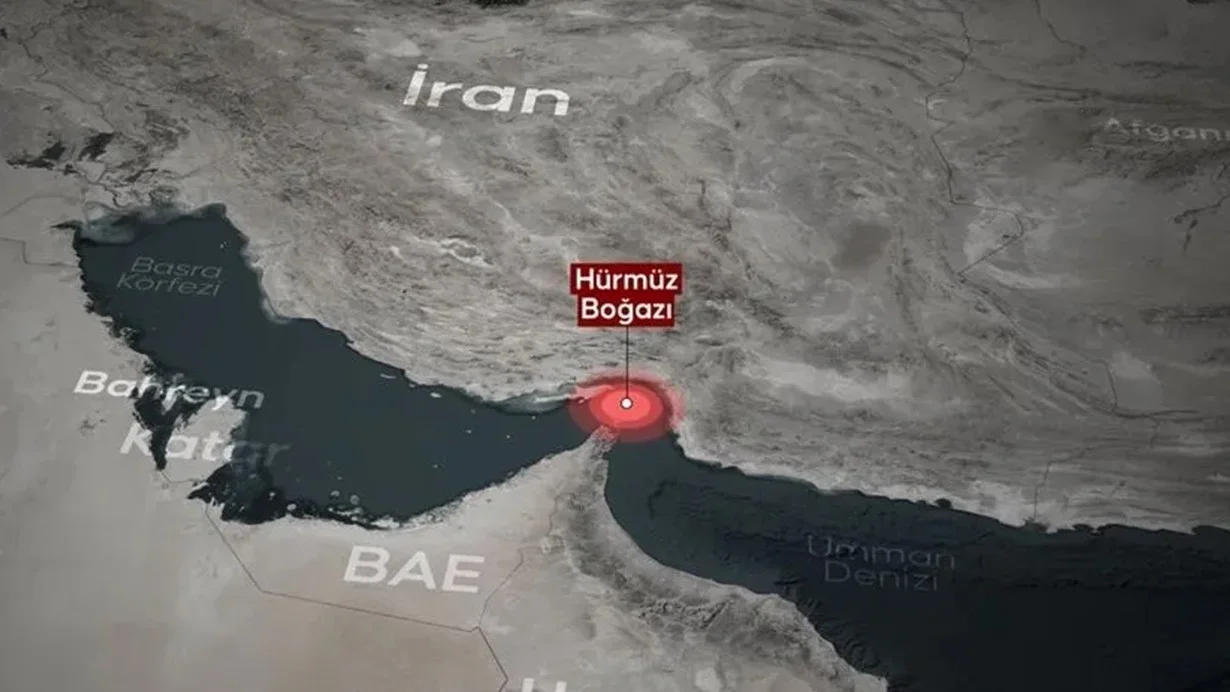
The Strait of Hormuz is a vital artery for global energy supplies, connecting the Persian Gulf to the Gulf of Oman and the Arabian Sea. As a significant portion of the world's oil and liquefied natural gas (LNG) passes through this narrow waterway, any sustained disruption or reduction in traffic has the potential to exert significant pressure on international energy markets and global supply chains.