OMM Newsroom
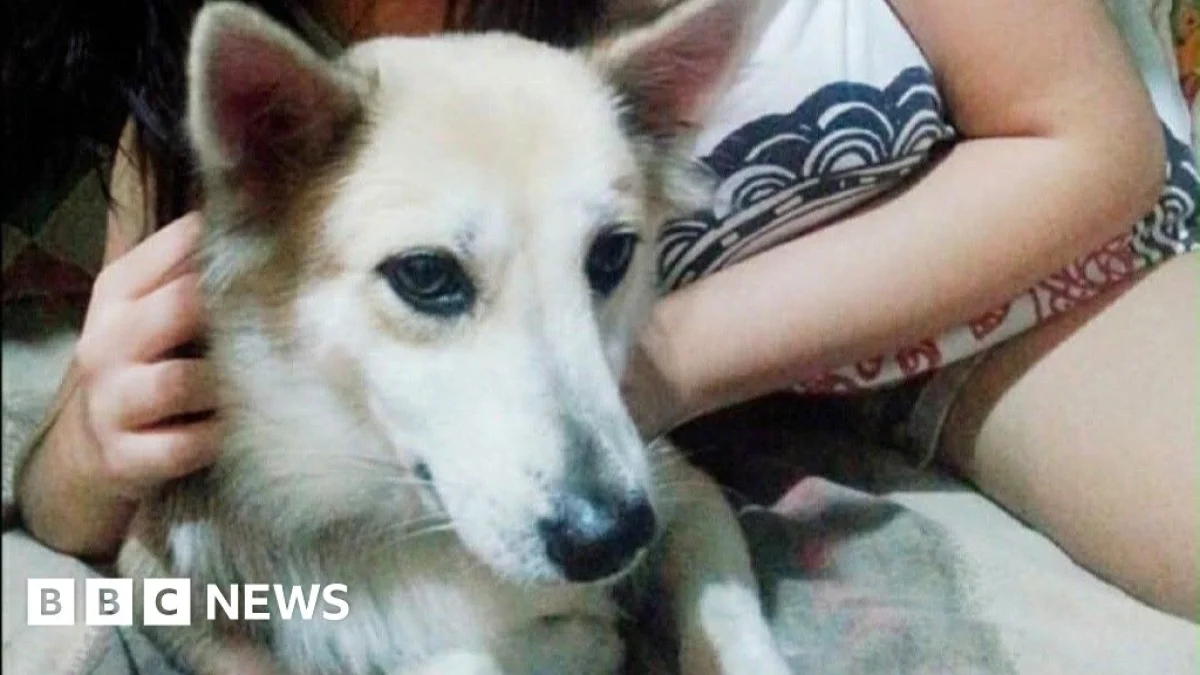
Animal rescuers in the Philippines say they have found the remains of about 170 pets at 15 dumping sites in Bulacan, near Manila, raising fears that some animals sent for cremation were discarded instead. The BBC reported that investigators have filed criminal complaints against four people in connection with the cases.
Chris and Geraldine Taylor, who run the rescue organisation Luna and Furry Siblings (LAFS), say the remains included Belgian Malinois, golden retrievers, pugs, puppies and cats. They were found beside service roads, in septic tanks and rivers, and buried in vacant lots.
The discoveries have left owners uncertain whether the ashes in urns they received were those of their pets. Some remains were found in plastic bags bearing names and weights. In one case, an owner who saw a livestream of a site wrote on Facebook that one of the animals might be theirs and attached a photograph of an Alsatian.
Chris, a former police officer, and his wife have run an animal rescue shelter from their home in San Jose del Monte, about 30km north-east of central Manila, for three years. On 30 October, he went to a local district office to report animal neglect. He was told an official had left to investigate a report of dumped animals nearby.
Chris had previously encountered 14 dumped dogs, which were later reburied. This time, he followed the official, photographed the remains, checked for microchips and posted video on Facebook. He asked people to report other possible dumping sites. Tips led LAFS, working with authorities, to 15 sites containing an estimated 170 animals. Some remains were bags of bones; others had liquefied, Chris said.
The organisation’s videos have received more than 30 million views. Owners have asked Chris to check bodies for identifying marks, and some have recognised their pets. On the first night of the investigation, all 25 bodies found at that site were returned to their owners.
As owners came forward, many said they had used the same cremation business, “Ahjay Paws”, in Bacoor, a city near Manila. Chris posted a message asking customers of the company to contact him, prompting a flood of responses.
Pet ownership has grown in the Philippines since the Covid-19 pandemic. A 2021 study found the country had the highest rate of dog ownership in the Asia-Pacific region. Another study put annual growth in the pet dog population at 4.7%, with the total exceeding 21 million in 2025.
Anna Cabrera, director of the Philippine Animal Welfare Society (Paws), said pet cremation had become more common alongside growth in the pet industry. Some services hold wakes, giving owners a final chance to see their pets before cremation.
Revecca Calling, who lives in Cavite, south of Bulacan, said she paid “Ahjay Paws” 8,500 Philippine pesos (£100; $133) to cremate her dog Olaf in January. The fee was based on the animal’s weight and included a 30-minute viewing. Calling said the company told her it could not record the cremation because doing so might endanger staff. It took Olaf’s body and returned a small urn several days later, which the company said contained his ashes.
Nine months later, after hearing that animal bodies had been found dumped, Calling said she was devastated. She said pet owners entrusted cremation businesses with the remains of a family member and needed to know what had happened.
Earlier this month, the Philippines’ National Bureau of Investigation (NBI) filed criminal complaints against four people over the dumped pets. Those named include the owner of “Ahjay Paws” and two people who ran “Pet HPHT Crematory” in Bulacan.
The NBI said “Ahjay Paws” had initially arranged to acquire a cremation machine from “Pet HPHT”. When the machine did not arrive, “Ahjay Paws” sent remains to “Pet HPHT” instead. The NBI said that when the volume became too much for “Pet HPHT” to handle, the company paid a third party to bury the remains.
Investigators are considering whether the dumping resulted from logistical failures or whether customers paid for cremations that did not take place. The NBI is also investigating possible estafa, a form of deception under Philippine law in which a person knowingly misleads a victim to defraud them financially.
Two weeks ago, the owner of “Ahjay Paws” denied responsibility for the dumping in San Jose del Monte, according to local media. The company appears to have stopped operating, and the BBC said it had been unable to contact it. The BBC also sought a response from “Pet HPHT”. The company said on Facebook that the allegations were “completely false and have no basis”.
Emelia Legada said she paid “Ahjay Paws” 10,000 Philippine pesos (£120; $160) to cremate her dog Harvey six months ago. She said she wanted to confirm that Harvey had been cremated properly and that the ashes she received were his.
A veterinarian in nearby Quezon City has begun offering free forensic testing of ashes. Other crematoriums have offered to cremate pets again, free of charge, for owners whose animals were found among the remains. Paws is providing legal services to help owners file complaints and has received more than 150 requests. The organisation has also called for a nationwide audit of pet cremation businesses.
On 2 November, Percival Vilar Cendaña of the progressive Akbayan Party spoke about the scandal on national television. He told the Bilyonaryo news channel that the incidents were not isolated and alleged that a syndicate was carrying out widespread operations. Neither the police nor the NBI has confirmed that the dumpings were the work of a syndicate or were widespread.
Cendaña said those who deceived pet owners should be jailed. At least three people have surrendered to the NBI and been charged with violations of the city’s Code of Sanitation, the Ecological Solid Waste Management Act and the Sanitation Code of the Philippines.
Cabrera said the country’s animal-cruelty law does not cover how animals’ remains are treated after death. The case has prompted calls for legal changes. Cendaña and other lawmakers are pushing for a national commission on animal welfare to protect animals’ dignity in life and death. Paws plans to seek “moral and exemplary” damages for affected owners.
A woman whose dog was suspected to be among the dumped animals told the BBC she was too distressed to speak. She said she had not slept for three days because of crying.
Chris said he had been losing sleep while taking calls from grieving owners who had watched his videos. He said hundreds of people had called him in tears, and that in some cases he had to tell them their pets could no longer be identified.
Chris is calling for stricter enforcement of existing rules as well as new laws. He said he wanted to know how he had uncovered so much in a fortnight and why people told him they did not trust police to take their concerns seriously.
The BBC said it contacted the Philippine National Police (PNP) for comment but received no response. Earlier this month, PNP chief Jose Melencio Nartatez Jr said authorities were determined to hold accountable those who allegedly exploited grieving pet owners, according to ABS-CBN. Nartatez said fraud was measured not only by the money taken but also by the harm caused when people’s trust was betrayed.