 OMM Redaksiyası

Several important elections will be held in September and November 2026. From elections to Russia’s State Duma and regional votes in Germany to the US midterm elections, these processes could influence the political future of the countries involved.
Russia: State Duma and regional elections
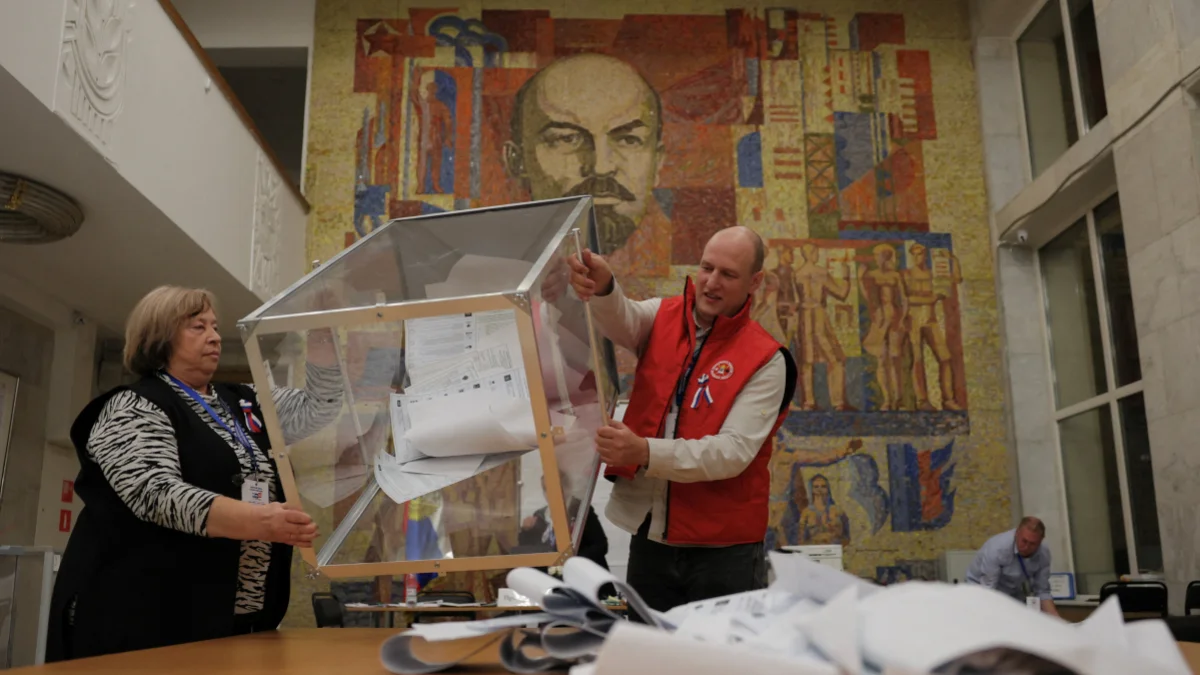
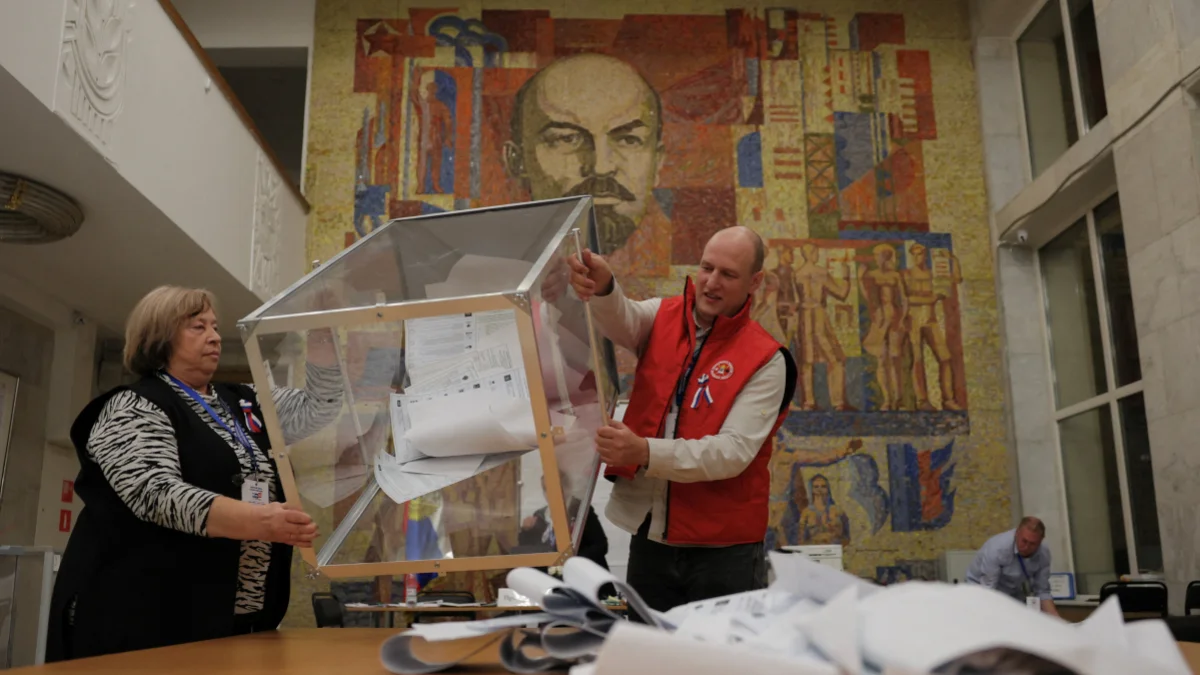
Parliamentary elections in Russia will be held over three days from Sept. 18 to 20. Voters will elect all 450 members of the State Duma. Half of the seats will be allocated through party lists, while the other half will be contested in single-member districts.
A total of 11 parties are contesting the nationwide party-list vote. On Aug. 10, the federal list of Russia’s liberal opposition party Yabloko was removed from the ballot by a Supreme Court ruling. The court cancelled Yabloko’s registration following a lawsuit filed by the Rodina party. The decision was upheld on appeal, and the Central Election Commission removed the party’s federal list from the election.
However, Yabloko candidates are still allowed to run individually in single-member districts. About 111 million voters are eligible to cast ballots. Electronic voting is also available in some parts of the country. President Vladimir Putin cast his ballot electronically on Friday.
As part of the elections, governors will be elected in 11 regions and legislative assemblies in 39 regions. This is the first parliamentary election in Russia since it launched its full-scale military operation against Ukraine in 2022. The vote has been criticized because it is also being organized in Ukrainian territories that Russia claims to have annexed. Ukraine and other governments do not recognize the legitimacy of Russian elections held in those territories.
Germany: Regional elections in Berlin and Mecklenburg-Vorpommern
Regional elections will be held in Berlin and Mecklenburg-Vorpommern on Sept. 20. Berliners will elect the House of Representatives, while voters in Mecklenburg-Vorpommern will elect the state parliament.
In Mecklenburg-Vorpommern, the campaign’s central issue is the close race between the governing Social Democratic Party (SPD) and the Alternative for Germany (AfD). According to an NDR poll published in early September, the SPD had 32% support, three percentage points ahead of the AfD. The CDU could face one of the weakest results in its history.
The CDU is also facing a tense contest in Berlin. Governing Mayor Kai Wegner withdrew as the party’s lead candidate following political pressure. City Finance Senator Stefan Evers became the CDU’s lead candidate, while Wegner will continue serving as governing mayor until the end of his term.
The elections are taking place as Chancellor and CDU leader Friedrich Merz faces pressure after the party’s poor result in the Saxony-Anhalt elections. The results in the two states could affect the balance of power within Germany’s governing conservative party.
United States: Midterm elections
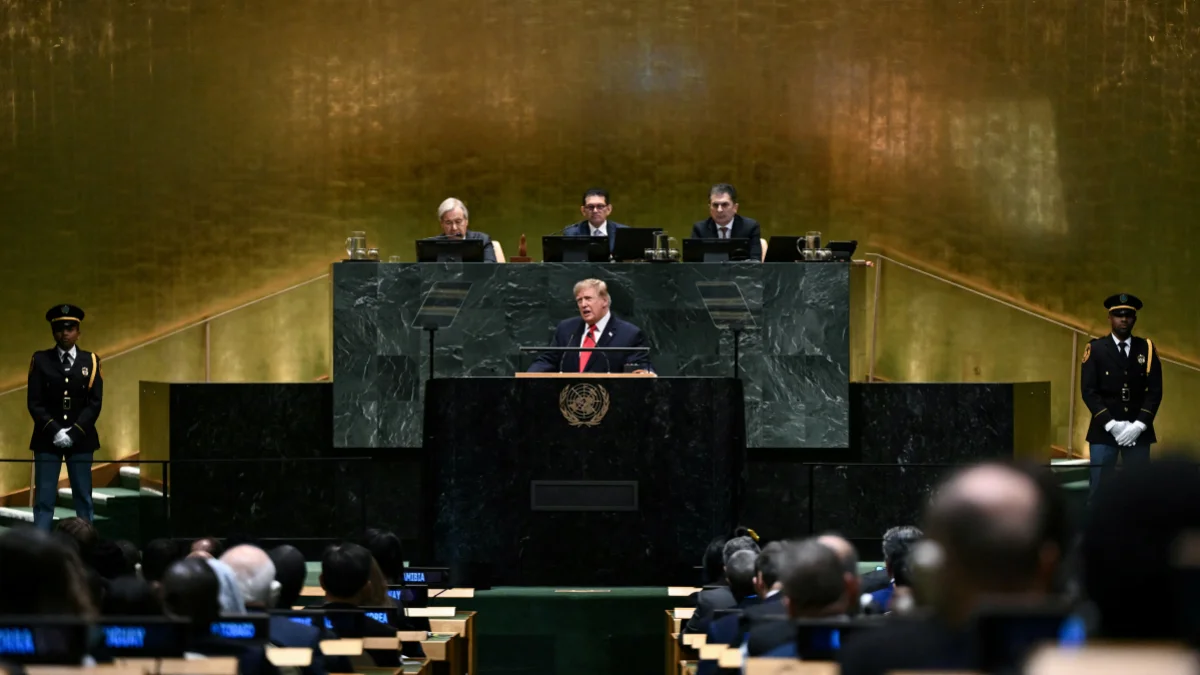
Federal midterm elections in the United States will be held on Nov. 3, 2026. The vote will determine all 435 seats in the House of Representatives, as well as the Senate seats up for election during the 2026 election cycle.
Midterm elections take place halfway through a president’s term. The process also includes elections for governors and state legislatures in several states. The campaign is expected to focus on the cost of living, immigration, voting and election administration, artificial intelligence, foreign policy and redistricting.
Rules for early and mail-in voting vary from state to state. As a result, voting schedules are not the same across the country. Nov. 3 is the next scheduled federal general election date approved by the US Federal Election Commission.
Sweden: Talks on forming a government
Sweden’s parliamentary elections have already been held. According to the final results, the center-left opposition won 176 seats in the 349-member Riksdag. The governing right-wing bloc secured 173 seats.
Prime Minister Ulf Kristersson resigned after the result. Social Democratic leader Magdalena Andersson has begun talks to form a government.
The narrow result does not automatically determine the composition of the next government. The Centre Party has said it will not join a government that includes the Left Party. This position creates an obstacle for Andersson in coalition negotiations.
The Sweden Democrats also suffered their first decline in vote share since 2010. The party’s result was approximately three percentage points lower than in the previous election.