 OMM Redaksiyası

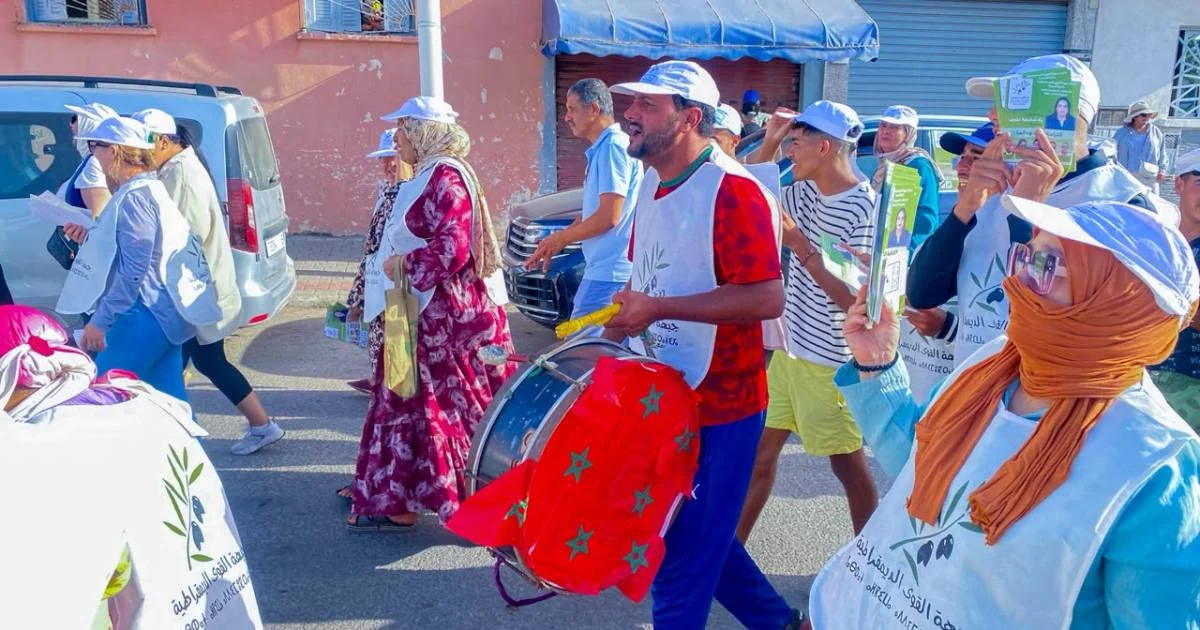
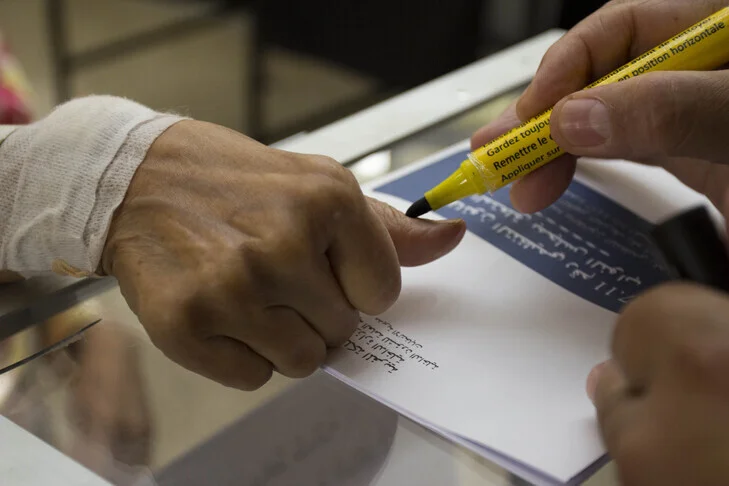
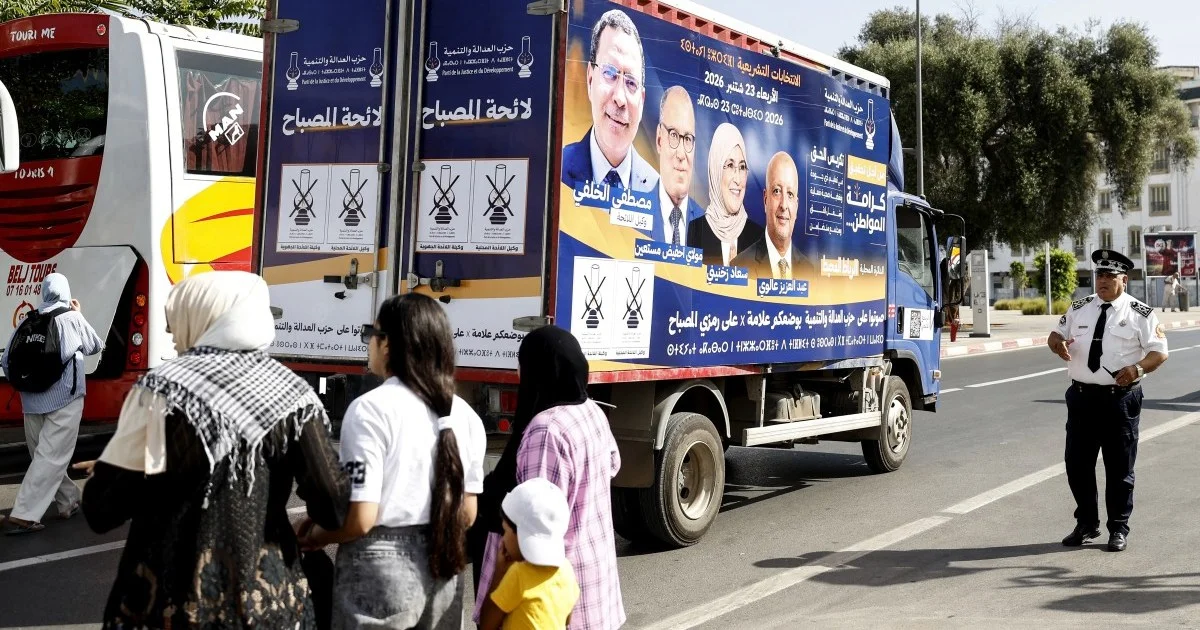
Morocco’s parliamentary election has been shaped by concerns over unemployment and migration, the popularity of football and divisions over diplomatic relations with Israel. Voters are choosing among candidates from 27 parties competing for seats in the 395-member House of Representatives.
The election will determine the make-up of the next government, although executive power remains closely linked to the monarchy. King Mohammed VI appoints the prime minister from the party that wins the largest number of seats and chairs the Council of Ministers, the country’s main policy-making body.
Youth unemployment and the Ceuta migration surge
Young voters have been targeted with promises of jobs and social reform, but many say politics remains disconnected from their daily lives. The campaign follows Gen Z protests in September 2025 over unemployment, healthcare and the cost of living. More than 2,400 people faced prosecution after the unrest.
The vote also comes weeks after about 60,000 people, including Moroccans and other nationalities, crossed from Morocco to the Spanish enclave of Ceuta in late July. At least 100 people died in the largest migration surge to the enclave in recent history.
Hamza El Kharroubi, a 29-year-old activist who was briefly arrested during the protests, is running for parliament with the Environment and Sustainable Development Party. He says young politicians should enter parliament now to build a stronger political presence by 2031.
The International Monetary Fund estimates that Morocco’s overall unemployment rate stood at 13% last year, while unemployment among people aged 15 to 24 reached 37.3%.
Football star fuels campaign attention
Fouzi Lekjaa, head of the Royal Moroccan Football Federation and a senior finance ministry official, has become one of the campaign’s most prominent figures. He joined the centrist Party of Authenticity and Modernity in July.
Lekjaa is credited with helping Morocco’s national team, known as the Atlas Lions, reach the 2022 World Cup semi-finals — the first time an Arab or African side had achieved that feat. Videos from his rallies have gone viral, with supporters chanting “Sir”, meaning “Go” in Moroccan Arabic, a slogan associated with Morocco’s historic World Cup run.
He has pledged to make Morocco rank sixth in the world for education and healthcare, matching the country’s men’s football ranking. Meanwhile, the National Rally of Independents, led by Prime Minister Aziz Akhannouch, is seeking a second term and has renewed its promise to create one million job opportunities by 2031.
Political analyst Rachid Aourraz of the Moroccan Institute for Policy Analysis said the jobs pledge had become an “overused electoral slogan”. He added that the major parties were not offering fundamentally different models, but were competing over how to implement policies set by the royal vision.
Israel ties become an election issue
The Islamist Justice and Development Party is seeking a political comeback by campaigning against Morocco’s diplomatic relations with Israel. Morocco normalised ties with Israel in December 2020 under the US-brokered Abraham Accords.
Former Prime Minister Abdelilah Benkirane, who leads the party, has called the normalisation a “mistake” made by his party when it was in government between 2016 and 2021. He has promised to end diplomatic relations with Israel if his party returns to power.
Relations were strained during the Gaza war, when weekly pro-Palestinian protests were held in Rabat. Israel’s liaison office was closed and direct flights between the two countries were suspended. Earlier this month, however, the two countries announced plans to open full embassies following a meeting between their foreign ministers and the US ambassador to the United Nations.
More than half of Morocco’s population of about 38.8 million is under the age of 35, but only 4% of the more than 15.8 million registered voters are aged between 18 and 24. According to the BBC, some young Moroccans remain disengaged from the campaign, while others are seeking change through political participation and community activism.
Environmental activist Siham Azeroual said she planned to vote despite not being convinced by any campaign. She argued that young people should focus on building local communities and connections before seeking national political office.