OMM Redaksiyası

Saudi Arabia, Türkiye and Pakistan will hold an emergency high-level meeting under a joint defense agreement to discuss ways to support the kingdom amid attacks by Yemen’s Houthis.
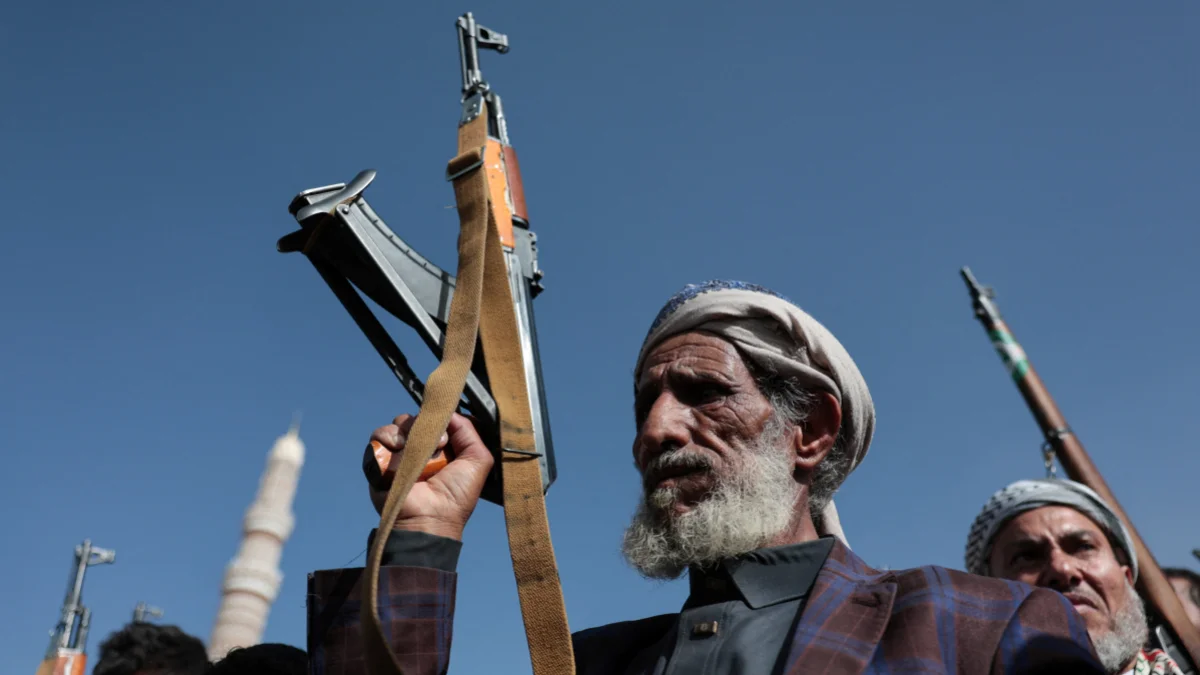
The Houthis said on Thursday that they had launched dozens of missiles and unmanned aerial vehicles at targets in Saudi Arabia. Saudi authorities said they had intercepted six ballistic missiles fired by the Houthis.
Geography of attacks expands
Saudi Arabia had earlier issued emergency warnings for several areas, including Mecca, Jeddah and Yanbu, the country’s main oil port on the Red Sea coast.
The country’s highest religious body called on the military to be prepared to confront the Houthis. A statement carried by the Saudi state news agency stressed the need to continue the fight until the group is removed from power.
Saudi Arabia’s foreign minister met with his counterparts from Pakistan and Türkiye under the Mecca Joint Defense Agreement. According to the Saudi Ministry of Foreign Affairs, the parties condemned attacks on Mecca and other civilian facilities and reaffirmed the kingdom’s right to defend itself.
Iran outlines position on Houthis
The meeting took place shortly after Iranian President Masoud Pezeshkian made remarks distancing himself from the Houthis. In an interview with Fox News’ “Special Report with Bret Baier,” he said the Houthis were responsible for their own actions.
Iranian Foreign Minister Abbas Araghchi said Tehran had sent a proposal to the United States through intermediaries. Under the proposal, the Strait of Hormuz would be reopened and military operations on all fronts, including in Lebanon, would be halted within seven days if the conditions were met.
According to Araghchi, in return, the United States would have to lift its blockade of Iranian ports, release frozen funds and cancel oil sanctions. He said the Strait of Hormuz would be opened on the final day of the agreement, after which negotiations would begin on other issues, including Iran’s nuclear program.
Impact on oil and shipping flows
The activities of Iran and its allies have placed significant pressure on Saudi Arabia’s oil exports. The Houthis have disrupted shipping at the entrance to the Red Sea, while Iran has restricted tanker traffic in the Strait of Hormuz, through which about 20% of global oil exports passed before the war began.
An attack by Iran-backed armed groups in Iraq also temporarily halted operations on Saudi Arabia’s East-West oil pipeline. Satellite images showed repair work on the pipeline and activity on an alternative line after the attack.
The United States has expanded the scope of sanctions against Iran. Washington has also begun targeting companies in third countries that cooperate with Iranian firms. Following the new sanctions, Iranian airlines were banned from flying to neighboring countries, including the United Arab Emirates and Oman.
A continued flight ban could deepen Iran’s isolation and worsen the country’s economic crisis.