 OMM Redaksiyası

Germany’s Central Council of Jews has opposed the formation of a Left Party-led government in Berlin, citing concerns over the party’s support for pro-Palestinian demonstrations and alleged antisemitic remarks.
Central Council President Josef Schuster urged other parties not to begin coalition talks with the socialist election winner, according to the report. He accused the Left Party of repeatedly crossing the line with antisemitic statements, allegations party officials have firmly denied.
Joining a government led by the Left Party would promote the “ongoing normalization of hatred against Jews,” Schuster said.
Left Party rejects antisemitism allegations
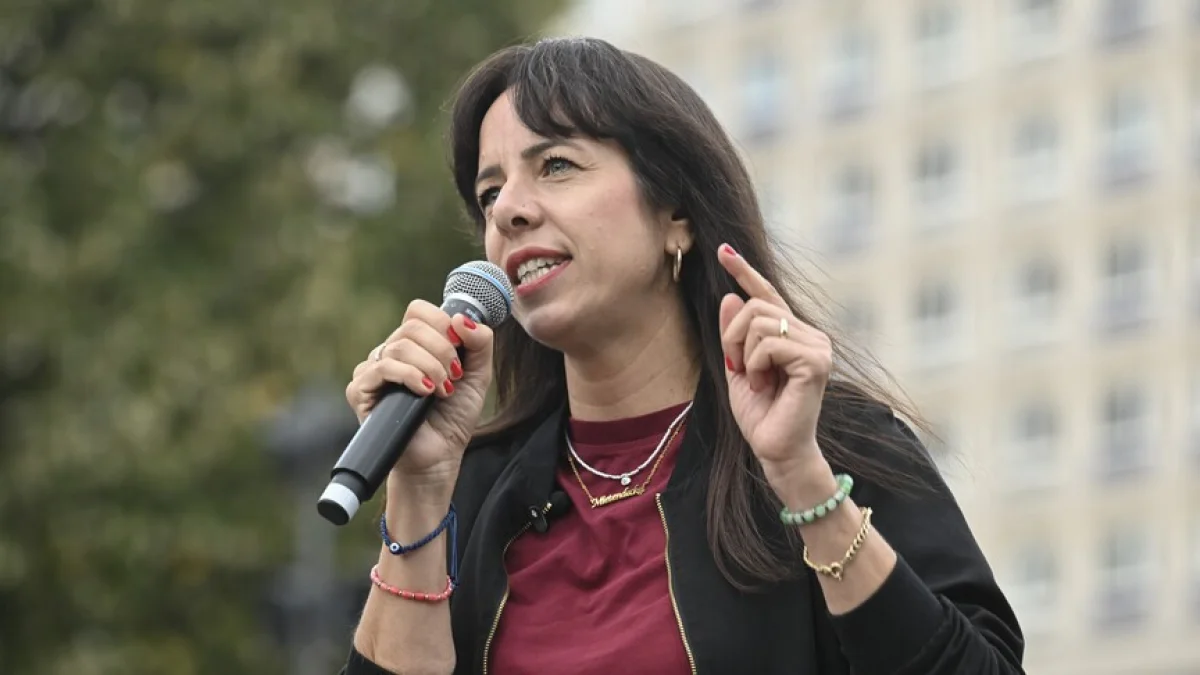
Left Party lead candidate Elif Eralp expressed support during the campaign for Berlin’s Palestinian community and sharply condemned alleged war crimes in Gaza by the government of Israeli Prime Minister Benjamin Netanyahu.
Eralp also pledged that a Left Party-led state government would end what she described as repressive police measures against peaceful pro-Palestinian protests in the German capital.
Responding to the accusations, Eralp said party leaders had distanced themselves from a small number of isolated incidents. She said the Left Party opposed all forms of racism and pointed to her involvement in projects combating antisemitism.
“It is absolutely clear that we stand for the protection of Jewish life,” Eralp said during a recent television debate. “Just as we stand for the protection of Muslim and Palestinian life.”
Left Party faces coalition talks after projected win
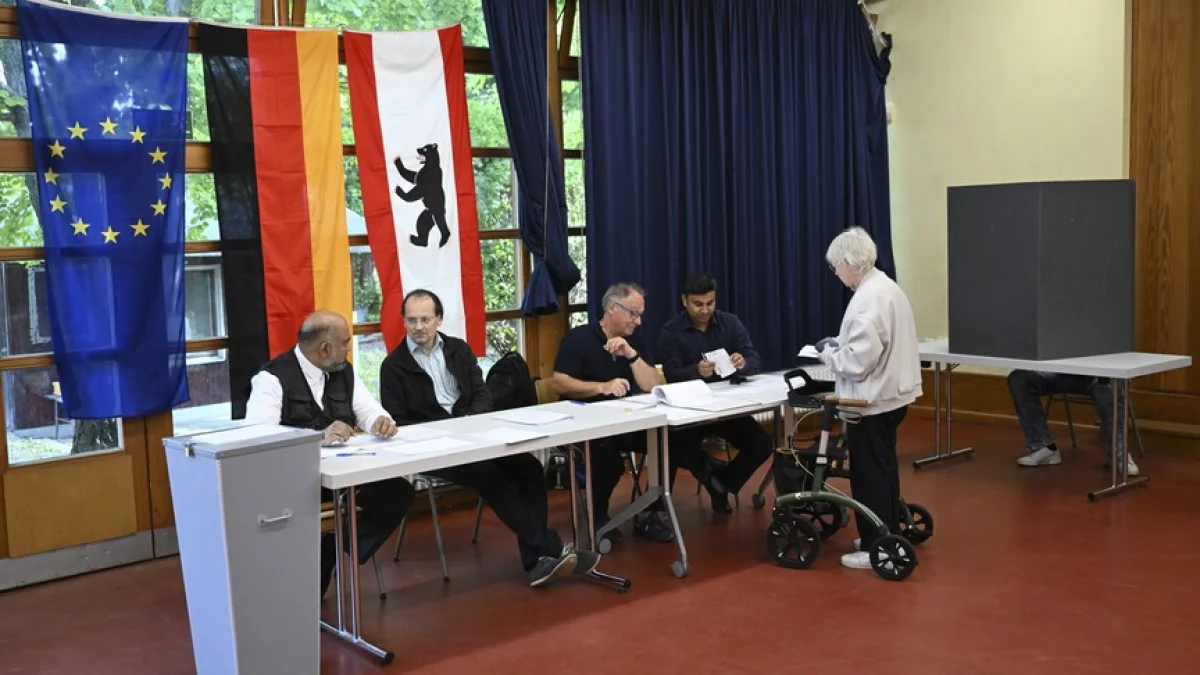
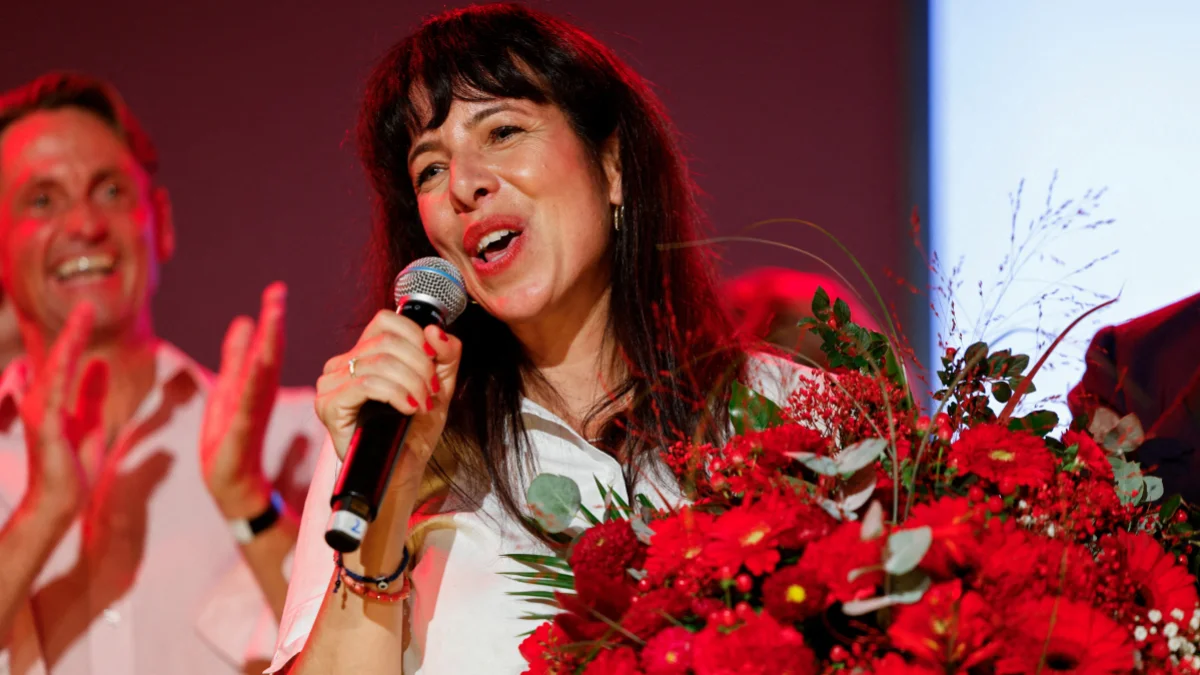
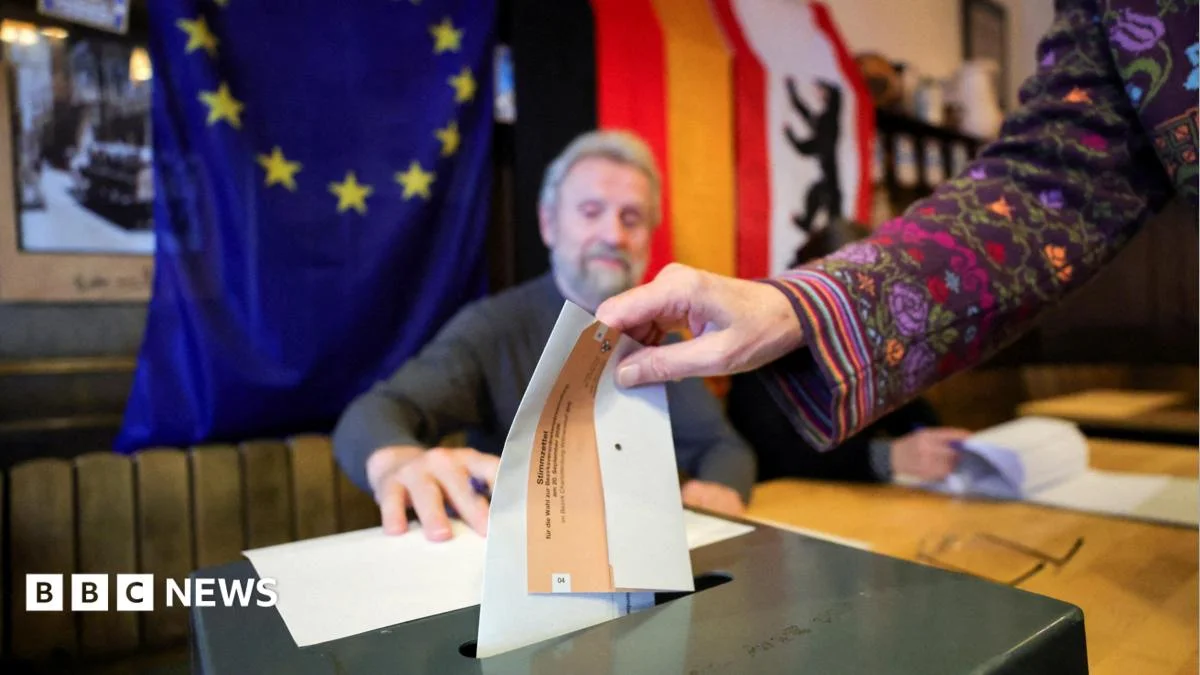
Germany’s socialist Left Party appeared on course for a historic first-place finish in Berlin’s state election on Sunday. Eralp said the result could make her the capital’s first governing mayor from a migrant background.
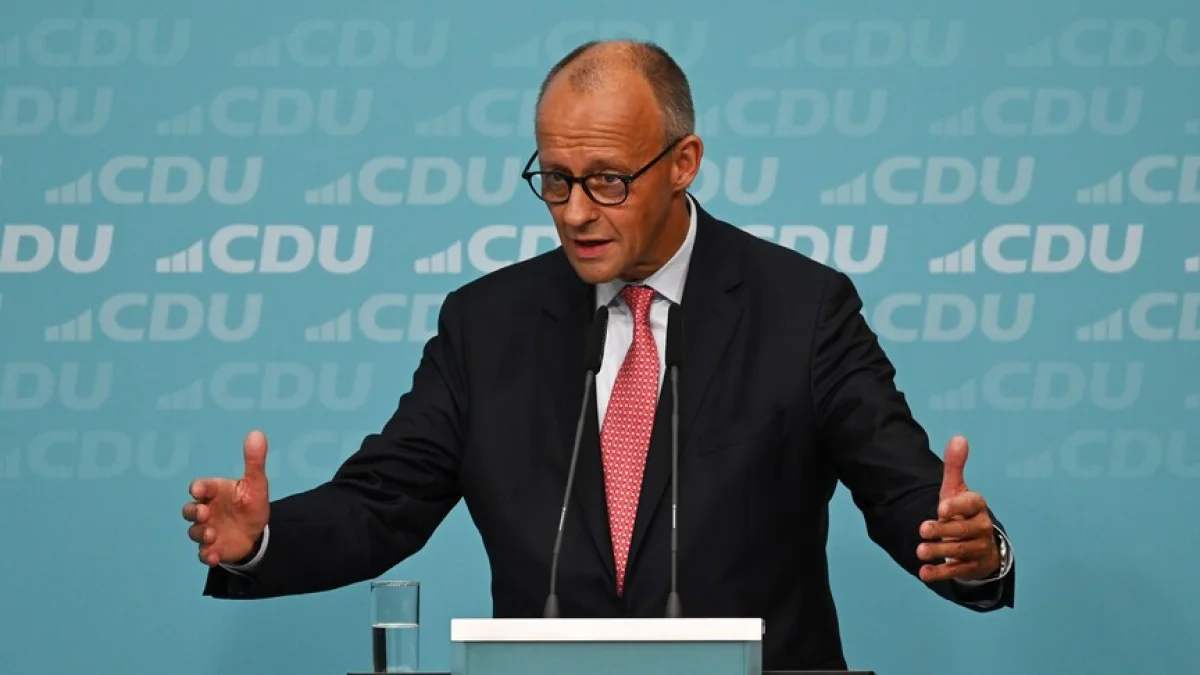
The latest projection by German public broadcaster ARD placed the Left Party at 25.3%, more than double its 12.2% result in the 2023 election. Chancellor Friedrich Merz’s conservative CDU was projected to win 19%.
The anti-immigrant Alternative for Germany was on 16.3%, followed by the Greens on 14.4% and the Social Democratic Party on 12.1%.
Despite its lead, the Left Party remained well short of an absolute majority and would need at least two coalition partners. Following a campaign that called for a change of course and rejected CDU policies, a three-party alliance with the SPD and the Greens appeared to be the most viable option.
Coalition calculations remained uncertain ahead of the preliminary official results. The outcome could be affected by whether the left-populist Sahra Wagenknecht Alliance, or BSW, crosses the 5% threshold needed to enter the state parliament. The latest projection put the party at 4.8%.
If the Left Party fails to reach an agreement with the SPD and the Greens, the second-place CDU could seek to form a coalition with the same two parties. Such an alliance would have enough seats if the BSW fails to enter the Berlin state parliament.