OMM Redaksiyası

Germany’s far-right Alternative for Germany (AfD) party finished first in Sunday’s election in the northeastern state of Mecklenburg-Western Pomerania.
According to preliminary results broadcast by ARD, the AfD won 38.3% of the vote. The center-left Social Democratic Party (SPD) came second with 35.4%.
The conservatives led by Chancellor Friedrich Merz received 4.9% of the vote. That is below the 5% threshold required to enter the state parliament, meaning the party may be excluded from the legislature.
Merz calls result a “disaster”
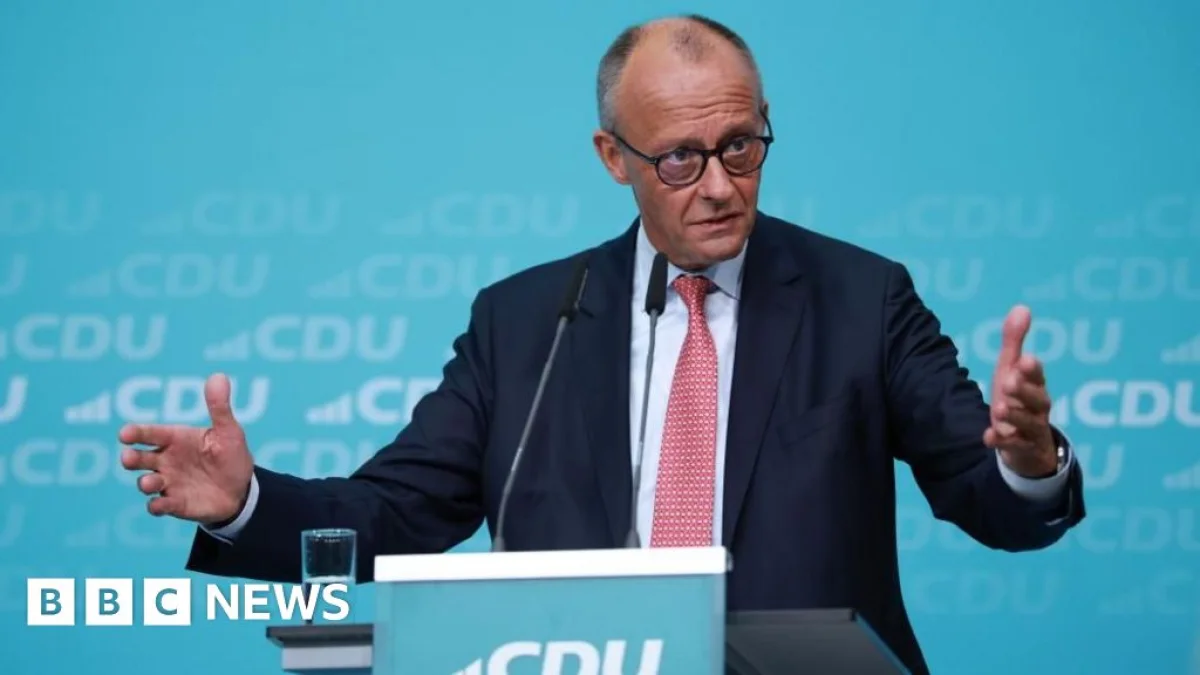
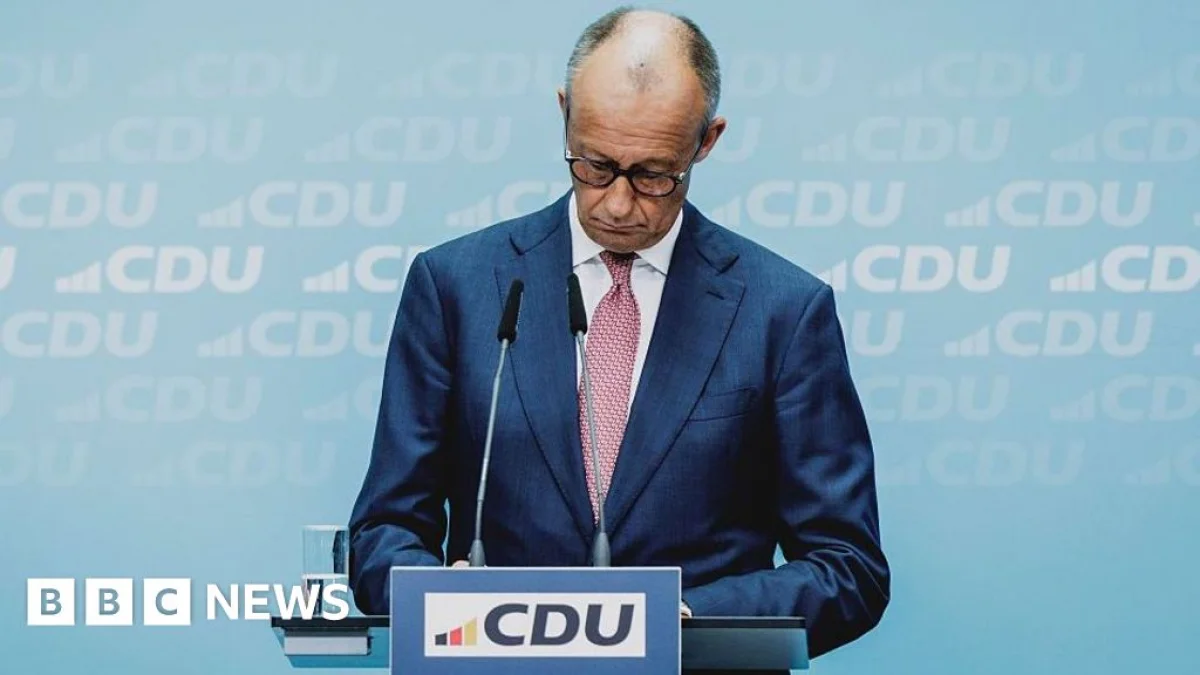
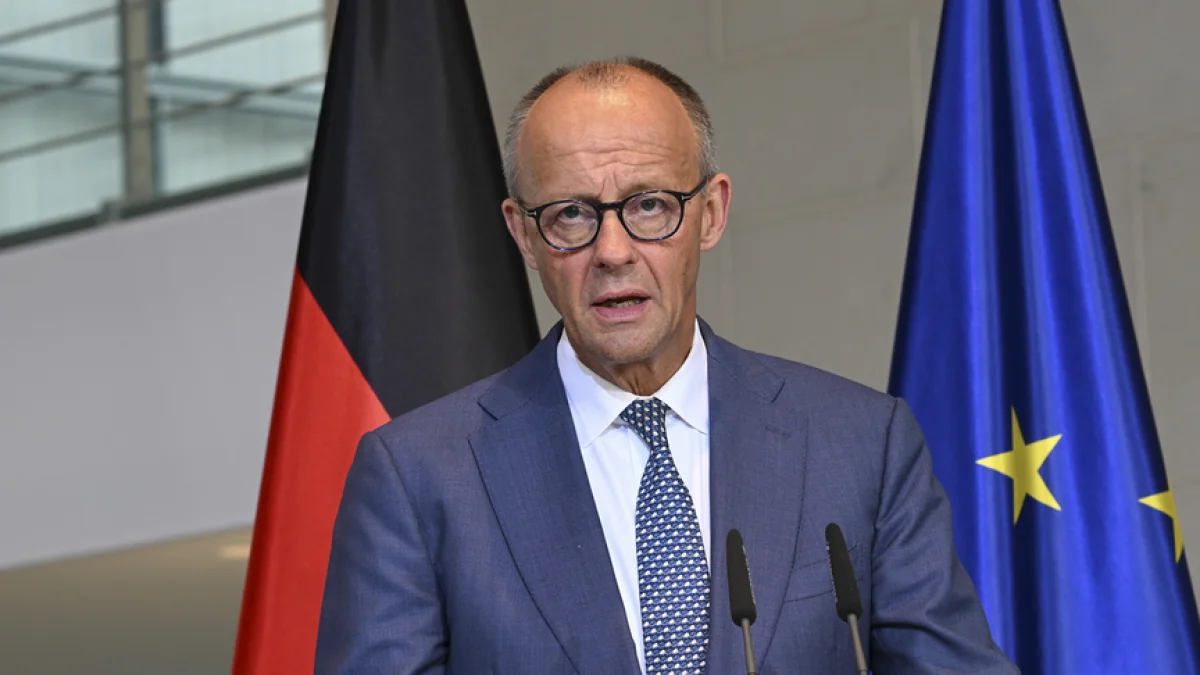
After the exit poll results were released, Merz called the election outcome a “disaster.” He nevertheless said he would remain chancellor and seek to implement his reform agenda.
Before the election, there had been speculation that a weak result could force Merz to resign. The AfD’s victory marked the party’s second first-place finish at state level this month.
Left-wing party leads in Berlin election
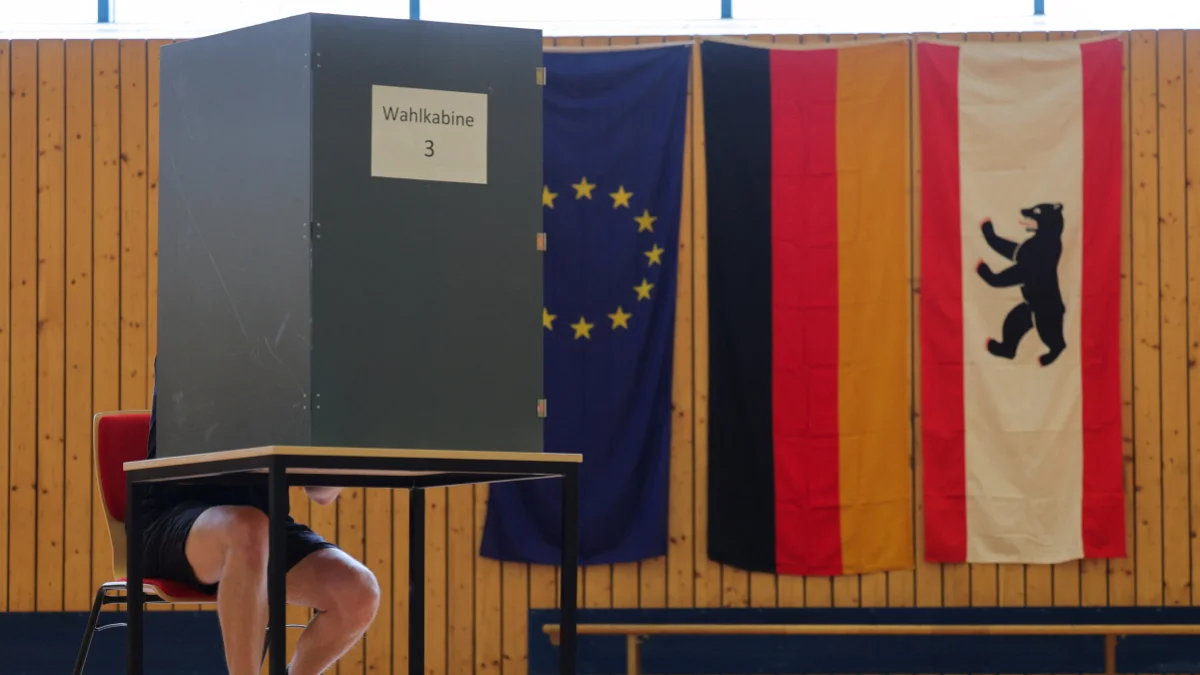
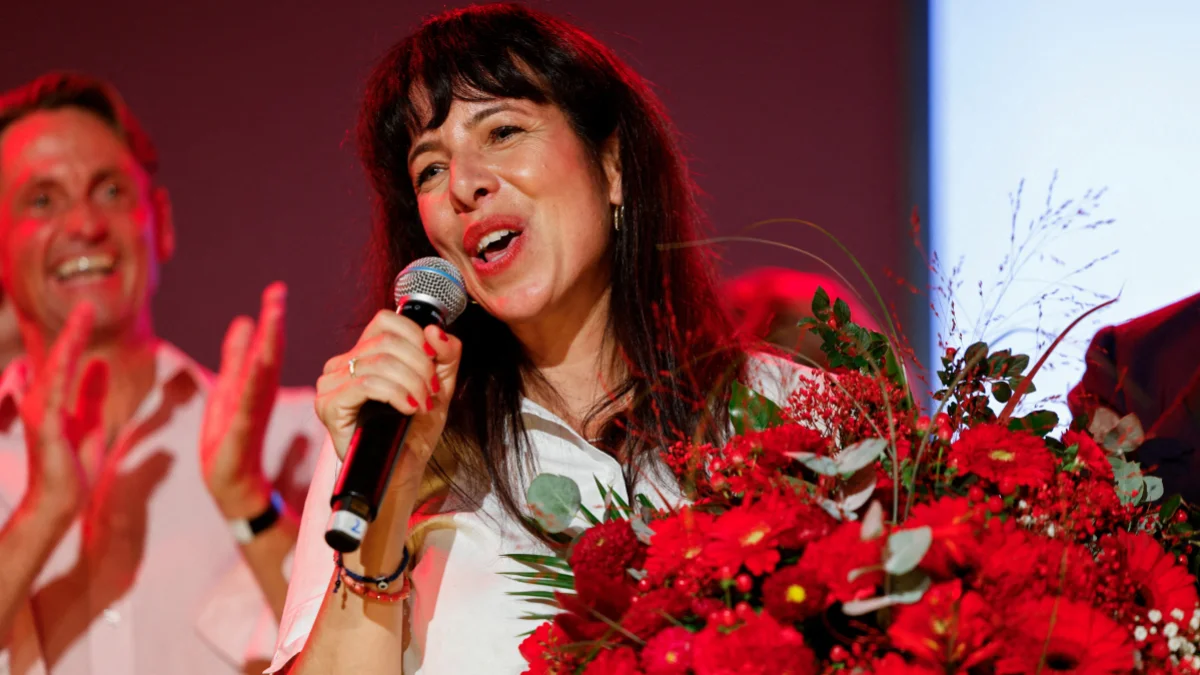
Voting also took place in the German capital Berlin on Sunday. According to preliminary results, the Die Linke party came first with 25.3% of the vote. Merz’s conservatives, who are currently in a coalition government with the Social Democrats, won 19%.
The AfD also strengthened its position in Berlin, receiving 16.3% of the vote. This was the first time Die Linke had finished first in an election in Berlin. The party has proposed nationalizing apartments owned by corporate landlords and imposing limits on rents.
Cost of living concerns voters
Merz, who came to power last year promising to return Germany’s economy to a growth trajectory, is struggling to win voter support. Communication errors and unpopular reforms in pensions, taxation and healthcare have increased dissatisfaction with the government.
Rising energy and housing costs were the main campaign issues in the Mecklenburg-Western Pomerania and Berlin elections. On Friday, Merz presented a consumer support package that also includes tax relief on gas and diesel fuel.
Some voters in Mecklenburg-Western Pomerania said the cost of living was their main concern. Charlotta Haik, a voter in Schwerin, told Reuters that it was difficult to afford many things in the city on current wages.