OMM Newsroom
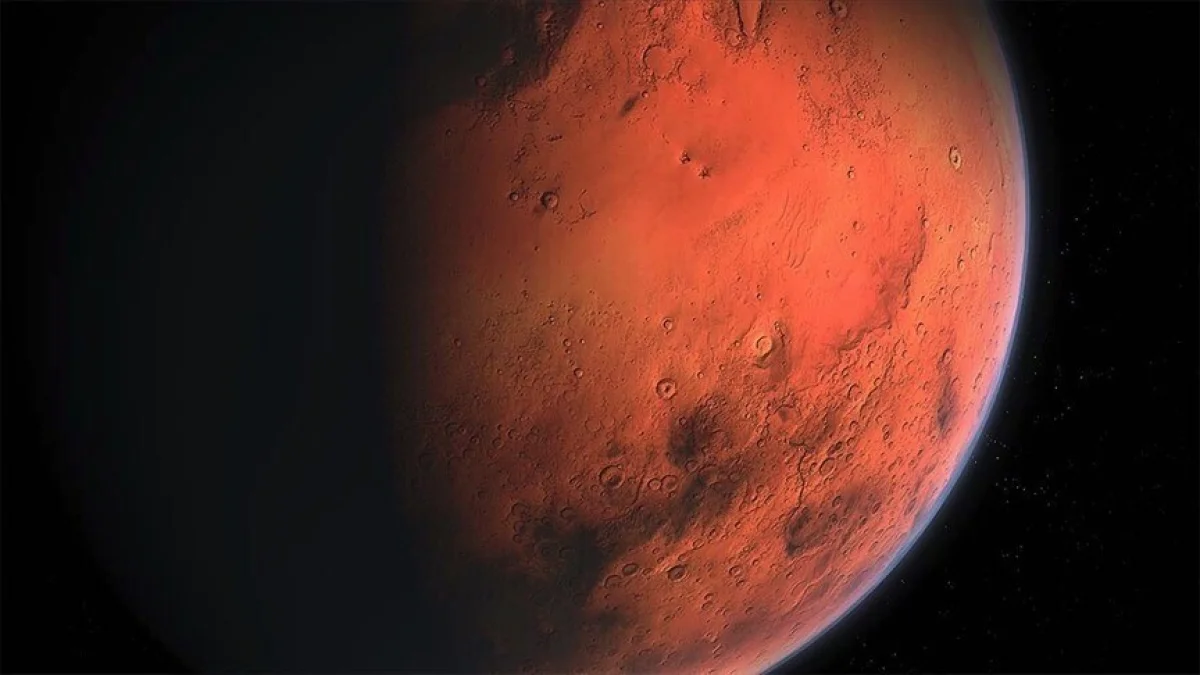
Researchers at China’s Deep Space Exploration Laboratory have built a prototype designed to produce oxygen from Mars’s thin, toxic atmosphere, with the broader aim of supporting breathable air and rocket fuel production, Anadolu Agency reported, citing the South China Morning Post on Sunday.
In laboratory tests, the prototype split more than half of the carbon dioxide supplied to it, exceeding the roughly 50% limit of conventional methods, according to the researchers.
NASA’s “Perseverance” rover instrument “MOXIE” heats Martian air to about 800°C (1,470°F). The Chinese device, by contrast, operates at room temperature.
The reaction chamber is roughly the size of a golf ball, measuring just under 5 centimetres (about 2 inches) across. A specially shaped ceramic window directs microwaves into the narrow chamber.
The researchers described the work as a “key technical step” towards future Mars life-support systems and as being of “strategic significance” for deep-space exploration. They said further work is needed to measure the device’s full output and power rates, test it with simulated Martian gas, pair it with solar power and build equipment to collect oxygen.
Carbon dioxide accounts for about 95% of Mars’s thin atmosphere. Each astronaut needs roughly 0.8 to 1 kilogram of oxygen a day for basic life support.
Avoiding extreme heat can save power and reduce thermal stress and dust-related wear on hardware.