OMM Redaksiyası

Candidates elected to Bosnia and Herzegovina’s three-member Presidency have declared victory. Preliminary unofficial results show Denis Bećirović elected as the Bosniak member, Darijana Filipović as the Croat member and Željka Cvijanović as the Serb member.
More than 90% of votes have been counted, according to preliminary results released by the Central Election Commission (CIK).
Bećirović elected Bosniak member
In the race for the Bosniak seat on the Presidency, Bećirović won 38.11% of the vote. Bakir Izetbegović received 33.95%, Semir Efendić 25.79% and Fahrudin Radončić 2.15%.
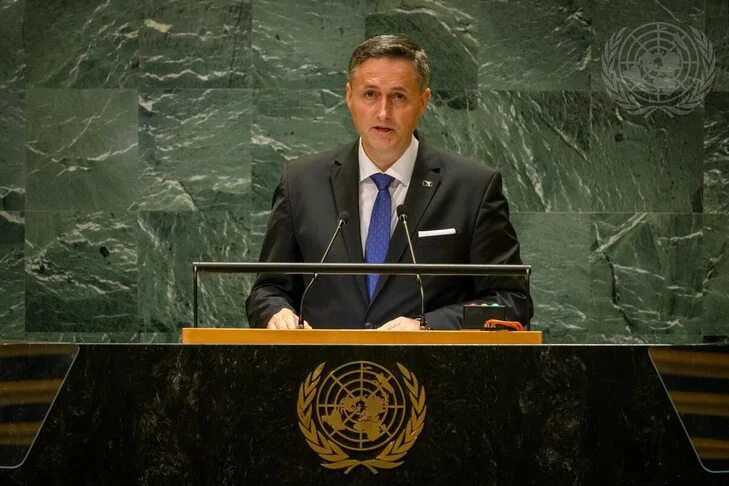
Bećirović, the Social Democratic Party (SDP) candidate backed by 14 political parties, thanked voters for their support. After declaring victory, he said: “A free, anti-fascist and civic Bosnia and Herzegovina lives on.”
Bećirović said the country should maintain its current foreign policy course and continue advancing toward integration with the European Union and NATO. Saying that he would not celebrate his victory given the difficult living conditions faced by many citizens, he described the campaign as the longest and hardest election race he had experienced.
Democratic Action Party (SDA) leader Izetbegović conceded defeat. While acknowledging that he had failed to secure a seat on the Presidency, he said his party had improved its result compared with the 2022 elections. “The main thing is that the SDA has won,” Izetbegović said, adding that his personal result had fallen short of the party’s overall performance and required further analysis.
Efendić said after the election that the main priority would be forming a more effective government and urged people to wait for the final results. He added that, in potential coalition talks, the Bosnia and Herzegovina Party was closer to opposition parties.
Results for Filipović and Cvijanović
Darijana Filipović, candidate of the Croatian Democratic Union of Bosnia and Herzegovina (HDZ BiH), was elected as the Croat member of the Presidency. She received 48.19% of the vote. Slaven Kovačević, candidate of the Democratic Front (DF), won 28.79%, while independent candidate Zdenko Lučić received 23.02%.
After the preliminary results were announced, Filipović congratulated the other members of the Presidency. She said she hoped cooperation over the next four years would show that Bosnia and Herzegovina’s institutions could function effectively. Calling the country her homeland, Filipović said she was proud both of the election result and the campaign.
Željka Cvijanović, candidate of the Alliance of Independent Social Democrats (SNSD), led by Milorad Dodik, won the seat of Serb member of the Presidency. Representing Dodik’s party, whose leader has been removed from office as Republika Srpska (RS) president, Cvijanović received 55.33% of the vote. Marinko Božović, candidate of the Serb Democratic Party, won 26.55%, while Nebojša Vukanović of the Justice and Order Party received 18.11%.
Cvijanović thanked voters and party activists, saying the victory belonged to the SNSD under Dodik’s leadership. “Our policy is a stable and strong Republika Srpska,” she said.
SNSD candidate Savo Minić won the race for Republika Srpska president with 52.04% of the vote.
Parliamentary elections and voter turnout
In elections to the House of Representatives of the Parliamentary Assembly of Bosnia and Herzegovina, the SDA led in the Federation with 31.57% of the vote. In Republika Srpska, the SNSD won the parliamentary election with 40.94%.
Voters in the self-governing Brčko District cast ballots to elect representatives to local governing bodies. Alongside the state-level Presidency and parliamentary elections, polls were also held for the parliaments of the Federation and Republika Srpska, as well as the assemblies of the Federation’s 10 cantons.
Voters in the Federation elected the Bosniak and Croat members of the Presidency, while voters living in Republika Srpska chose the Serb member.
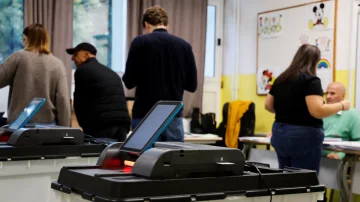
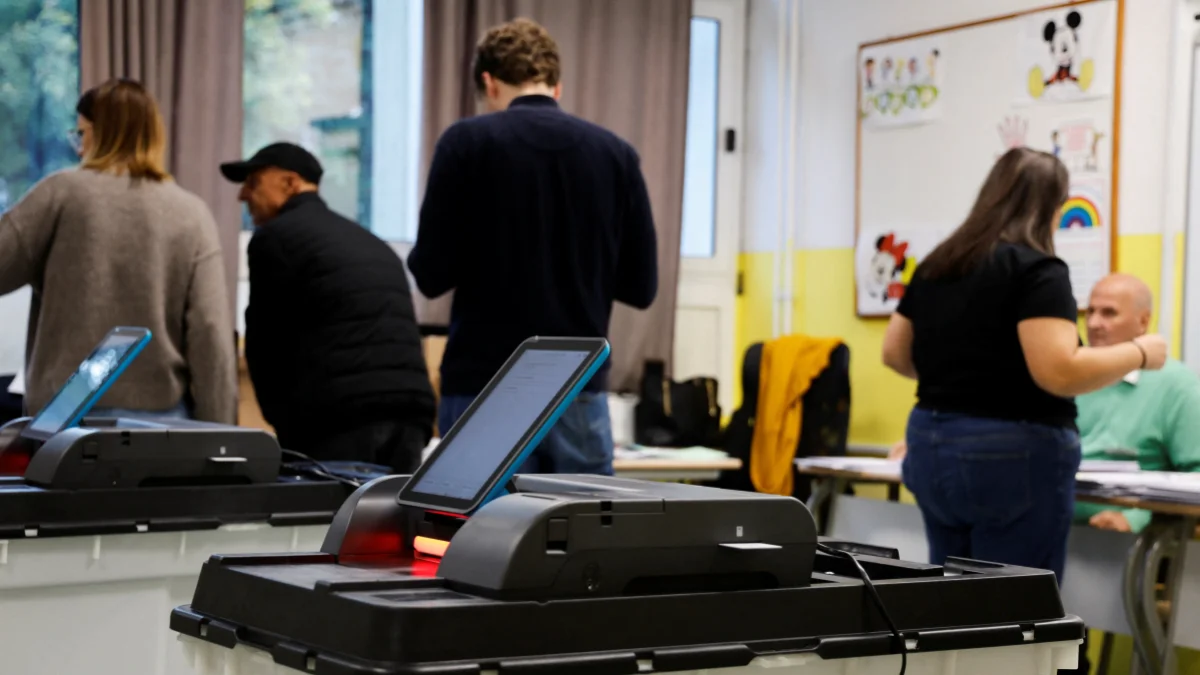
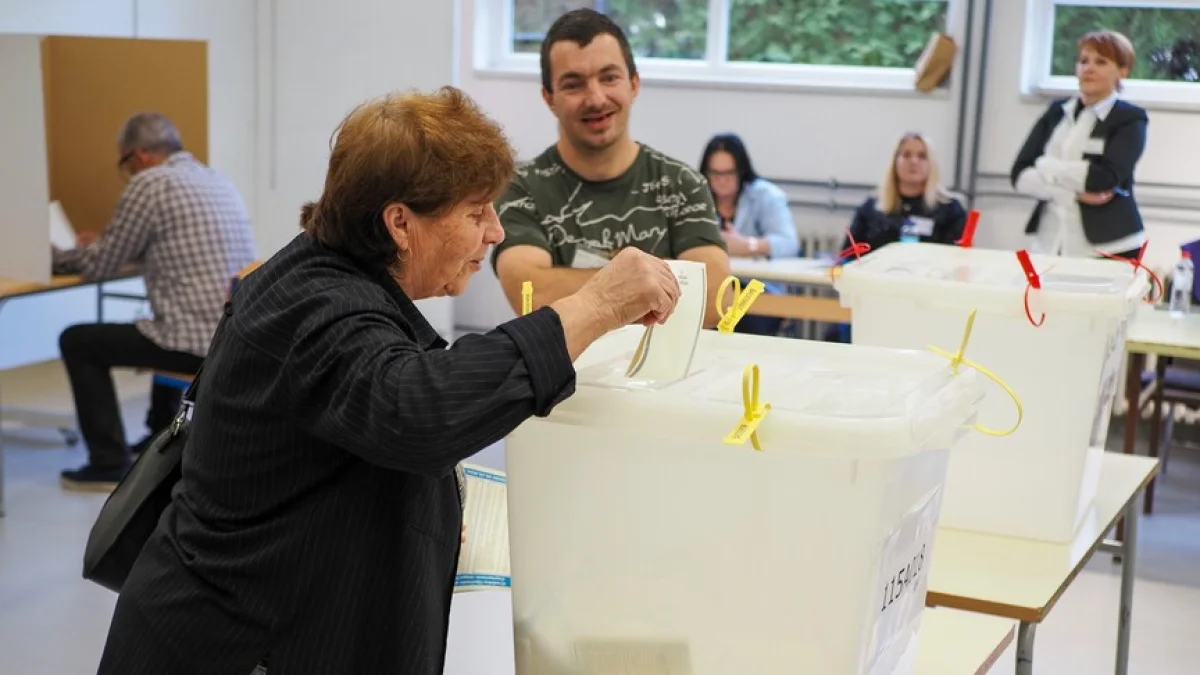
Voter turnout was 41.5%, according to the Central Election Commission. In addition to the Presidency and state parliament, residents elected representatives to institutional-level legislative bodies and other regional institutions, reflecting the country’s complex political system.