OMM Redaksiyası

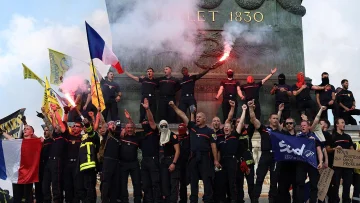
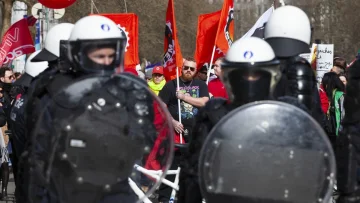
On Friday, October 9, riot police used water cannon and tear gas to disperse protesters in Brussels. Students joined a nationwide strike in Belgium against government austerity measures and spending cuts.
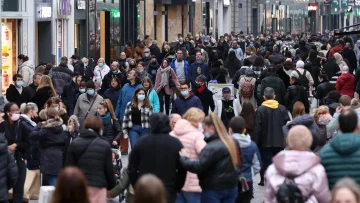
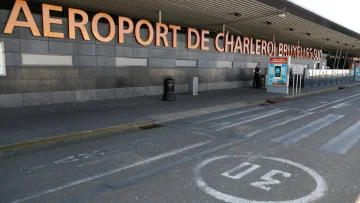
Demonstrators marched through the capital as part of rallies organized by trade unions against planned cutbacks. The protests disrupted public transport and air travel.
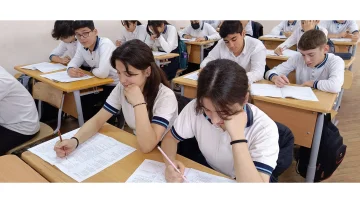
Students took to the streets to oppose cuts to education funding, holding signs warning of the potential consequences for schools, universities and public services.
107 people reportedly detained in Liège
The demonstrations in Brussels followed several days of student protests in Liège, in eastern Belgium. Local media reported that 107 people had been detained in the city.
Amid warnings of possible unrest, authorities urged shop owners to close early and residents to avoid the city center. According to local media, the main railway station was temporarily closed before reopening.
Belgium’s BE-Alert emergency notification system issued a warning on Thursday about serious unrest. Police said traffic in the city center had been severely disrupted.
Local media reported that those detained were suspected of property damage and arson. Authorities, however, did not confirm the number of detainees. Videos shared on social media showed fires, broken windows and crowds made up largely of young people, as well as police blocking roads.
Students say they were inspired by protests in France
Students protested conditions in Belgium’s French-speaking education system, including rising costs, overcrowded classrooms and difficulties obtaining course materials.
Some protesters said they felt connected to students in neighboring France, where similar protests over education and public services have grown.
“We support each other because we face the same problems,” 19-year-old student Alfred told Reuters.
Amelia Di Salve, 19, who is training to become a teacher, said Belgium’s student movement emerged earlier in the year and gained momentum again after protesters saw the demonstrations in France. “We decided to start when we saw that nothing changes without protests... France influenced us to some extent,” she said.
Liège Mayor Willy Demeyer called for calm in comments to Belgian broadcaster RTBF. He said he hoped dialogue would allow young people to express their grievances peacefully and ensure their concerns were heard.
Events in Belgium and France highlight growing pressure on authorities over education funding, staff shortages and the future of public services.