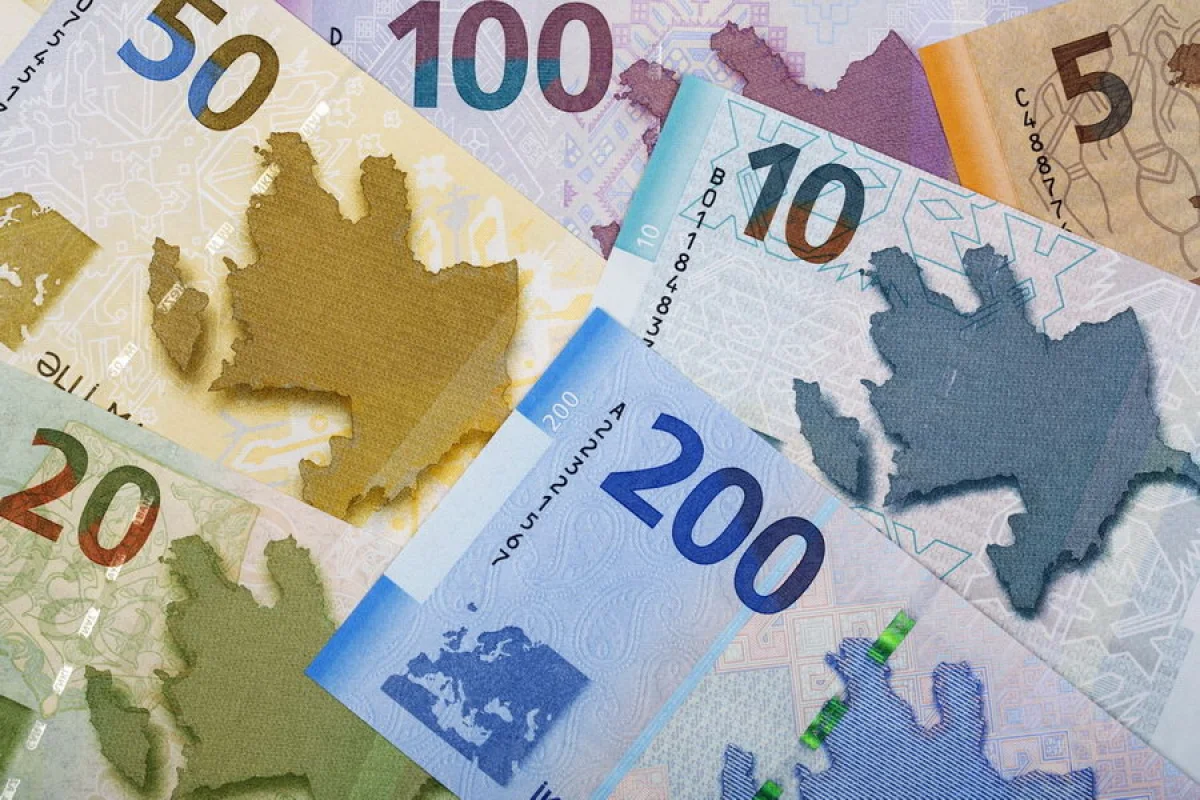
In January of this year, consumers in Azerbaijan's retail trade network purchased goods totaling 5.3 billion manats. Of this amount, 2.9 billion manats were spent on food products, beverages, and tobacco, while 2.4 billion manats were attributed to non-food items.
Operative Information Center-OMM reports that official data on these figures was released by the State Statistical Committee. Compared to January of the previous year, the retail trade turnover increased by 3.7% in real terms. This growth included a 1.3% rise in food, beverages, and tobacco products, and a 6.6% increase in non-food goods.
According to the report, 49.1% of consumer spending was directed toward food products. Other expenditures were distributed as follows: 14.4% for textiles, clothing, and footwear; 5.7% for gasoline and diesel fuel; and 4.9% for beverages and tobacco products. Additionally, 4.5% was spent on electrical goods and furniture, 2.7% on pharmaceutical and medical products, 1.5% on computer and telecommunications equipment, and 17.2% on other non-food items.
The private sector accounted for 99.8% of the total retail trade turnover, with the value of goods sold by non-state entities increasing by 3.8% in real terms. During the reporting period, the average monthly expenditure per capita in Azerbaijan reached 516 manats, of which 279 manats were spent on food and tobacco, and 237 manats on non-food products.
Retail trade turnover serves as a vital indicator of domestic consumption and economic vitality in Azerbaijan. The steady growth in this sector reflects the ongoing diversification of the national economy and the increasing purchasing power of the population. These statistical trends are closely monitored as part of the country's broader economic strategy to ensure sustainable development and market stability in the non-oil sector.