 OMM Redaksiyası

Azerbaijan is exploring the use of digital technologies to document and preserve historical and religious monuments. The issue was discussed at a conference in Baku organized by the Ministry of Culture and the State Committee for Work with Religious Organizations.
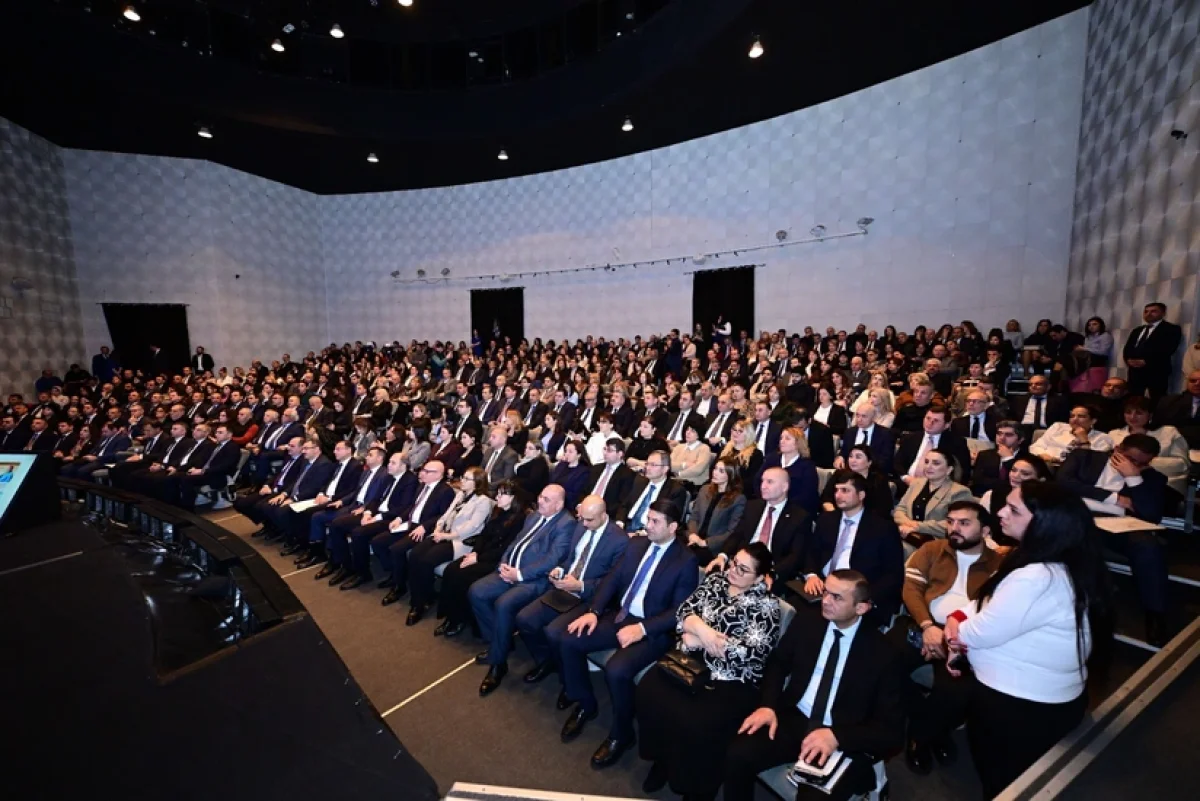
Representatives of state institutions, experts, scholars and religious communities attended the event, titled “Protection of historical and religious monuments: Challenges and prospects.” The conference focused on documenting and restoring monuments and protecting cultural heritage.
Ramin Mammadov, chairman of the State Committee for Work with Religious Organizations, said protecting monuments in conflict-affected areas involved a number of challenges. He said some monuments had been destroyed, neglected for extended periods or had restricted access.
Mammadov stressed the importance of collecting and systematizing information about the condition of heritage sites. He said a unified database and digital map could help monitor the condition of individual monuments.
Digital mapping, 3D scanning, drones and satellite imagery can be used to document and monitor monuments. Artificial intelligence can also be used to study and preserve historical artifacts.
Shabnam Safarova, chairwoman of the “For Progress of Garabagh” organization, said it was important to move from a post-destruction restoration model to preventive protection in preserving Azerbaijan’s cultural heritage.
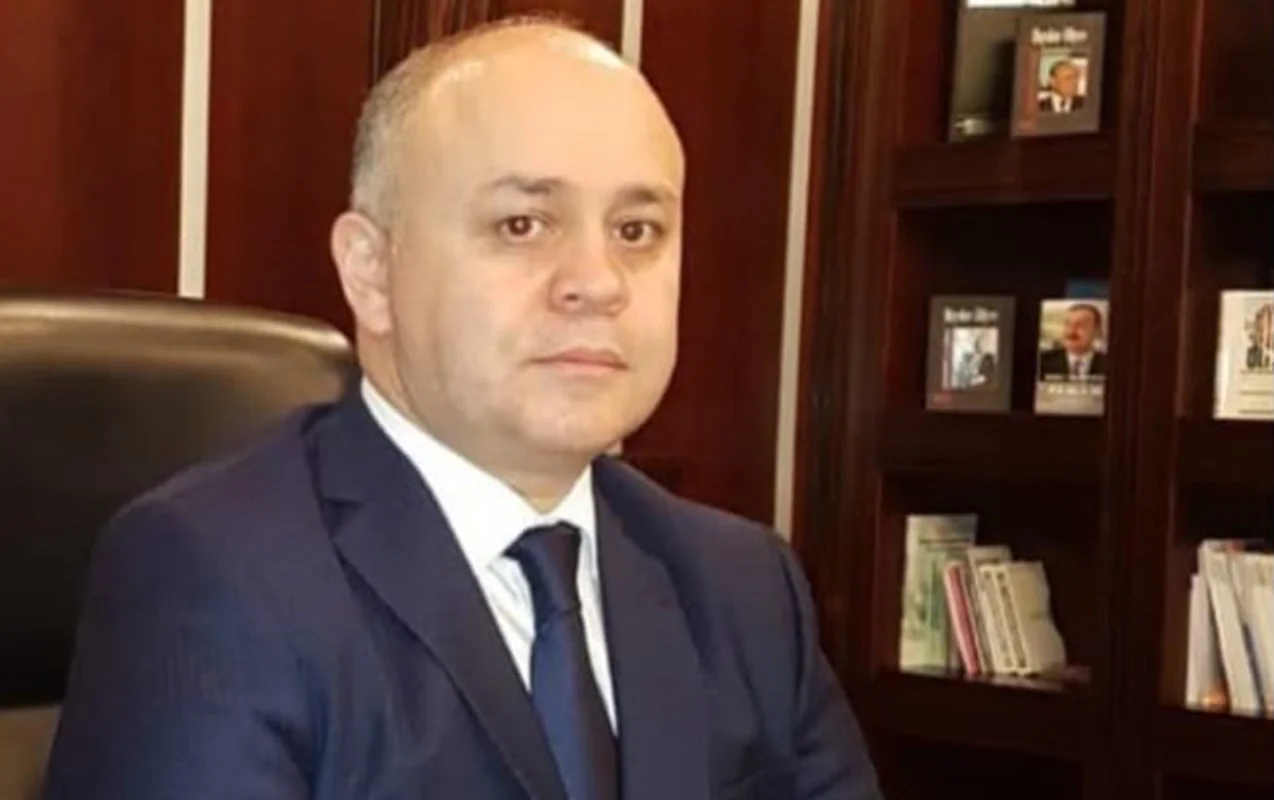
Culture Minister Adil Karimli said climate change, urbanization and armed conflicts were major challenges for historical, religious and architectural monuments. He said hundreds of historical and architectural monuments in Azerbaijan had been destroyed or damaged during the 30-year occupation.
Karimli said large-scale restoration work was currently under way in Garabagh and Eastern Zangazur. The Heydar Aliyev Foundation is also involved in the process.
“Azerbaijan is doing everything possible to preserve this heritage in its original form and pass it on to future generations,” the minister stressed.
Gulchohra Mammadova, rector of the Azerbaijan University of Architecture and Construction, said research into damaged monuments in the areas liberated from occupation was continuing. Assessments are being carried out to include newly identified sites on the list of heritage assets under state protection.
Gunduz Ismayilov, deputy chairman of the State Committee for Work with Religious Organizations, said the restoration approach applied to all religious sites regardless of their religious affiliation. He said that mosques, synagogues, churches and cemeteries were protected both as part of the cultural heritage and as sites requiring protection.
Fazil Mustafa, chairman of the Milli Majlis (National Assembly) Committee on Public Associations and Religious Institutions, said Azerbaijan could contribute to restoring historical and religious monuments abroad, including in Armenia, if conditions allowed. He said discussions at the conference could also help improve relevant legislation.
The event also discussed the role of documentation, expert studies and cooperation with local communities in the long-term protection of historical and religious monuments.