OMM Redaksiyası

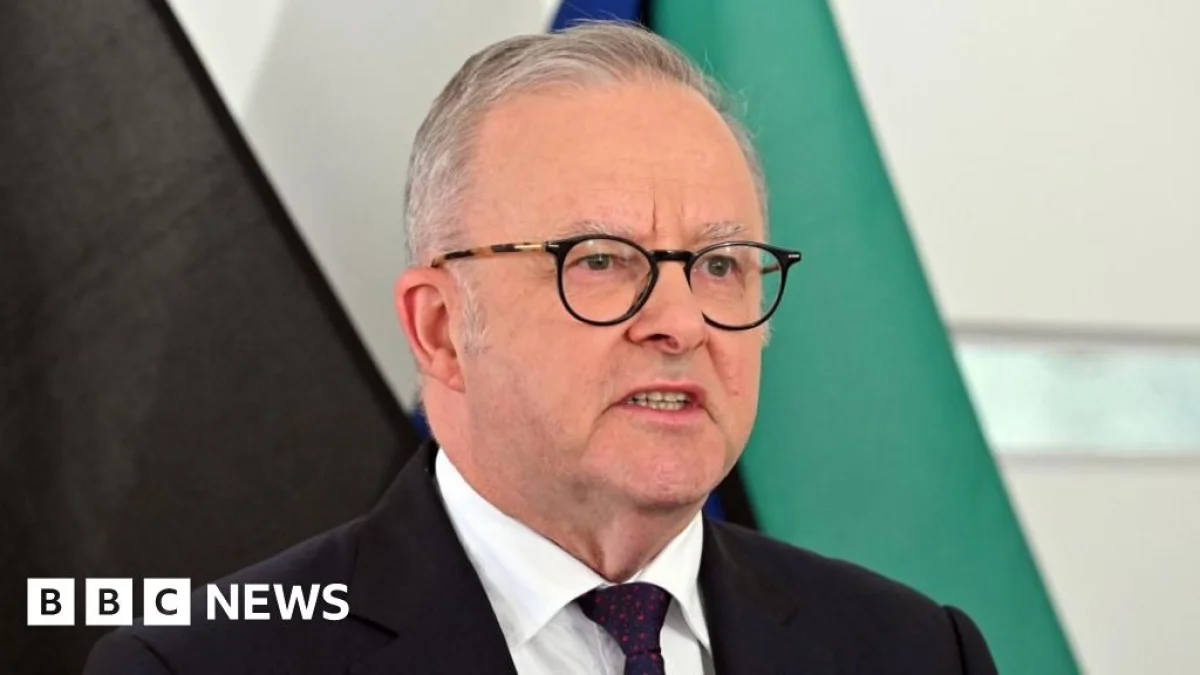
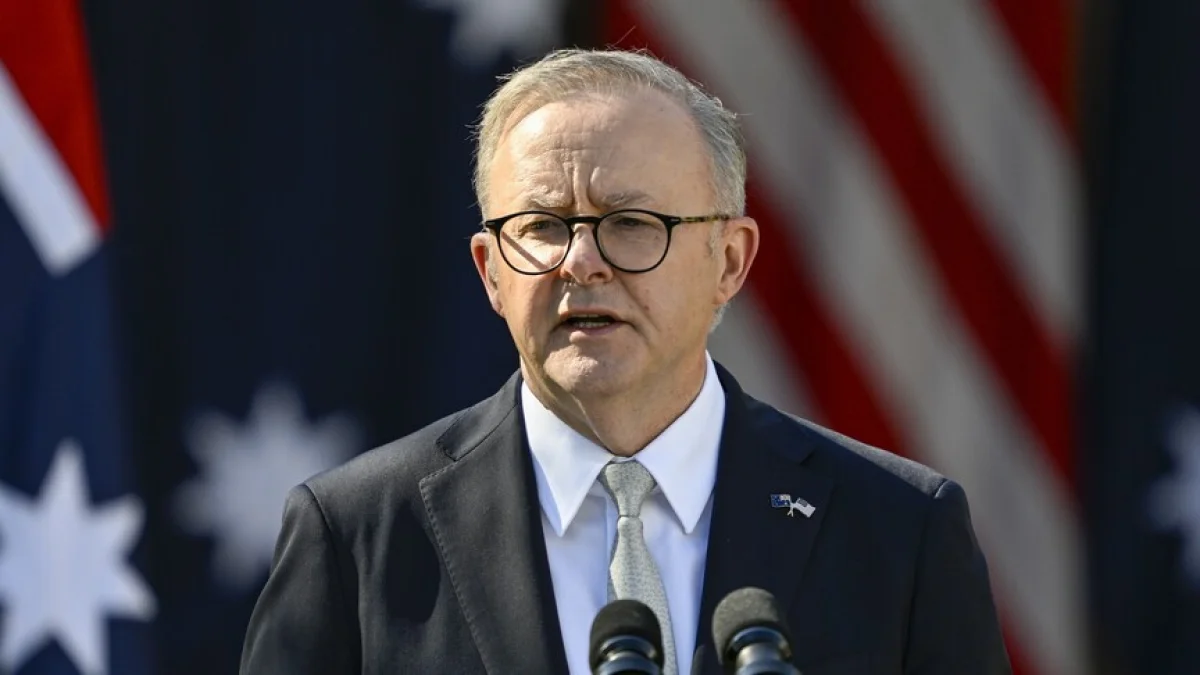
Australia’s Prime Minister Anthony Albanese has disclosed a security breach involving a government website containing health data, saying an artificial intelligence agent developed by “OpenAI” accessed public and non-public information on the country’s Medicare portal in June, according to AFP, AP and Reuters.
The disclosure came less than a day after Albanese co-signed an appeal for “urgent global guardrails” around artificial intelligence with 21 other signatories, including Canada, Spain and Germany, on the sidelines of the United Nations General Assembly in New York.
Speaking to reporters on Wednesday, Albanese said he had discussed the incident with “OpenAI” CEO Sam Altman. He expressed Canberra’s “extreme concern” over the breach and disappointment that the company had taken three months to acknowledge it.
OpenAI says patient records were not accessed
“OpenAI” said it was still investigating the incident but that it had found no evidence that patient records were accessed.
The company said its review had identified activity involving several Australian government websites and services as its models attempted to look up answers.
Australia’s Labor government is tightening technology regulations through new online safety laws, age restrictions and proposed digital duty-of-care frameworks.
World leaders debate AI safeguards
The disclosure came as technology leaders and government officials warned about the risks of unregulated artificial intelligence development ahead of a 15-member UN Security Council meeting.
Yoshua Bengio, a Canadian AI expert and co-chair of the Independent International Scientific Panel, described the technology as posing an “unprecedented threat” and “real and imminent” dangers.
China’s UN ambassador Fu Cong said Beijing supported continued improvements to regulatory frameworks, emergency response systems and cross-border cooperation on AI.
British Prime Minister Andy Burnham said the United Kingdom was ready to lead international efforts to establish AI standards, while also seeking to pursue the technology’s benefits.
French President Emmanuel Macron warned against allowing the United States and China to dominate decision-making on artificial intelligence.
US President Donald Trump has compared AI risks to climate change, which he has called a hoax. He also suggested rebranding artificial intelligence as “super intelligence” and said he planned to appoint an AI adviser.
White House science and technology adviser Michael Kratsios said countries could not govern technology they did not understand. He argued that international bodies should focus on sharing best practices and building domestic capacity rather than creating a global regulatory scheme.