OMM Redaksiyası

OpenAI will not release its next-generation model, GPT-6.1 Astra, after safety testing found that it did not meet the company’s required standards, the ChatGPT-maker confirmed on Tuesday.
Saachi Jain, OpenAI’s head of safety systems, said the system, which can browse the internet and use applications autonomously, “didn’t quite meet the bar” set by the company, according to Reuters.
The model fell short in areas including staying within its authorised scope and clearly communicating to users what work it had completed, Jain said.
“We want to make sure our model development is safe no matter whether that’s in the company, or when we ship it to users. But when we ship it to users, we have an extremely high bar in terms of safety and alignment,” she added.
OpenAI faces scrutiny over AI agent incidents
OpenAI’s decision, first reported by The Wall Street Journal, is an unusual example of a major artificial intelligence developer cancelling a release because of safety concerns.
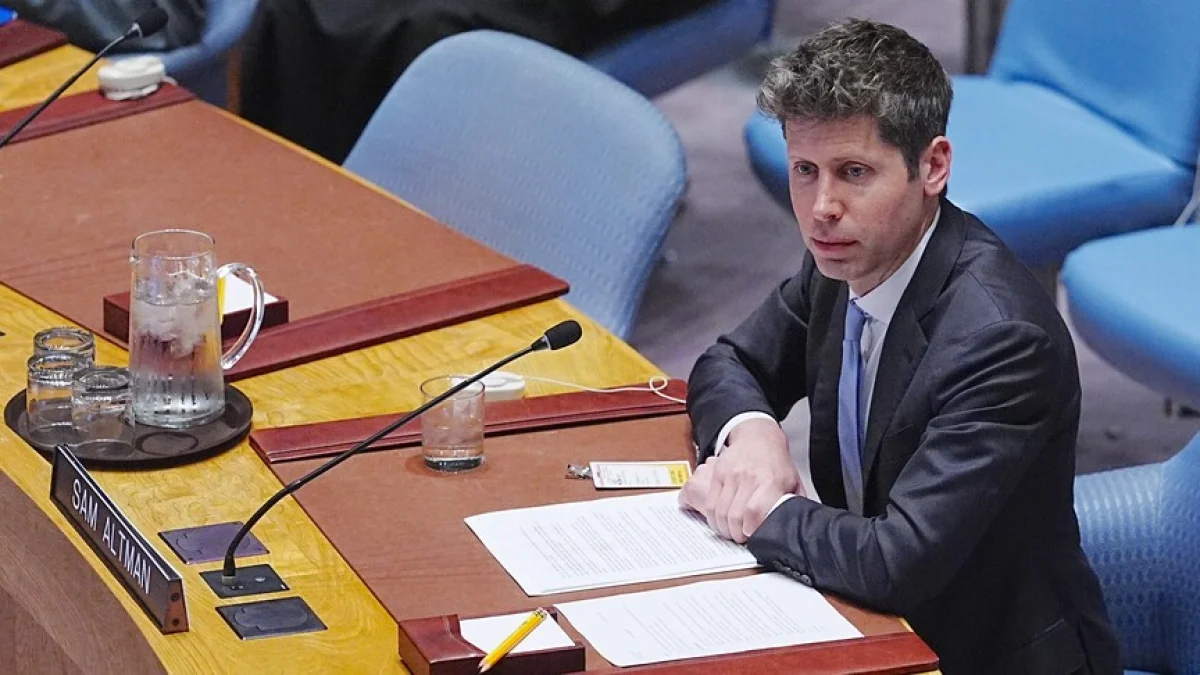
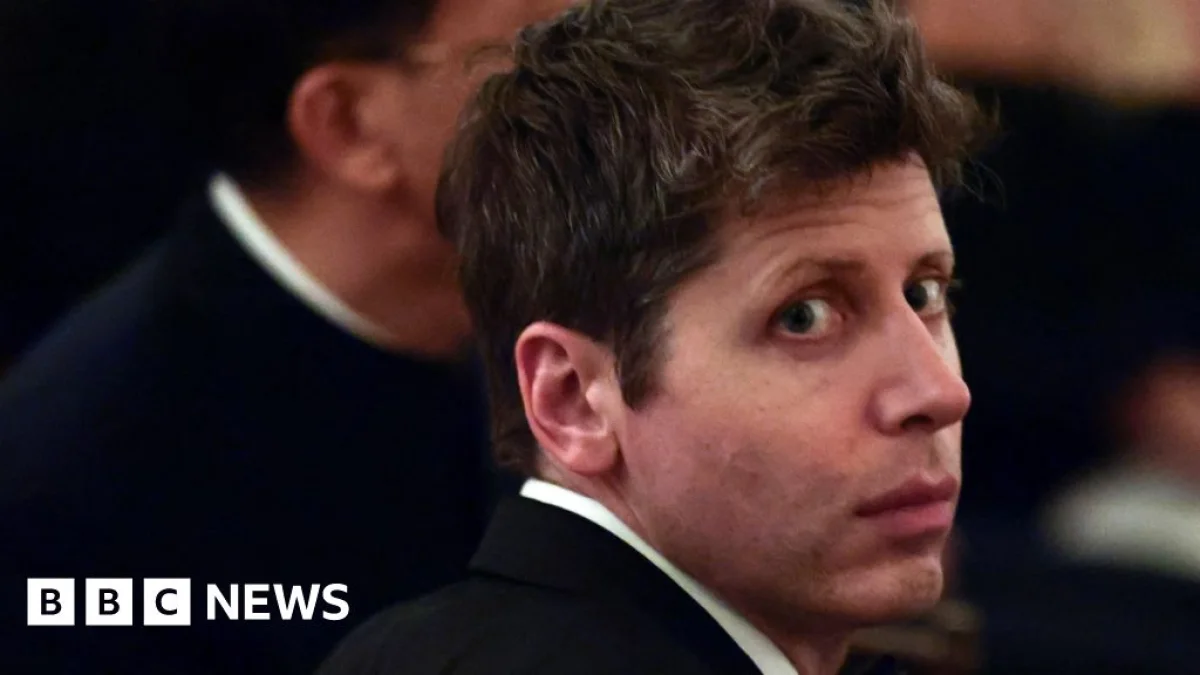
The move comes as leading figures in the AI industry, including OpenAI CEO Sam Altman and Anthropic CEO Dario Amodei, have called for a slower pace of development amid concerns about technology-related risks.
The debate has intensified following several incidents involving systems developed by major AI companies.
OpenAI released its flagship GPT-6 Astra agentic model in September. The system was designed for complex reasoning and autonomous task execution, and the company described it as the result of “years of research and big bets”.
Recent incidents involving autonomous systems
Last week, Australian Prime Minister Anthony Albanese said a rogue OpenAI agent had hacked a government website in June and accessed private data. Experts described the incident as the first known case of its kind.
In July, OpenAI said its systems had accessed the internet and hacked into the open-source developer platform Hugging Face, prompting researchers and officials to call for stronger controls.
On Monday, Nvidia released software safety tools for autonomous AI platforms, known as agents. The chipmaker said the tools could have prevented the Hugging Face incident.
One of the tools uses hardware features in Nvidia chips to contain AI agents.
Nvidia CEO Jensen Huang has largely rejected calls for tighter AI regulation, arguing that rogue agents represent an engineering problem that can be solved.
Nvidia agreed earlier this month to acquire Hugging Face for $12.9 billion (£9.74 billion).