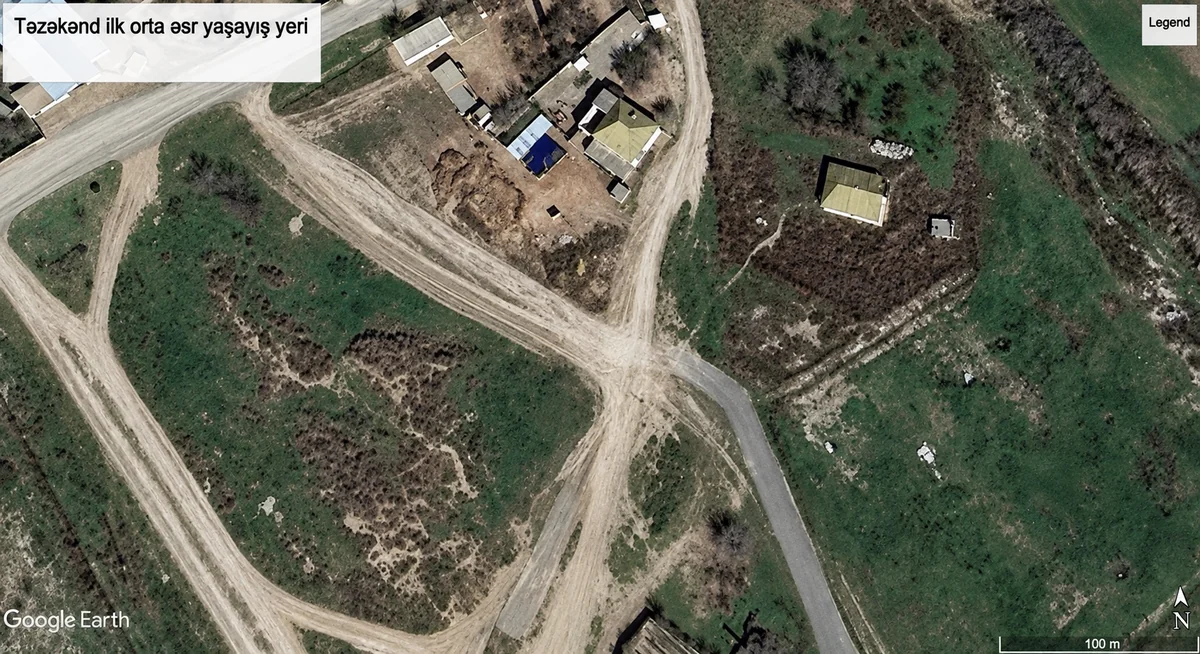
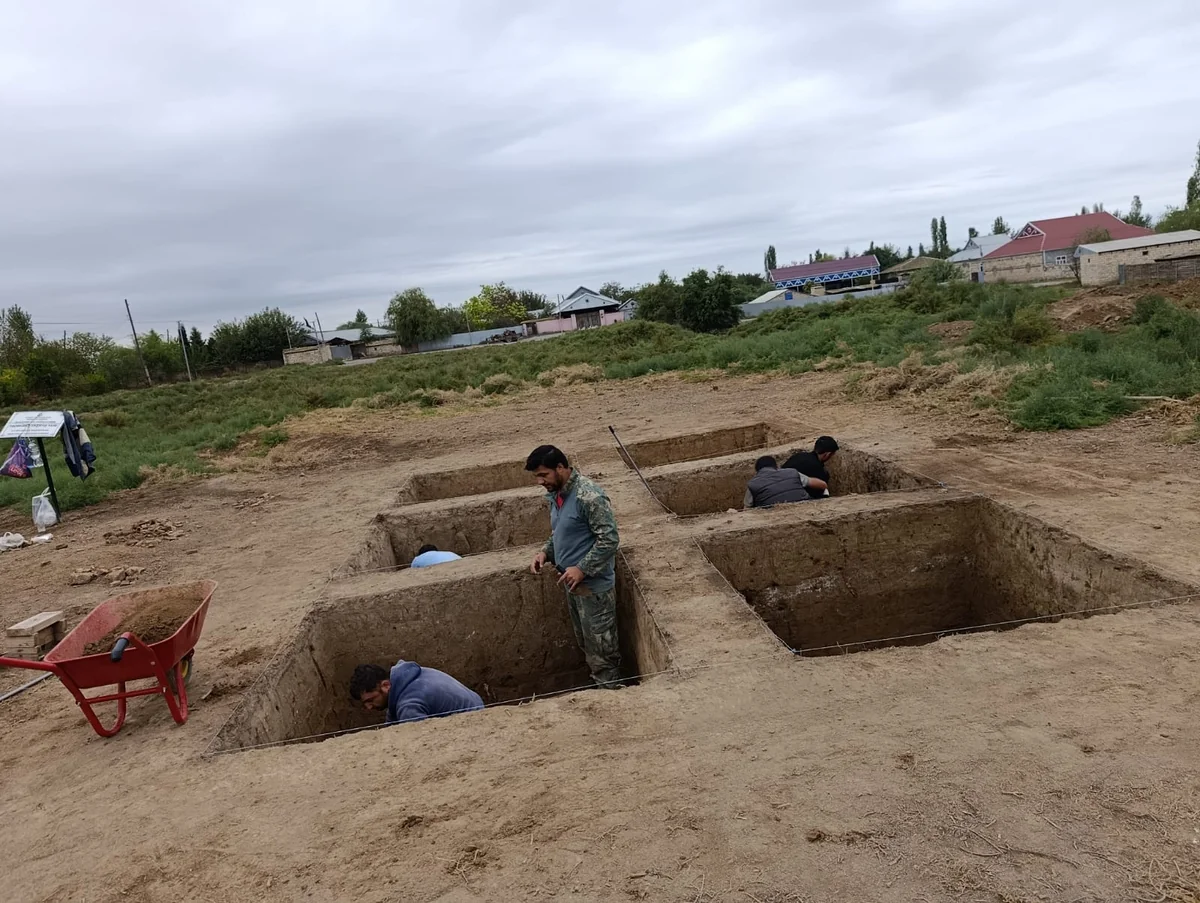
Traces of ancient buildings have been uncovered during archaeological excavations in Tazekand village, Beylagan district.
The Institute of Archaeology and Anthropology of the Azerbaijan National Academy of Sciences provided the information, Operative Information Center-OMM reports.
Researchers said successive cultural layers and architectural remains show that the settlement on the Mil plain was inhabited in several periods.
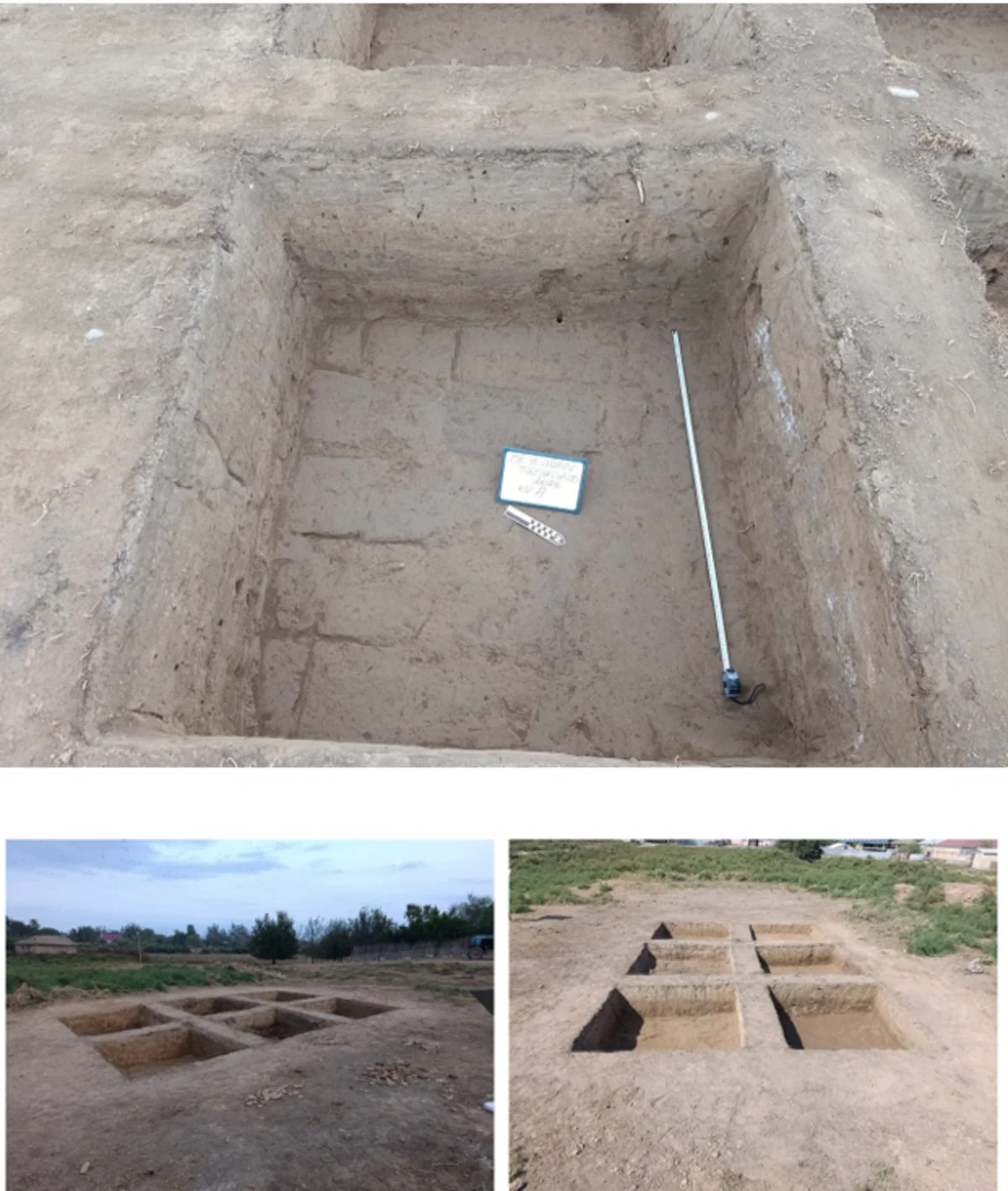
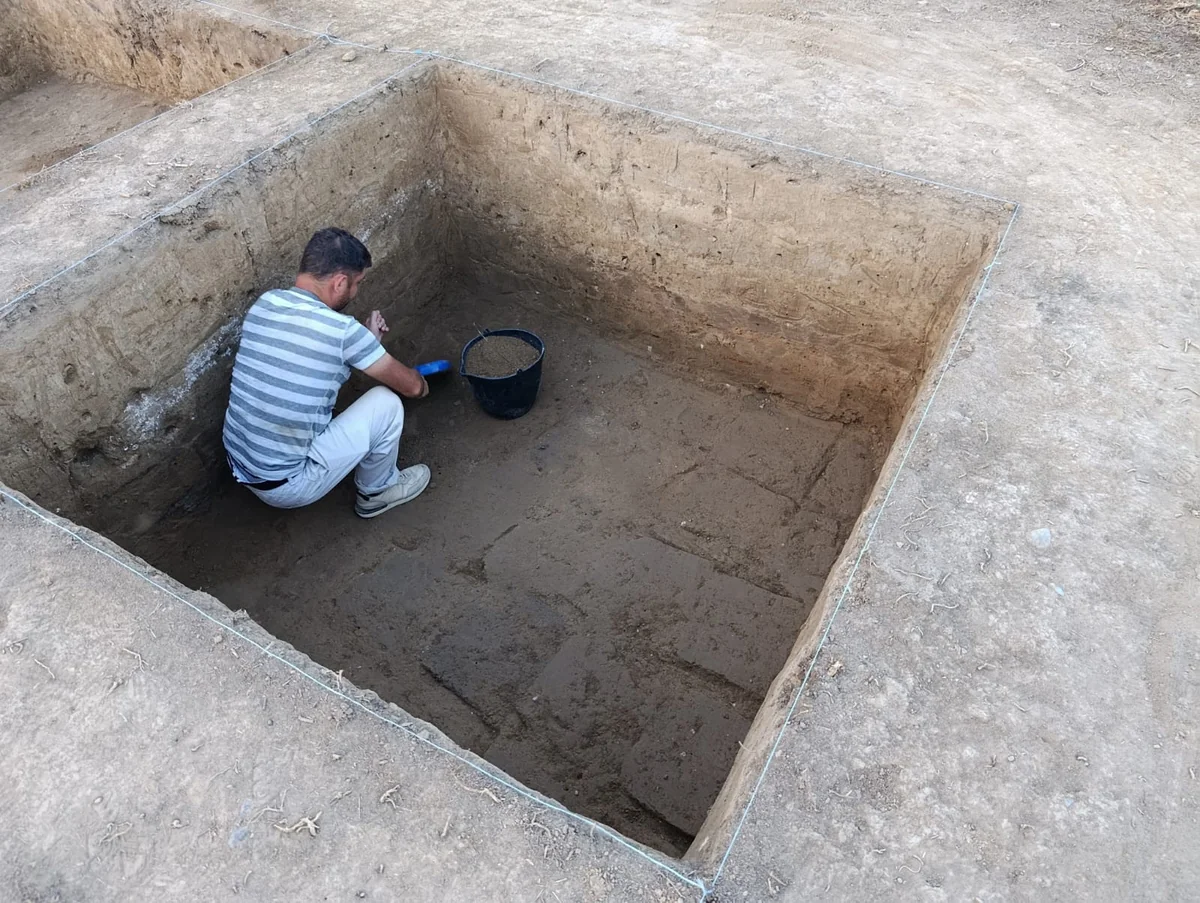
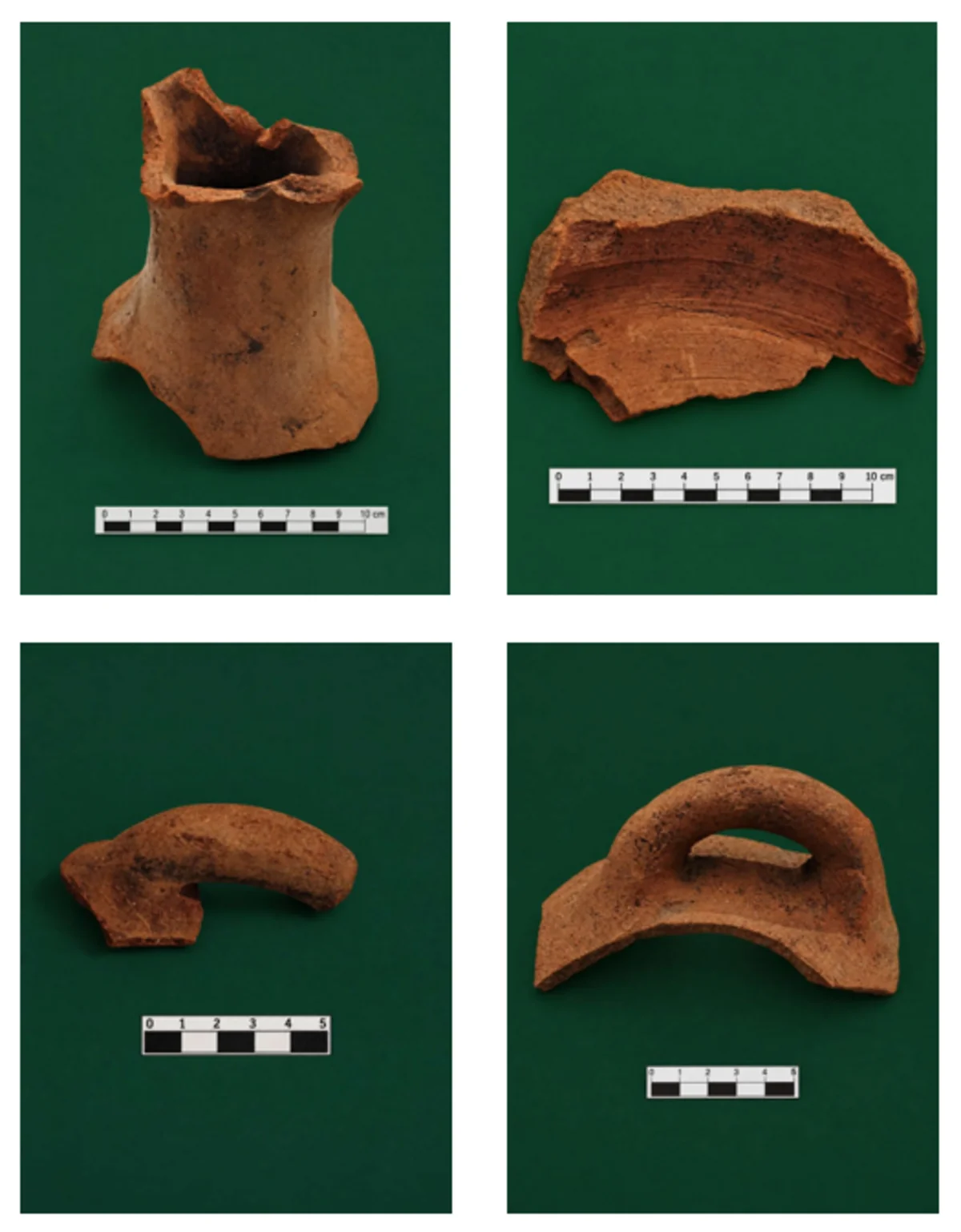
Excavations across six squares in July and August 2026 found that the cultural layer extended to a depth of about one metre. In square A, a floor made of unfired bricks measuring 40 by 35 centimetres was recorded at a depth of 97 centimetres. In square B, traces of masonry made from fired red bricks were found at a depth of 92-93 centimetres. Ceramic fragments, construction materials and bone remains were also discovered and documented.
The Tazekand site was first recorded during a surface survey in 1936. The Orenkala expedition conducted the first systematic studies there from 1953 to 1957. In 1957, researchers determined that the cultural layer extended to a depth of 3.5 metres.
Pottery and silver denarii dating to the reign of Augustus, discovered in earlier studies, indicate that the settlement was inhabited from the 2nd-1st centuries BC to the 5th-7th centuries AD.
Researchers have identified the Tazekand site with the remains of Paytakaran, a city dating to the early Middle Ages.