OMM Newsroom

World’s fastest-growing cities revealed: Which city ranks first?
The world’s fastest-growing cities have been ranked, with Asian and African cities dominating the 2026 figures. Ghaziabad, India, leads with annual population growth of 5.2%. Jakarta, Indonesia’s capital, is listed as the world’s largest city, with a population of 41.9 million.
“Operative Information Center-OMM” reports, citing foreign media, that the list published by World Population Review ranks cities by annual population growth. Asian and African cities dominate the top 10, while Toluca, Mexico, is the only city from outside those regions.

Which cities are growing fastest?
Ghaziabad, located near the Indian capital, Delhi, tops the list for annual population growth, which is reported at 5.2%.
Other cities near the top of the ranking include:
- Ghaziabad, India – 5.2%
- Surat, India – 4.99%
- Kabul, Afghanistan – 4.74%
- Lagos, Nigeria – 4.44%
- Toluca, Mexico – 4.25%
- Lubumbashi, Democratic Republic of the Congo – 4.1%
- Kampala, Uganda – 4.03%
With annual growth of around 4%, the list also includes Luanda in Angola, Dar es Salaam in Tanzania, Nairobi in Kenya, Bamako in Mali, and Patna, Rajkot and Faridabad in India.
For five-year population growth, Malappuram in India’s Kerala state ranks first, at 44%. The populations of Can Tho in Vietnam and Suqian in China are reported to have grown by 37% over five years.
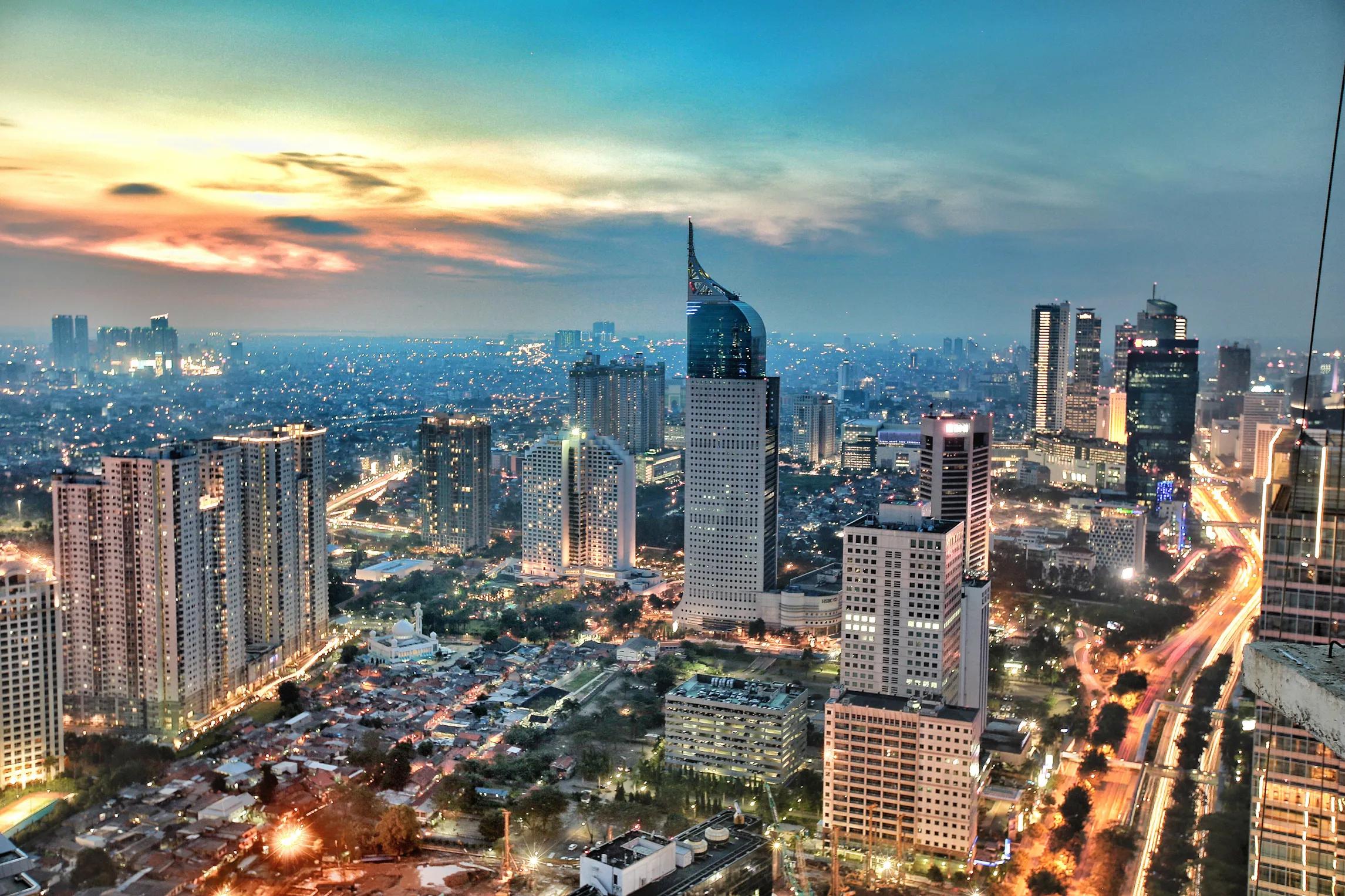
Jakarta becomes the world’s largest city
There have also been notable changes in rankings by total population. Jakarta, Indonesia’s capital, has reached 41.9 million residents, overtaking Tokyo, Japan’s capital, according to the report.
Dhaka, the capital of Bangladesh, ranks second with 36.6 million residents, followed by Tokyo with 33.4 million. Delhi, India’s capital, has a population of 30.2 million, while Shanghai, China, has 29.6 million.
The world’s 20 largest cities by population are:
- Jakarta, Indonesia – 41.9 million
- Dhaka, Bangladesh – 36.6 million
- Tokyo, Japan – 33.4 million
- Delhi, India – 30.2 million
- Shanghai, China – 29.6 million
- Guangzhou, China – 27.6 million
- Cairo, Egypt – 25.6 million
- Manila, Philippines – 24.7 million
- Kolkata, India – 22.6 million
- Seoul, South Korea – 22.5 million
- Karachi, Pakistan – 21.4 million
- Mumbai, India – 20.2 million
- São Paulo, Brazil – 19 million
- Bangkok, Thailand – 18.2 million
- Mexico City, Mexico – 17.7 million
- Beijing, China – 17 million
- Lahore, Pakistan – 15.2 million
- Istanbul, Türkiye – 15 million
- Moscow, Russia – 14.5 million
- Ho Chi Minh City, Vietnam – 14.1 million

Rapid urbanization adds to infrastructure challenges
Rapid population growth in cities is associated with new jobs, higher-income opportunities and greater access to education and services. At the same time, fast urbanization can put serious pressure on transport, water supply, sewage, housing and other infrastructure.
World Population Review says about 55% of the global population lives in cities, a share that could rise to 68% by 2050.
Lagos, Nigeria, is cited as an example. According to the report, fewer than 10% of the city’s residents live in homes connected to a sewage system, while fewer than 20% have access to a centralized water supply.
United Nations projections indicate that India, China and Nigeria could account for 35% of urban population growth worldwide between 2018 and 2050.
Although rapid city growth can expand economic opportunities, matching that growth with residents’ needs for housing, water, transport and other essentials remains a major challenge.