 OMM Redaksiyası

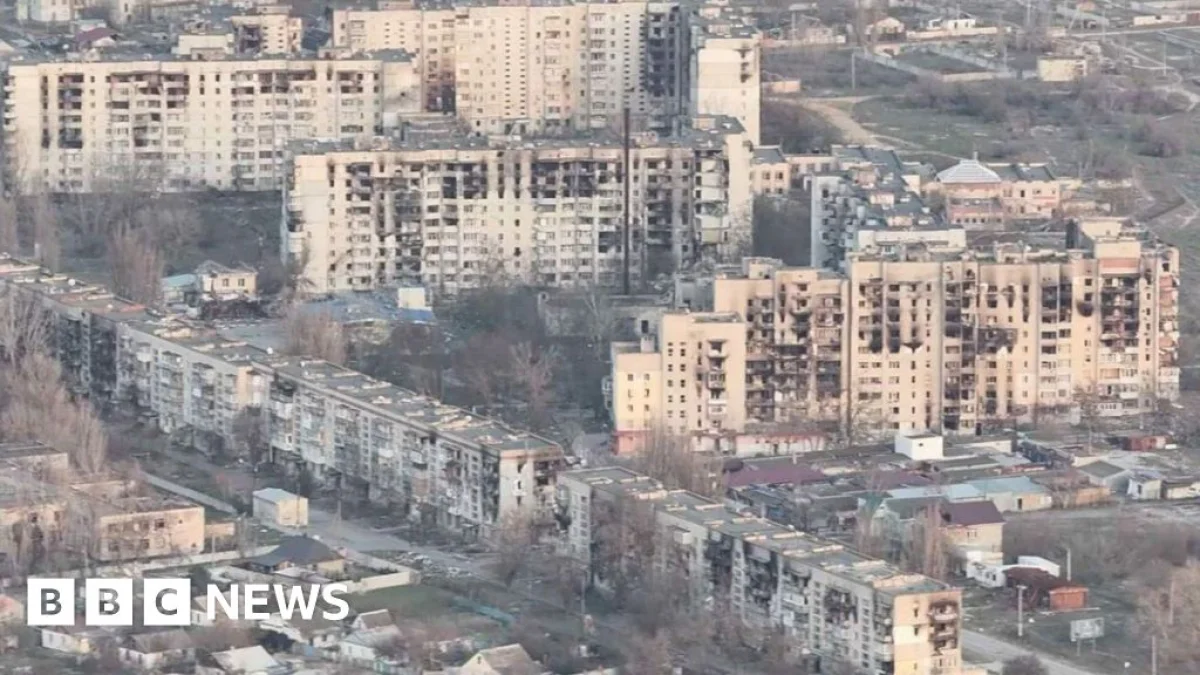
UN human rights chief Volker Turk on Friday called for a “decisive shift” towards de-escalation and peace in Ukraine, urging the sides to renew negotiations. Addressing the UN Human Rights Council in Geneva, he warned that the war had become a “human rights catastrophe” that was intensifying by the week.
“The conduct of this war to date cannot be allowed to dictate its future. We need a decisive shift towards de-escalation and peace,” Turk said.
Turk proposes steps to protect civilians
He said rebuilding momentum towards negotiations was essential and called for confidence-building measures to lessen the impact of hostilities on civilians.
Possible steps included an agreement to stop attacks on economic targets and energy infrastructure, local ceasefires along the front lines, allowing civilians to leave Oleshky, and a full exchange of prisoners of war, he said.
Turk urged the international community, particularly countries with influence, to take “urgent action to push for a negotiated peace now, before this tragedy becomes even worse.”
Civilian casualties and attacks
His office verified about 15,280 civilians killed or injured across Ukraine in the first eight months of 2026, an average of more than 400 a week and 55% higher than in the same period of 2025.
Describing Ukraine as a “laboratory for drone warfare,” Turk urged international action to address the “carnage” caused by such weapons worldwide. Russian aerial glide bombs alone killed or injured nearly 2,500 civilians in the Donetsk, Kharkiv, Sumy and Zaporizhzhia regions during the first eight months of the year, a 62% increase year on year, he said.
Turk also accused Russian forces of stepping up attacks on energy infrastructure, supermarkets, food companies and transport networks. Ukrainian forces have reportedly struck warehouses and logistics centres belonging to major e-commerce companies in Russia, as well as oil refineries, he said.
Report documents sexual violence
Turk cited a recent report documenting more than 1,000 cases of conflict-related sexual violence. He said 89% of the cases were attributed to Russian authorities and 11% to Ukraine.
Most victims were men, particularly people in detention, although women and children were also affected, primarily in occupied Ukrainian territory, according to Turk. “Alongside peace, there must be accountability,” he said.
The UN rights chief also voiced alarm about human rights violations linked to fighters from third countries taking part in the war. His staff had interviewed prisoners of war from 29 countries held by Ukraine, many of whom said they had been deceived into joining Russian forces, he said.