OMM Redaksiyası

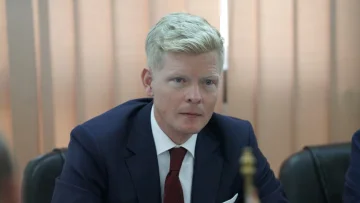
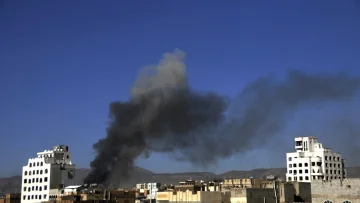
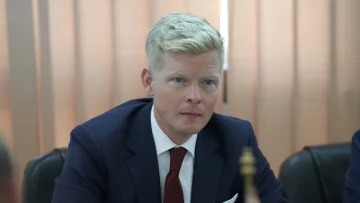
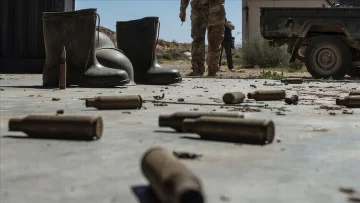
Yemen has returned to “full-scale war” as fighting spreads across several fronts, UN Special Envoy Hans Grundberg warned on Friday, saying civilians were suffering the consequences of escalating violence.
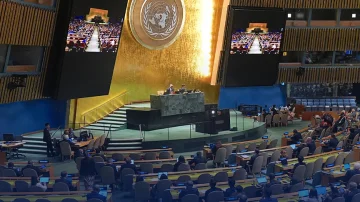
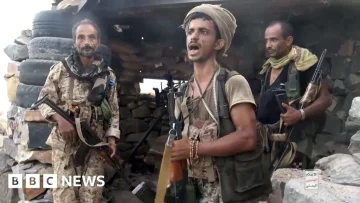
Briefing the UN Security Council, Grundberg said hostilities had intensified in recent weeks following advances by Ansar Allah, also known as the Houthis, towards Mokha and the coast along the Bab el-Mandeb Strait.
He condemned Houthi attacks on civilian and energy infrastructure in Saudi Arabia, including recent strikes on Abha International Airport and King Khalid International Airport in Riyadh, which killed and injured civilians. “I echo the Secretary-General’s condemnation, and repeat my call on Ansar Allah to cease these attacks,” he said.
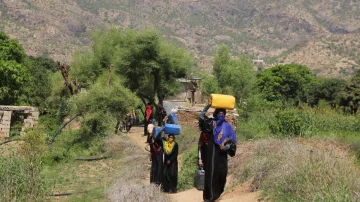
Grundberg said women and children were particularly exposed to the escalating violence amid severe economic hardship. He cited the International Monetary Fund’s ranking of Yemen as the world’s poorest country.
The envoy urged all parties to comply with international humanitarian law, including obligations to distinguish civilians from combatants, avoid disproportionate harm and take all feasible precautions to protect civilians. He said children were entitled to special protection and that recruiting or using them in armed conflict was prohibited.
He also called for the protection of medical facilities, humanitarian personnel and operations, as well as people no longer taking part in hostilities.
Grundberg warned that Houthi threats against Saudi-linked commercial vessels in the Red Sea undermined freedom of navigation and were becoming increasingly intertwined with disputes over maritime trade routes and pressure on international energy markets. He acknowledged concerns about regional security, navigation and trade, but said international efforts must also take account of conditions inside Yemen and the needs and aspirations of its people.
Changing military calculations, he said, were affecting the parties’ decisions about when and how to negotiate. Military pressure could strengthen negotiating leverage, but military action and diplomacy were not mutually exclusive.
“Ultimately, gains on the battlefield cannot substitute for the negotiations that will be required to settle the conflict,” Grundberg said. As mediator, he said, his responsibility was to make space for a Yemeni-led political settlement.
He said the parties owed a political solution to about 40 million Yemenis, who have endured more than a decade of conflict. “Unless war is to become Yemen’s permanent reality, the time to consider political strategies is now,” he said.
Grundberg also voiced concern over the continued detention of UN personnel and staff from nongovernmental organizations, civil society groups and diplomatic missions, and called for urgent action and continued Security Council support.
“Without a credible political process that sustainably resolves the conflict, it will continue to resurface, deepen regional tensions, and threaten broader stability,” he warned. He urged Security Council members to remain united, keep their attention on Yemen and support mediation efforts to end the conflict.