 OMM Redaksiyası

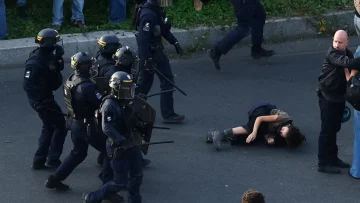
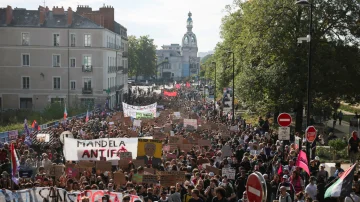
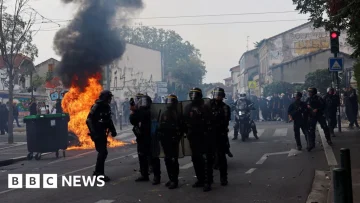
Student protests over deteriorating conditions in French schools are growing. Calls for nationwide demonstrations on Oct. 17 are circulating online, raising the possibility that the protests could expand.
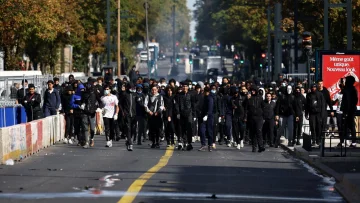
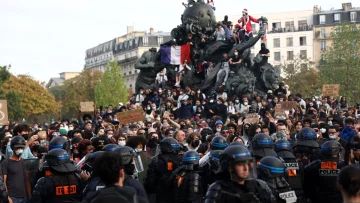
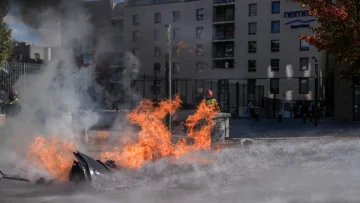
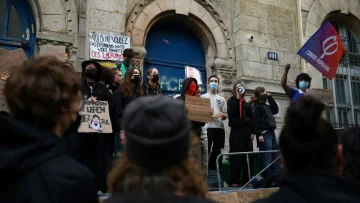
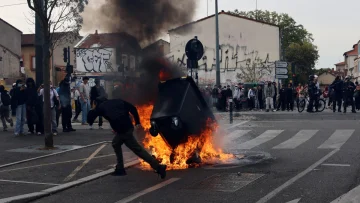
French secondary-school students continue to block educational institutions and stage protests over teacher shortages, overcrowded classrooms and the deteriorating condition of school buildings.
The demonstrations reflect growing concern about public education and mounting pressure on public services as the government faces budget constraints.
Protests continued on Oct. 8 despite government pledges to address staffing shortages. Prime Minister Sébastien Lecornu’s administration has promised action, but students say the proposed measures do not address the root causes of the crisis.
Calls for Oct. 17 rallies circulate
According to Reuters, calls for broader demonstrations on Oct. 17 are spreading online. This has raised the possibility that student protests could converge with a wider wave of public discontent.
Some online calls draw parallels with the Yellow Vests movement, which emerged in 2018 amid anger over fuel taxes and rising living costs.
It remains unclear how much support the planned actions will attract. Calls circulating online do not mean that a nationwide strike has been confirmed or that major trade unions have endorsed a coordinated demonstration.
The possibility of renewed protests comes as debate intensifies over the cost of living, public spending and the future of public services. It is unclear whether the student-led actions will join a broader protest movement.
Government faces pressure over school conditions
The growing student demonstrations are increasing pressure on the French government over education funding and efforts to address staff shortages. Students are calling for better learning conditions and more investment in schools.
The government will have to balance these demands against wider budget constraints. Attention is now focused on possible demonstrations on Oct. 17; their scale could indicate whether dissatisfaction with education develops into broader public protest.
For now, students remain focused on improving conditions in schools, while the scale of any wider mobilization remains uncertain.