OMM Redaksiyası

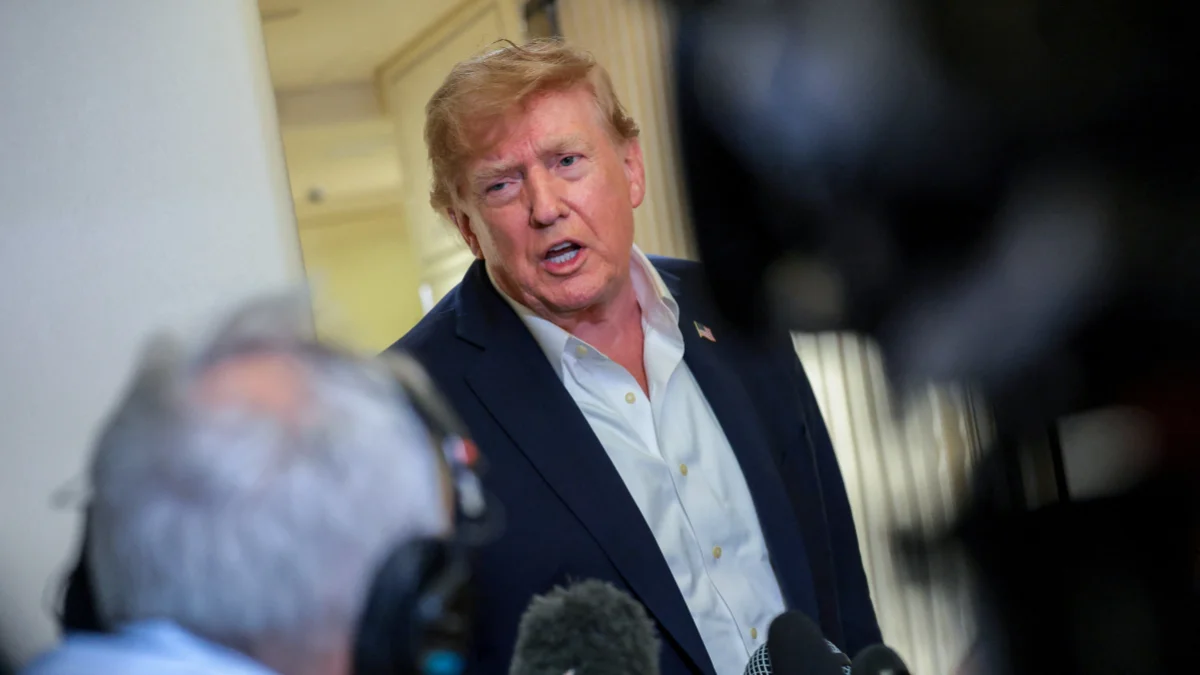
US President Donald Trump and the heads of leading technology companies have agreed to develop voluntary safety standards for artificial intelligence. At the same time, the US administration continues to support the rapid expansion of data centers across the country.
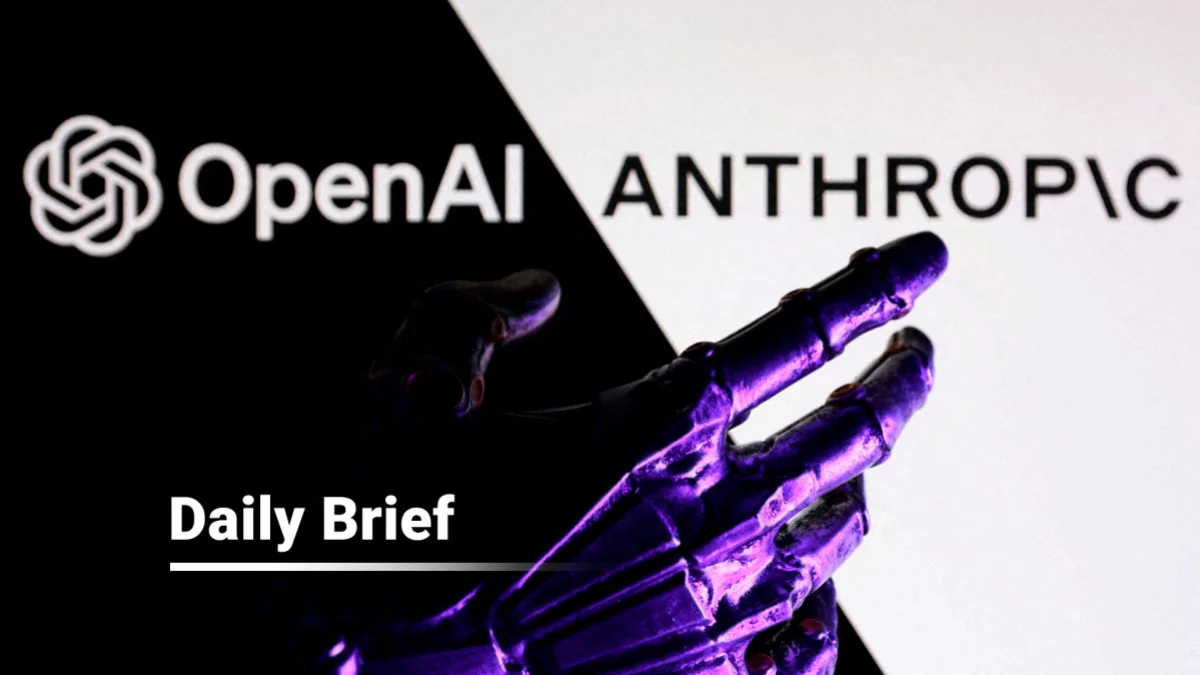
The agreement was reached after a meeting at the White House attended by senior representatives of “OpenAI,” “Anthropic,” “Meta,” “Google” and “Nvidia.” The move comes amid growing concerns about the potential risks of more capable AI systems and the impact of large data centers on local communities.
Oversight of artificial intelligence systems
Under the agreement, technology companies will work with independent auditors to assess whether AI systems operate as their developers intend.
The companies have also pledged to take measures to prevent AI tools from interfering with technical systems without authorization or in unintended ways.
Trump compared the agreement to a kind of “constitution” among the companies and described it as a safeguard. Meta chief executive Mark Zuckerberg said the participants had agreed to establish “strong internal oversight mechanisms” for AI systems.
Trump also said he was considering establishing a 10-member board to oversee AI safety and would soon appoint a new official to lead the White House’s technology policy.
Public concerns and data centers
OpenAI and Anthropic have previously reported incidents involving unintended behavior by AI agents, including attempts to access the systems of other companies.
According to a poll conducted by Reuters and Ipsos from Sept. 17-20, 73% of respondents were concerned that AI companies were not doing enough to prevent serious harm to society. About 55% of respondents said they believed slowing AI development would be beneficial.
Trump reiterated his support for the construction of new data centers that provide the computing infrastructure needed to develop and operate AI models.
Some communities in the United States have opposed the construction of data centers over concerns about increased electricity demand, higher utility costs and other local impacts.
Asked whether the issue could affect the Republican Party ahead of the midterm elections scheduled for Nov. 3, Trump said technology companies would make significant contributions to the communities where the facilities are located.
“These big, powerful, very wealthy and very smart companies are going to make major contributions to communities,” Trump told reporters.
New AI tool from the White House
Among the executives attending the meeting were Greg Brockman of OpenAI, Anthropic Chief Executive Dario Amodei, Meta chief Mark Zuckerberg, Google Chief Executive Sundar Pichai and Nvidia chief Jensen Huang.
The White House also announced that it was developing a new AI-powered tool to make it easier for the public to access government services.
Trump said the system could theoretically be hacked by malicious individuals, but provided no evidence to support the claim. He also instructed federal agencies to use the term “superintelligence” instead of “artificial intelligence” when referring to the technology.
The steps come as the administration seeks to accelerate AI development while facing calls for stronger safety measures and oversight in the rapidly expanding industry. AI systems are increasingly used in areas such as public services, business and research, making independent testing and monitoring important elements of emerging governance frameworks.