 OMM Redaksiyası

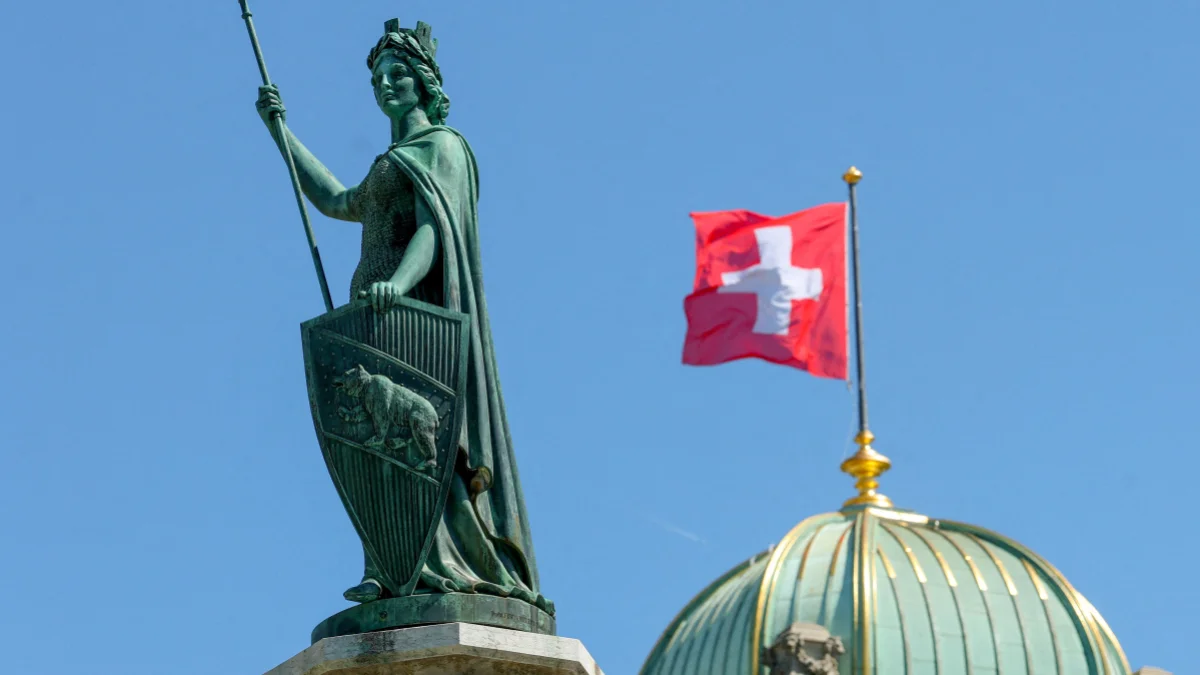
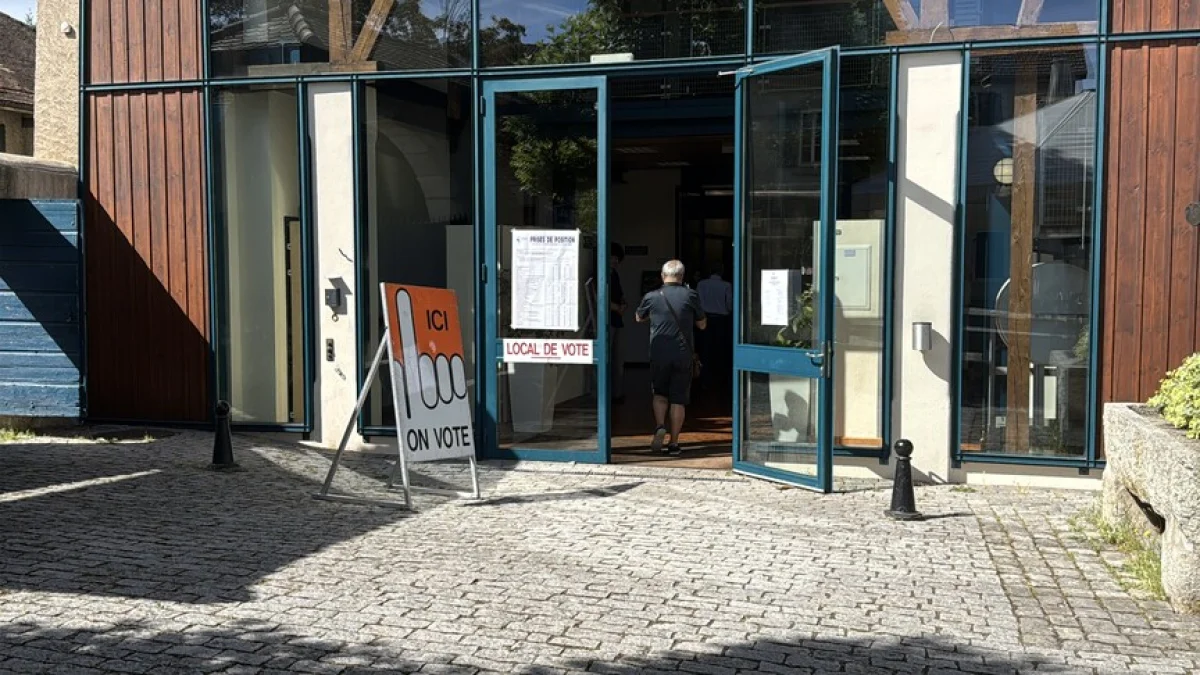
Swiss voters have overwhelmingly rejected proposals to impose a stricter interpretation of the country’s traditional diplomatic neutrality, according to official results reported by the BBC.
More than 70% voted against measures that would have prevented Switzerland from imposing sanctions without United Nations approval. The proposals would also have restricted the country’s ability to develop closer ties with the NATO military alliance.
Voters back sanctions policy
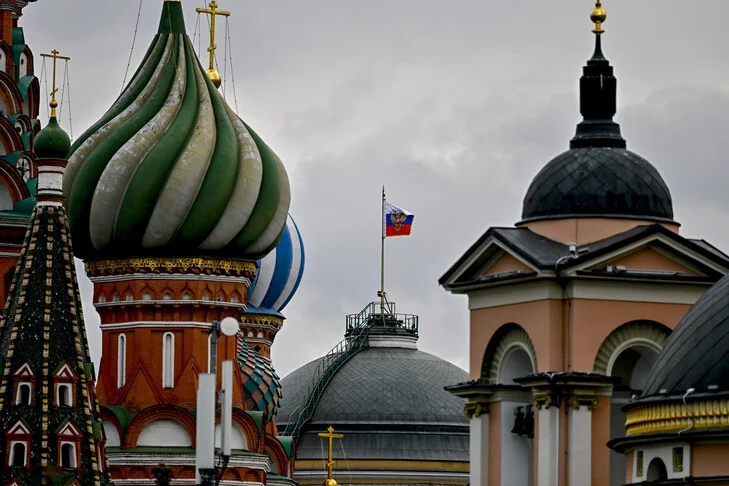
The debate over Switzerland’s centuries-old non-alignment has intensified since Russia’s full-scale invasion of Ukraine. Moscow openly supported the initiative, which was backed by the right-wing Swiss People’s Party and opposed by the federal government and all other major parties.
Lukas Golder, co-director of the research institute Gfs.bern, told Swiss public broadcaster SRF that voters had not rejected neutrality itself. Instead, he said, the result showed support for Switzerland’s sanctions policy against Russia.
“People have a clear idea of what Switzerland’s neutrality is supposed to achieve,” he said.
Foreign Minister Ignazio Cassis said in a recent televised debate that “neutrality has always been applied with a degree of flexibility”.
Switzerland has no plans to lift its ban on selling weapons to countries involved in conflicts, including Ukraine. However, Cassis stressed that “neutrality does not mean indifference” and said the country would “not look away when we see violations of the very international rules that allow us to live in peace”.
Switzerland’s historical neutrality
Switzerland’s permanent neutrality was internationally recognised in 1815 at the Congress of Vienna, held during a period of war and upheaval in Europe.
The policy was later defined under the 1907 Hague Convention, which prohibited Switzerland from supplying weapons to countries at war. The country previously rejected a German request for ammunition for tanks being sent to Kyiv.
Switzerland remained neutral during World War Two. It also accepted gold looted by Nazi Germany and, in an effort to avoid an invasion, turned away thousands of Jewish refugees. The country apologised for those policies in the 1990s.
Under Switzerland’s system of direct democracy, major political decisions are frequently put to voters in referendums.