 OMM Redaksiyası

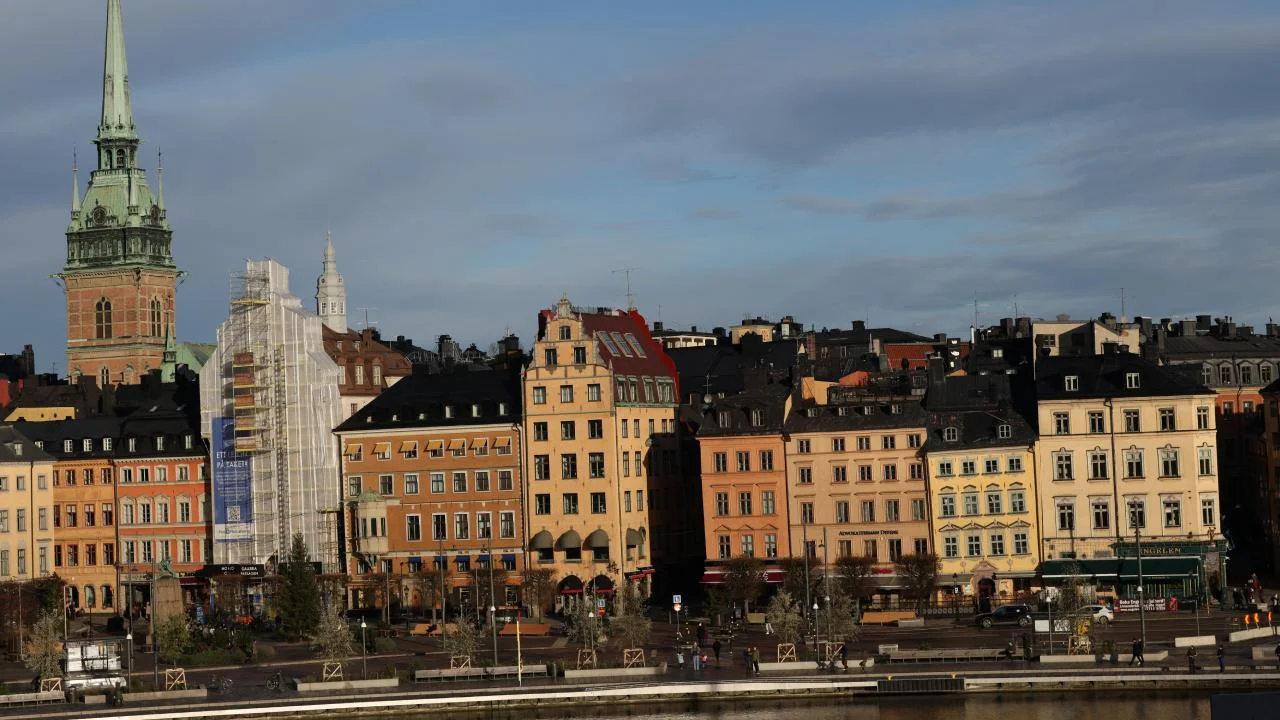
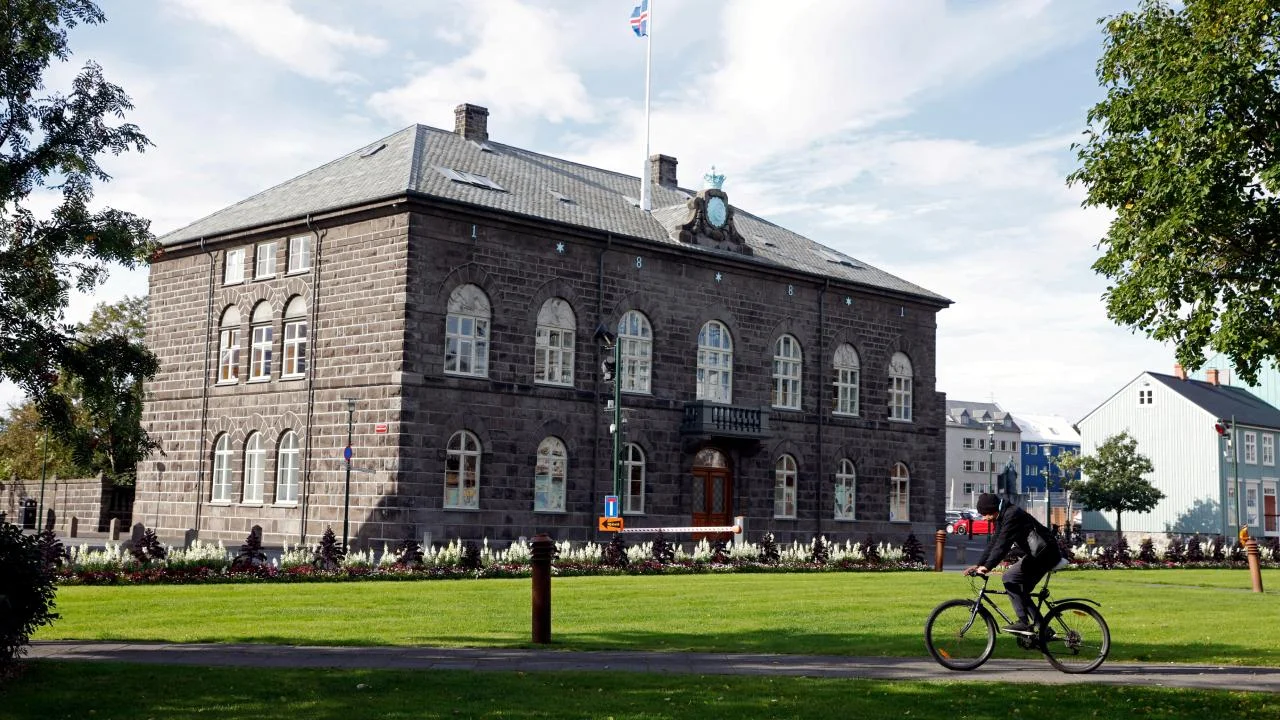
Sweden’s center-left opposition bloc has taken a narrow lead in the parliamentary election. After results from 6,195 of 6,312 electoral districts were counted, the bloc led by Magdalena Andersson was projected to win 176 seats in the 349-member parliament.
The right-wing bloc led by Prime Minister Ulf Kristersson is expected to secure 173 seats. The final result may be announced as early as Sept. 16, after votes cast abroad are counted.
Migration was a key election issue
Sweden’s tougher migration policy became one of the main issues in the election campaign. The government led by Ulf Kristersson has tightened social welfare rules, restricted the issuance of permanent residence permits to refugees and increased deportations.
Kristersson’s alliance has relied on the support of the Sweden Democrats, a right-wing party with roots linked to a neo-Nazi movement. Kristersson has said he would bring the party into government if the right-wing bloc secured a parliamentary majority.
Supporters of the party say a stricter migration policy has helped combat gang violence and reduce migration. Critics say the measures are excessively harsh and could threaten civil liberties.
Forming a government could prove difficult
Even if Andersson’s bloc wins the election, forming a stable government is unlikely to be easy. Differences exist within the bloc over issues including migration, taxation and expanding nuclear power.
Ulf Kristersson has not conceded defeat and said he would explore ways to form a government if the opportunity arose. “Even if tonight’s results stand, I will examine whether it is possible to create a functioning government coalition,” he said.
The election result is also being closely watched elsewhere in Europe. A strong performance by the Sweden Democrats could encourage other right-wing and anti-immigration movements across the continent.