 OMM Redaksiyası

South Africa’s new ambassador to the United States, Roelf Meyer, has rejected claims that white Afrikaners are facing genocide, telling the BBC that the allegations misrepresent the country’s security situation.
“I’m an Afrikaner from South Africa myself, and I can say that I’ve never experienced something of that kind,” Meyer said, according to the BBC. He added that his background gave him the legitimacy to challenge US President Donald Trump’s repeated assertions on the issue.
Meyer was one of the leading negotiators who helped end apartheid in the 1990s. He was appointed ambassador to Washington in April, after relations between the United States and South Africa deteriorated.
Trump administration expands refugee pathway
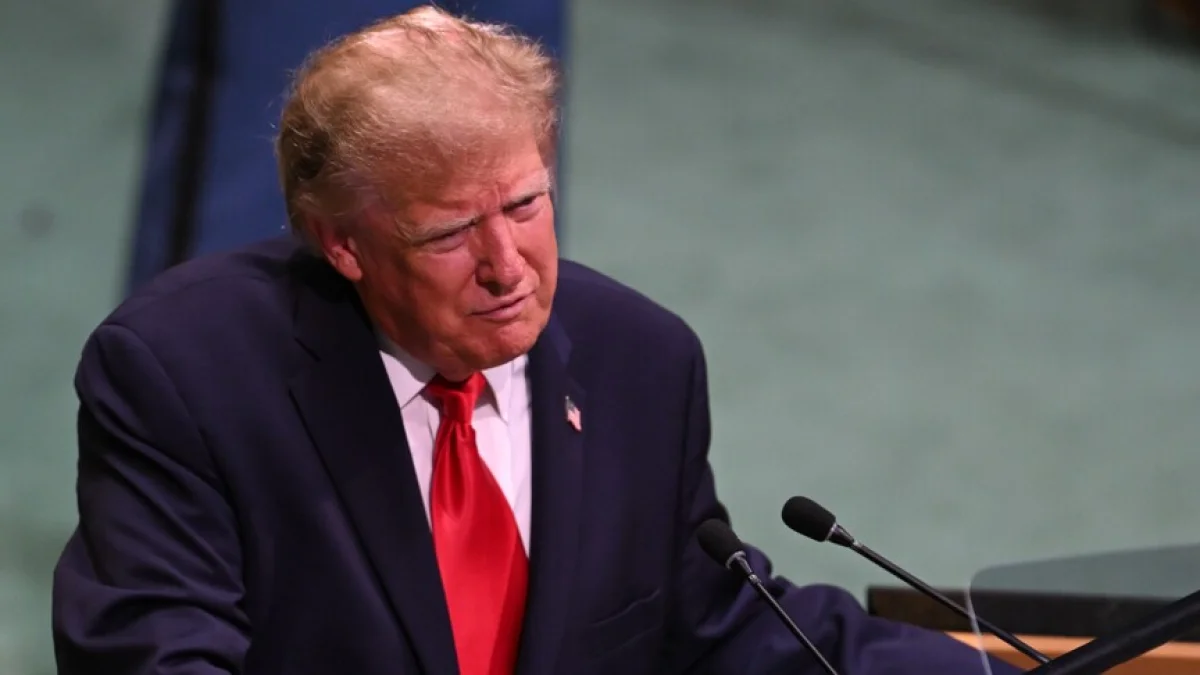
Trump accused South Africa of genocide against white people during a meeting with President Cyril Ramaphosa at the White House last year. His administration subsequently established a refugee pathway for Afrikaners.
Nearly 13,000 refugees have been admitted to the United States since last year, all but three of them from South Africa. The Trump administration has also notified Congress that it plans to admit up to 17,500 additional white Afrikaners over the next 12 months.
A White House spokeswoman told the BBC that Afrikaners were being “raped, maimed, killed and driven off their property across South Africa”. She said the administration would continue processing refugee applications because Trump had “a humanitarian heart”.
Some Afrikaners who have applied for the programme describe serious security concerns. Lielie, who moved with her family to Texas from a farm in South Africa, said she had seen people enter the property on three occasions and had lived in constant fear.
“Nothing was stolen, we weren’t harmed, but there are friends of my husband, people that lived around us, they were brutally attacked,” she said. She added that her family now felt safer in the United States and that her children could play outside.
Experts dispute genocide claims
Claims of genocide against white South Africans have been rejected by political parties across South Africa, including parties representing Afrikaners. Police data shows that most victims of crime in the country, including on farms, are black.
Farm violence, which is often linked to robbery, remains a security concern but accounts for a relatively small share of homicides in South Africa. Experts have said that widespread crime does not meet the legal definition of persecution.
Larry Bartlett, a former director of the US Refugee Assistance Programme, said it could be unlawful to use the refugee system for people who did not face a genuine inability to return home. He warned that the programme could reduce opportunities for people fleeing war or ethnic cleansing.
Rudi Swanepoel, a pastor from Johannesburg, said some Afrikaners were responding not to persecution but to a “loss of privilege” following the end of apartheid.
“Thirty, 40 years ago the white people of South Africa controlled the cake,” he said. “Since democracy came, the obvious reality was we had to now start sharing that cake and those privileges.”
Ambassador calls for focus on wider crime crisis
Meyer said the United States should help South Africa combat crime rather than focus exclusively on attacks in rural areas. He noted that serious violence affects the country as a whole, with crime in black townships representing a particularly significant concern.
He also rejected criticism of South African policies designed to address historic racial inequality, including employment targets and legislation that allows land expropriation without compensation in exceptional circumstances. The land law is awaiting a court ruling, he said.
Meyer called for Trump’s executive order underpinning the refugee pathway to be revoked, saying South Africa had never prevented people from leaving and had addressed US concerns.
“It doesn’t help us to raise a voice outside, if we are not committed to doing something inside the country,” he said, referring to Afrikaners holding protests in Washington featuring white crosses to commemorate alleged victims of farm attacks.