 OMM Redaksiyası

Average temperatures in Western Europe during June and July reached 21.62 degrees Celsius, exceeding seasonal norms by 2.79 degrees.
According to the Operative Information Center-OMM, this data was released by the European Union's climate monitoring service, Copernicus. The report highlights that July was recorded as the hottest month in history for oceans outside the polar regions.
Record-breaking temperatures across the Atlantic Ocean and the Western Mediterranean, exacerbated by the El Niño weather phenomenon developing in the Pacific, have negatively impacted marine ecosystems and coastal settlements. In Europe, where heatwaves have become increasingly severe, it is reported that more than 25,000 people have lost their lives due to causes related to extreme heat.
Experts note that aging infrastructure and insufficient access to air conditioning have significantly hindered efforts to combat these rising temperatures. France, Spain, Germany, and parts of the United Kingdom have recorded historic lows in precipitation and soil moisture levels.
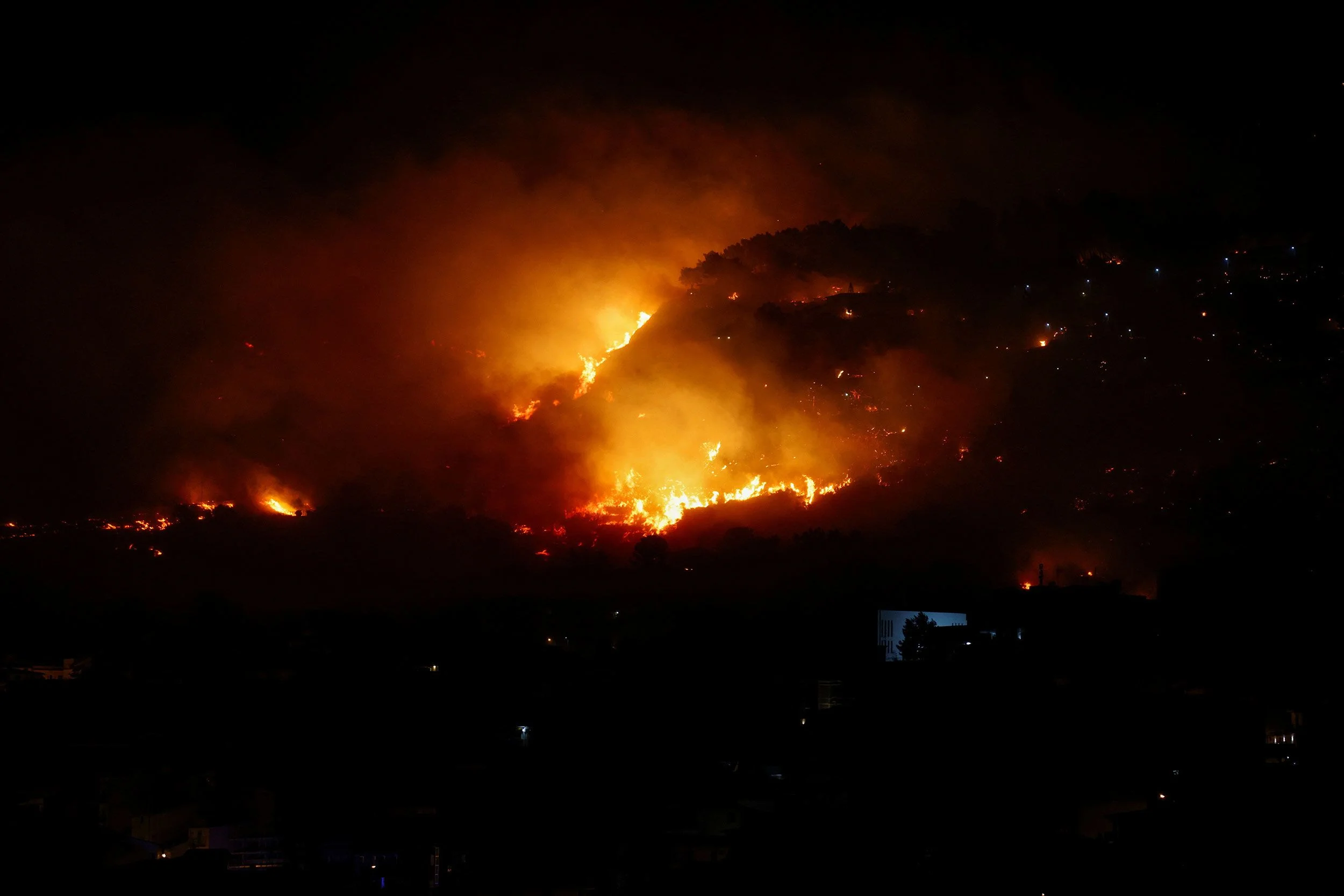
The extreme heat has also fueled widespread wildfires across the continent. In Spain, France, and Italy, more than 1.23 million acres of land have been scorched, forcing hundreds of thousands of residents to evacuate their homes. Furthermore, the drought has caused water levels in major rivers such as the Seine, Rhine, and Danube to drop significantly. The severe reduction in the Danube's water levels forced the temporary suspension of energy production at nuclear reactors in Hungary and Romania, which rely on the river for cooling.
The Copernicus Climate Change Service (C3S) plays a critical role in monitoring global climate patterns, providing essential data that helps policymakers and scientists understand the long-term impacts of climate change. These findings underscore the increasing urgency for European nations to modernize infrastructure and implement robust climate adaptation strategies to protect public health and critical energy resources.