OMM Newsroom

New Zealand’s governing coalition has fallen one seat short of a parliamentary majority after official results were released, following an election campaign shaped by a sluggish economy and voter disillusionment, according to the BBC.
The coalition now needs the support of the centrist Opportunity Party to remain in power. If the parties cannot reach an agreement, New Zealand may have to hold another election.
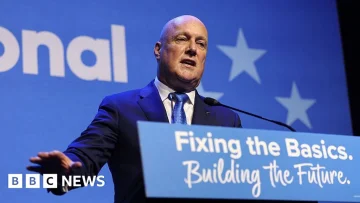
The National Party, led by Prime Minister Christopher Luxon, won 40 of the 130 seats. Its coalition partners ACT and New Zealand First secured 13 and 12 seats, respectively.
Official results released on Friday showed that a government led by the centre-left Labour Party would not have enough seats, even with support from Opportunity. Labour won 36 seats, the Greens took 17, and Te Pāti Māori, which represents Māori interests, secured five.
Opportunity won seven seats and has been described as the election’s kingmaker. Its leader, Qiulae Wong, has previously said the party will negotiate first with the party that wins the most seats.
Preliminary results on election day, 7 November, had projected a narrow lead for National and its coalition partners over the left-leaning bloc. The official count showed the coalition had lost two seats on special votes, cast by citizens who were overseas or outside their registered electorate on election day. Such votes typically skew left.
National’s key election pledges included lower taxes, cheaper energy, increased renewable generation and a greater focus on defence. Labour campaigned on cutting healthcare, public transport and fuel costs, and providing more government support for social housing, among other proposals.
In earlier interviews with the BBC, voters described frustration over rising living costs and high unemployment, as well as declining faith in political leaders.
“There’s this kind of apathy and a bit of dread,” said 21-year-old Imogen Vlutger.
A 40-year-old man said he did not vote because he could not bring himself to mark any of the boxes on the ballot paper.