OMM Newsroom
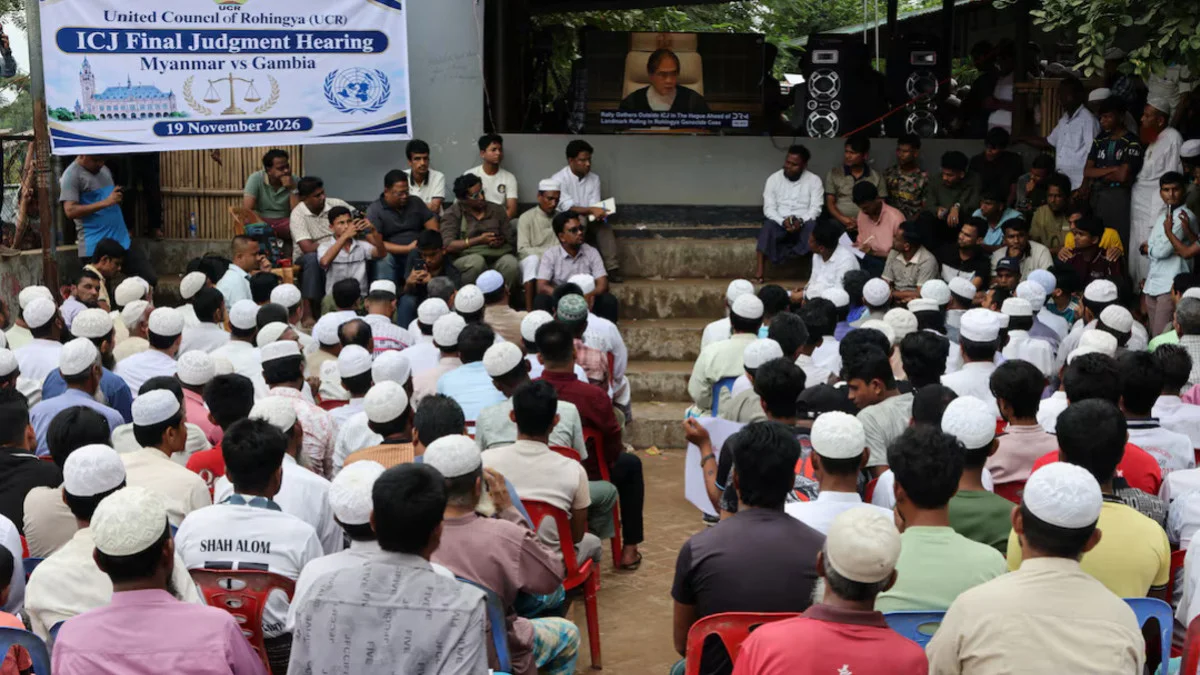
Myanmar’s military-backed president Min Aung Hlaing said the country’s administration would not fully implement rulings by the International Court of Justice (ICJ). The UN’s highest court found that Myanmar security forces committed genocide against the Rohingya minority in 2017, AnewZ reported.
The ruling, issued last week and described as historic, marked the first time the ICJ had held a state responsible for genocide. Although final, the court has limited powers to enforce its decisions.
The court found that thousands of people were killed, hundreds of villages destroyed and widespread sexual violence committed during the military’s operations against the predominantly Muslim minority.
Myanmar rejects the ruling
Speaking publicly for the first time since the ruling, Min Aung Hlaing rejected the judgment and said the genocide classification had damaged the country’s reputation.
According to state media, he said at a meeting on Wednesday: “Myanmar will take steps in line with what is expected of a responsible country, but will not comply with demands it considers inappropriate.”
The president’s administration did not specify which demands it would refuse to implement.
ICJ calls for accountability and compensation
The court ordered Myanmar to end ongoing violations of the Genocide Convention and to investigate, prosecute and punish individuals credibly suspected of involvement in the 2017 military operations.
Myanmar must also take steps to prevent such violations from recurring, facilitate the return of displaced Rohingya, help restore lost property, take steps to locate missing people and provide rehabilitation support to survivors.
Under the ruling, the country must protect the minority from discrimination and persecution and compensate victims for harm that cannot be remedied by returning property. Myanmar must submit a report within two years on the measures it has taken, including proposed compensation.
Myanmar has said its military operations in northern Rakhine State from 2016 to 2018 were counterterrorism measures targeting an armed group. The country’s Ministry of Foreign Affairs previously said the operations “were not carried out with genocidal intent, were limited in scope and duration, and lasted only a few days.”
More than 730,000 Rohingya were forced to flee Rakhine State for neighboring Bangladesh as a result of the 2017 military intervention. About 1.2 million Rohingya refugees now live in camps in Bangladesh.