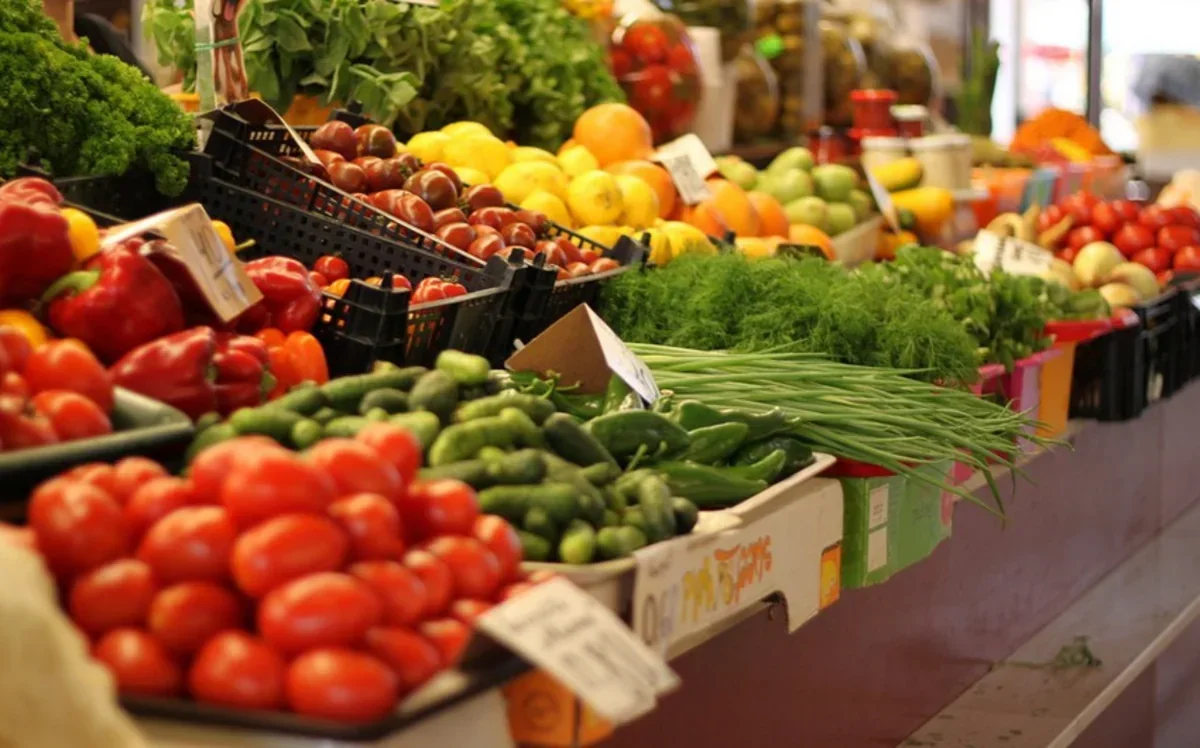
A minimum price mechanism should be introduced in Azerbaijan’s agricultural sector, lawmaker Ali Masimli said.
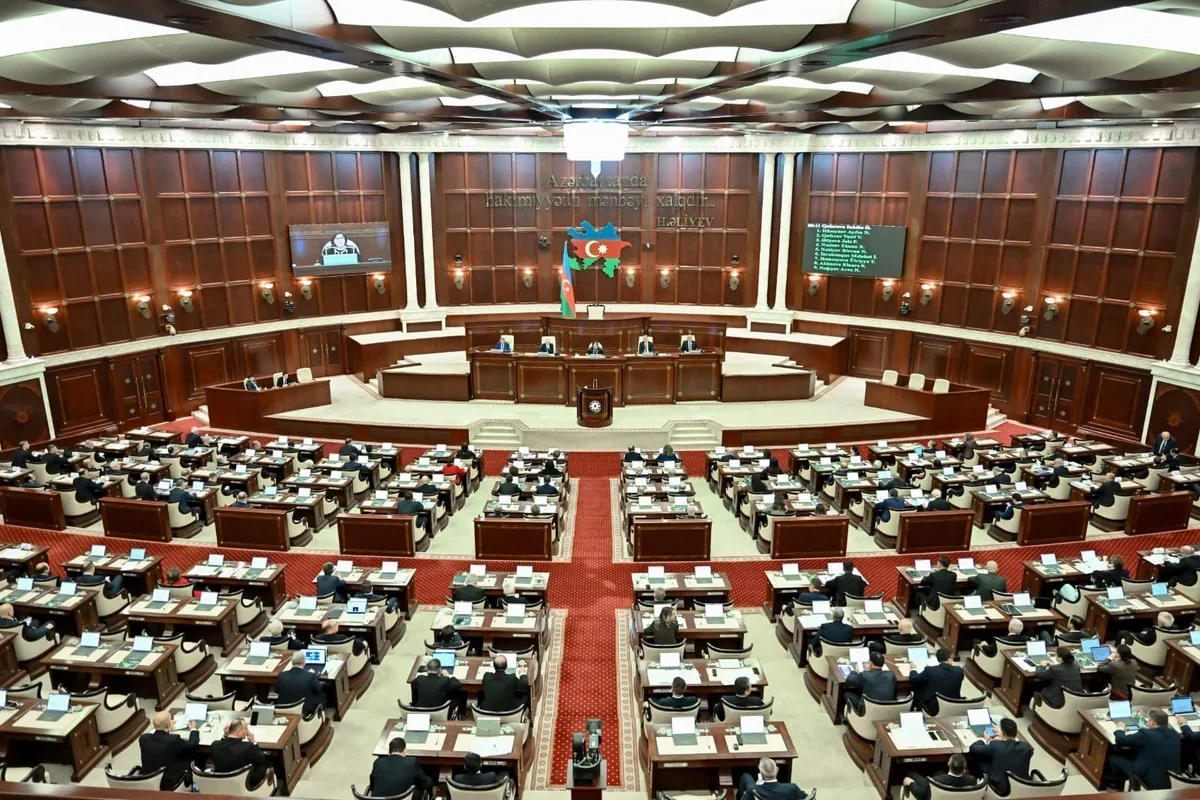
Operative Information Center-OMM reports that Masimli made the remarks at the first plenary meeting of the Milli Majlis (National Assembly) during its autumn session.
He said the current situation in hazelnut farming in the Sheki-Zagatala region was causing concern among farmers. “Prices have fallen by up to half, while pests have also caused significant damage to farms. Some farms are generating no income at all, or only very limited income. This is negatively affecting families’ livelihoods. Therefore, I believe legislation should provide for insurance of production costs and a floor-price mechanism guaranteeing minimum profitability. This would be a highly reliable mechanism for preventing bankruptcies in the sector. At the same time, it would be better if financial support for farmers were provided at the initial stage rather than when the harvest is collected. It is very important that this also be reflected in legislation,” he said.
Masimli also said a new law “On the protection of consumer rights” should be adopted. “The current law was adopted 31 years ago. Its implementation mechanisms are very weak, and we believe that this weakness leads to serious violations of the law in practice. For example, citizens have the right to return or exchange a product within 14 days of purchase. Unfortunately, many citizens are unable to exercise this right. I could also cite numerous examples related to poor food quality and other issues. Based on what we have said, it would be highly advisable to adopt a new law meeting modern requirements, following comprehensive justification and research, so that protecting consumer rights becomes a key priority at the state level,” he said.
A minimum price, or floor-price, mechanism generally establishes a lower limit for the sale of a product. In agriculture, such mechanisms are intended to reduce the impact of sharp price declines, protect producers from losses and provide greater predictability for farming households, while their design must also take market conditions and consumer interests into account.