 OMM Redaksiyası

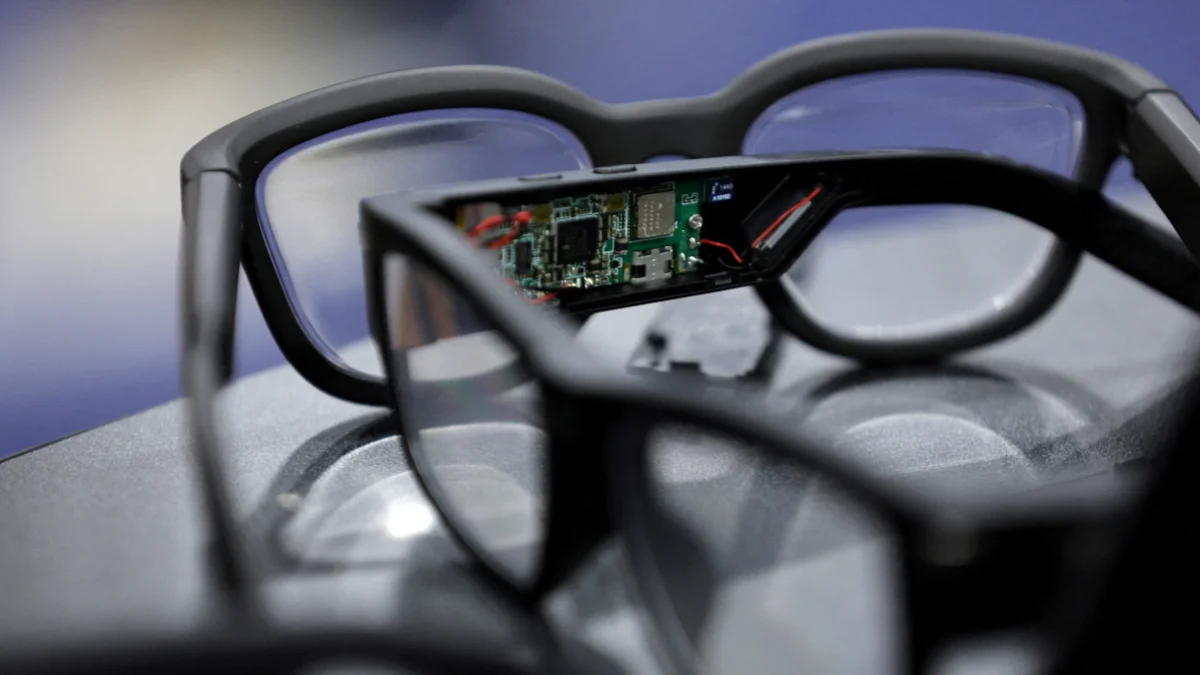
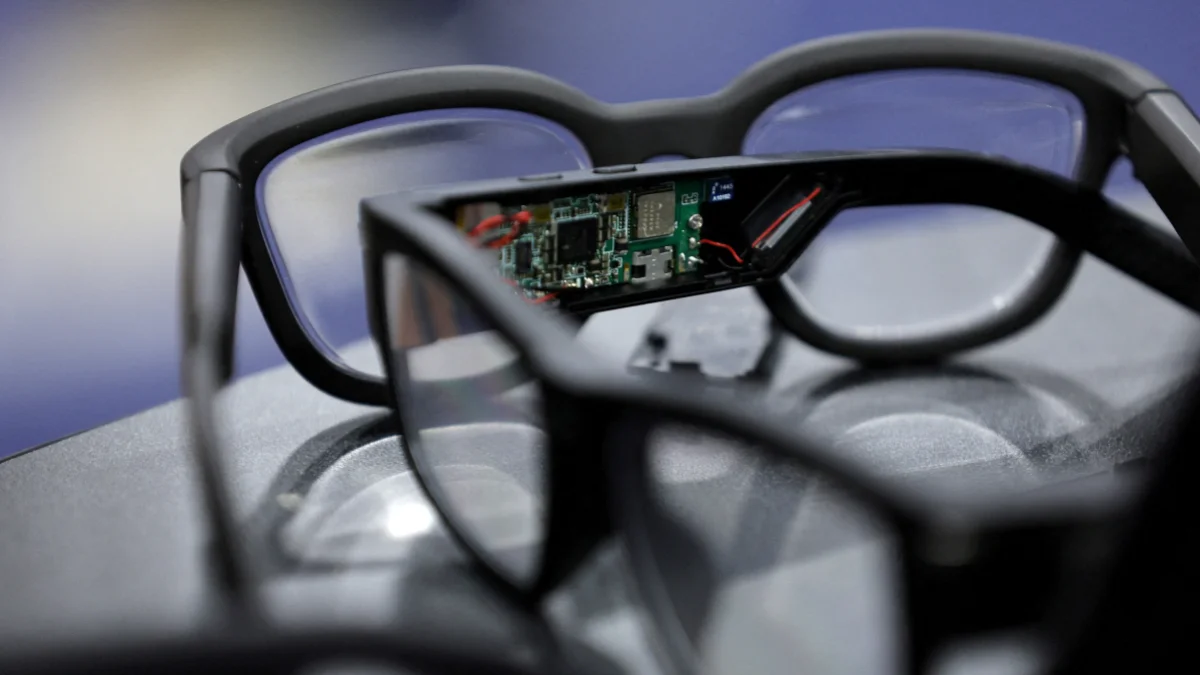
Meta is introducing a camera-free version of its smart glasses as privacy concerns continue to fuel a backlash against camera-equipped wearables, according to the BBC.
The new product, called “Ray-Ban Meta Audio”, retains the audio features of the original glasses, including phone calls, music playback and voice-activated functions. Sound is directed into the wearer’s ears through open speakers built into the frames.
Meta says the audio-only glasses have been in development for two years and were not rushed out in response to criticism. They are cheaper than the camera-equipped models and have a lighter frame and improved battery life.
Privacy concerns surround camera-equipped glasses
Meta’s smart glasses have faced criticism after reports that some users filmed women and girls without their consent and shared the footage online. The devices have been labelled “pervert glasses” and “creepy glasses” by critics.
Several venues and organisations in the UK, including JD Wetherspoon pubs, theatres, Comic-Con, some schools and Faslane, home to the UK’s nuclear submarines, have banned the glasses.
The camera models include a white LED that lights up when recording is active. Meta says fewer than 0.1% of the frames it has sold worldwide have been physically modified to disable the indicator.
Exact sales figures have not been disclosed, but Ray-Ban’s parent company EssilorLuxottica reported selling seven million units last year.
Audio features offer practical uses
The glasses can connect to a smartphone through Bluetooth and Meta’s AI app. Users can listen to music and podcasts, make calls and receive spoken navigation instructions while keeping their phone out of sight.
Smart glasses have also attracted interest from content creators and professionals who see potential uses in documenting work, recording training material and capturing activities hands-free.
Members of the blind community have described the technology as transformative because it can provide audio descriptions of surroundings and read visible text, including restaurant menus. Meta donated 15,000 pairs to a charity for blind people in Ireland earlier this year.
Camera technology remains central to industry plans
Technology analysts are divided over whether the camera-free model represents a change in Meta’s long-term strategy. Janusz Swierczynski of Oxford University’s Saïd Business School called its release a positive response to privacy concerns, although the camera models remain on sale.
Ben Wood of CCS Insight said cameras were likely to remain central to smart glasses because they allow artificial intelligence systems to gather information from the wearer’s surroundings.
Other technology companies are also developing smart glasses. Samsung is reportedly working with Warby Parker, while Google is said to be developing its own product. Snap has launched “Specs” in the United States for $2,195 and in the UK for £1,995.
Meta plans to bring a third generation of its camera-equipped glasses to the UK next month. The new model will be able to display visual information inside the lenses.
Analyst Kate Winick of Forrester described the camera-free product as a “half step to the side”, suggesting it could give users time to become comfortable with smart-glasses technology. She also said it might reduce hostility towards camera-equipped models by making clear that not all Meta glasses contain cameras.
Companies seek ways to address privacy fears
Some manufacturers are attempting to improve privacy protections without removing cameras. HTC’s “Vive Eagle” glasses can deactivate recording if their microphones detect someone saying “stop filming” or “stop recording”.
HTC says recordings made by the glasses are encrypted and cannot be viewed by the company, although this also prevents it from identifying harmful content.
Analysts say camera-equipped smart glasses are unlikely to disappear. The industry will instead need to establish social rules and safeguards governing how the devices are used in public.