OMM Newsroom

German Chancellor Friedrich Merz backed U.S. President Donald Trump’s call for Russia to end hostilities on Nov. 26 on the sidelines of the EU summit in Brussels. He also said members of the “Coalition of the Willing” agree that Ukraine will need long-term security guarantees after a peace agreement. RBC-Ukraine reported the remarks, citing Der Spiegel.
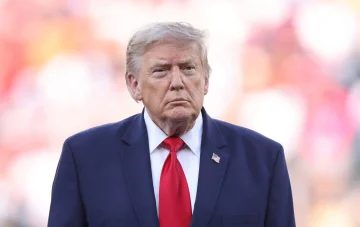
According to the publication, Merz has rarely praised Trump during his presidency. “I was pleased to see President Trump address Russia today and call on Putin to end hostilities. It is good that he is doing this. He is taking a clear position that we all share,” the chancellor said.
Merz said Trump had called on Putin to end all “military aggression” in Europe. Earlier, the U.S. president wrote on Truth Social about his meeting with Putin in China last week.
Merz also said members of the “Coalition of the Willing” believe Ukraine needs long-term security guarantees after a peace agreement, comparable to Article 5 of the North Atlantic Treaty, which provides for collective defense. “We in the Coalition of the Willing also agree with the Americans on this issue,” he added. Merz said it was too early to say what form the guarantees would take, and that their specific details remained unclear.
On the evening of Nov. 25, Trump met NATO Secretary General Mark Rutte at Mar-a-Lago. After the meeting, they issued a joint statement on the importance of Russia avoiding actions that would widen the war. Several hours later, Trump edited the text on Truth Social, adding Ukraine to the wording. Politico reported that the first version had been officially agreed.
Trump later wrote that he had spoken extensively with Putin about ending all military aggression against territories across Europe.
Security guarantees were discussed amid negotiations in November. On Nov. 19, Trump’s special envoy Jared Kushner said Russia had agreed to security guarantees for Ukraine modelled on NATO’s Article 5. He later clarified that Trump would have to approve such guarantees and that Congress would do so only if it deemed them consistent with U.S. interests.
Analysts at the Institute for the Study of War (ISW) assessed that implementation of the U.S. plan could be delayed indefinitely.