OMM Redaksiyası

Israel’s relations with some of its traditional Asian allies have become more strained during the war in Gaza, while countries across Asia and the Pacific have taken differing positions on the conflict and Palestinian statehood.
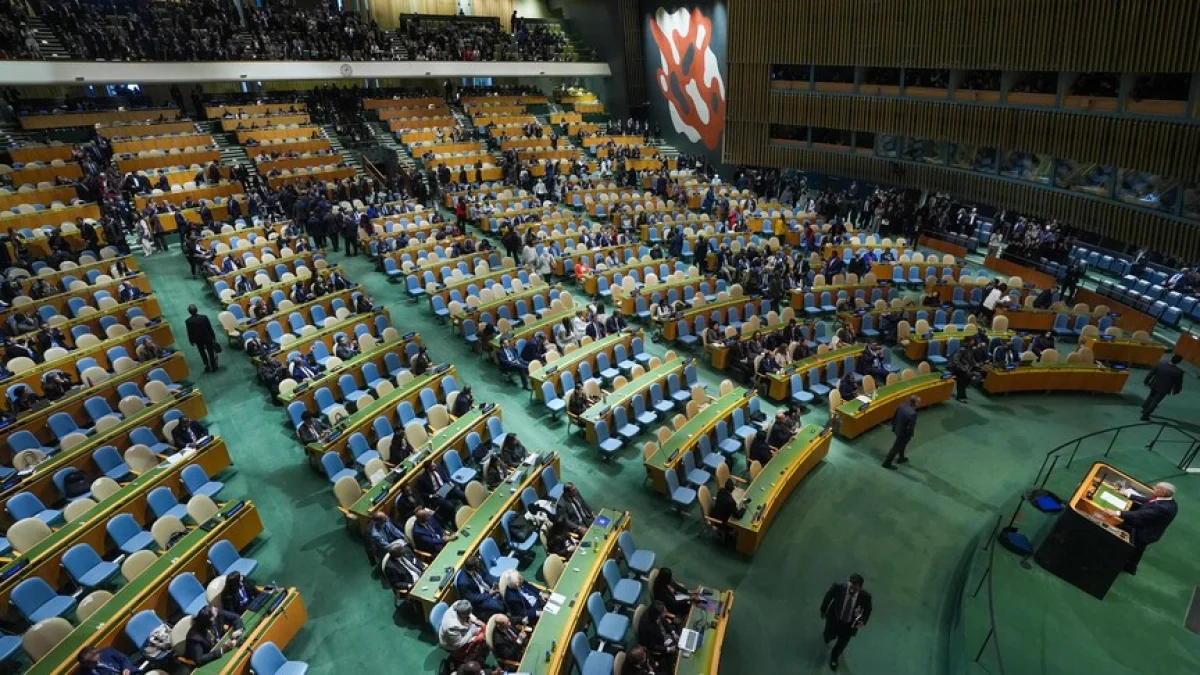
At the United Nations General Assembly late last month, many delegates left the hall during Israeli Prime Minister Benjamin Netanyahu’s speech. Representatives from Pakistan, Malaysia, Indonesia and Bangladesh were among those who departed.
Japan and South Korea criticise Israel
Japan’s Prime Minister Sanae Takaichi reaffirmed Tokyo’s support for the International Criminal Court (ICC) at the UN General Assembly, despite pressure from the United States. She said Japan took “very seriously” US sanctions against ICC President Tomoko Akane, who sought an arrest warrant for Netanyahu over alleged war crimes in Gaza.
Washington sanctioned Akane, the first Japanese national to lead the ICC, in August, accusing the court of infringing on national sovereignty.
Relations between Israel and South Korea also came under strain after South Korean President Lee Jae Myung shared a video online alleging that Israeli soldiers abused a Palestinian child and threw him from a rooftop. Lee called for the video’s authenticity and the actions taken to be examined, and compared wartime killings with other historical atrocities.
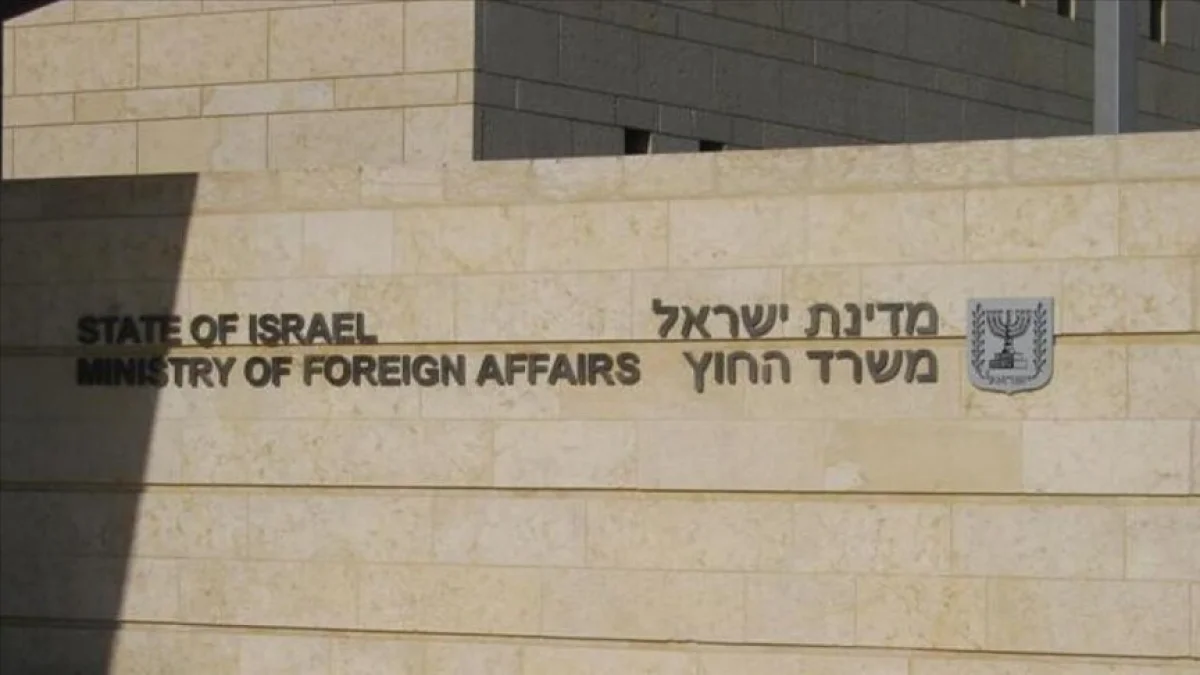
Israel’s Foreign Ministry called Lee’s post “unacceptable”, saying he had relied on a “fake account” and raised an incident from 2024 that had already been investigated. The ministry also accused him of trivialising the Holocaust ahead of Israel’s Holocaust Remembrance Day.
China, which has long backed a two-state solution, continued to support that approach. President Xi Jinping described it as the “right direction” for resolving the Palestinian issue.
South Asia and the Pacific take varied approaches
Sri Lanka, among the first countries to recognise the State of Palestine, called at the UN for Gaza’s early recovery and reconstruction. Foreign Minister Vijitha Herath said Colombo supported Palestinians’ “inalienable” rights and a resolution based on the 1967 borders.
Pakistan reiterated its “unwavering” support for Palestinians and an independent Palestinian state based on the pre-1967 borders, with East Jerusalem as its capital. Addressing the General Assembly, Prime Minister Shehbaz Sharif also called for Palestine to receive full UN membership.
India has continued to support a two-state solution and Palestinian statehood while strengthening strategic ties with Israel. In February, Prime Minister Narendra Modi and Netanyahu agreed to elevate relations to a “Special Strategic Partnership”. Political analyst Jatin Desai said India had historically supported the Palestinian people, including before Israel was established.
Thailand, which established diplomatic relations with Israel in 1954 and recognised Palestine in 2012, continues to cooperate with Israel in areas including agriculture and education. About 100,000 Israeli tourists visit Thailand each year, while thousands of Thai workers are employed in Israel.
In January, US President Donald Trump invited Australia, Vietnam and Thailand to join the Gaza Board of Peace. Australian Prime Minister Anthony Albanese said his government would consider the proposal through its usual processes, while Thailand said it was reviewing the details. Vietnam’s Communist Party General Secretary To Lam accepted the invitation and said the country was ready to participate as a founding member.
New Zealand has said recognition of Palestinian statehood is “inevitable”. Former Foreign Minister Winston Peters said his 2025 decision not to join most UN member states in recognising Palestine reflected an independent foreign policy, but added that recognition was a matter of when, not if.
Several Pacific island states remain supportive of Israel in international forums and do not recognise Palestine. Fiji opened an embassy in Jerusalem in September 2025 and abstained in a UN vote on a two-state solution days earlier. Papua New Guinea opened an embassy there in September 2023 and has repeatedly opposed calls for a UN ceasefire.
Nauru recognised Jerusalem as Israel’s capital in 2019 and voted against a resolution supporting a two-state solution last September. Palau and Micronesia have consistently voted alongside Israel at the UN. Samoa abstained in the same September vote and has not recognised Palestine.
Vanuatu, the Marshall Islands, Kiribati, the Solomon Islands, Tuvalu and Tonga maintain diplomatic relations with Israel, regularly support it at UN forums and do not recognise Palestine. Tonga and Israel signed a visa-waiver agreement in 2010; Vanuatu and the Marshall Islands have consistently backed Israel in UN votes.