OMM Redaksiyası

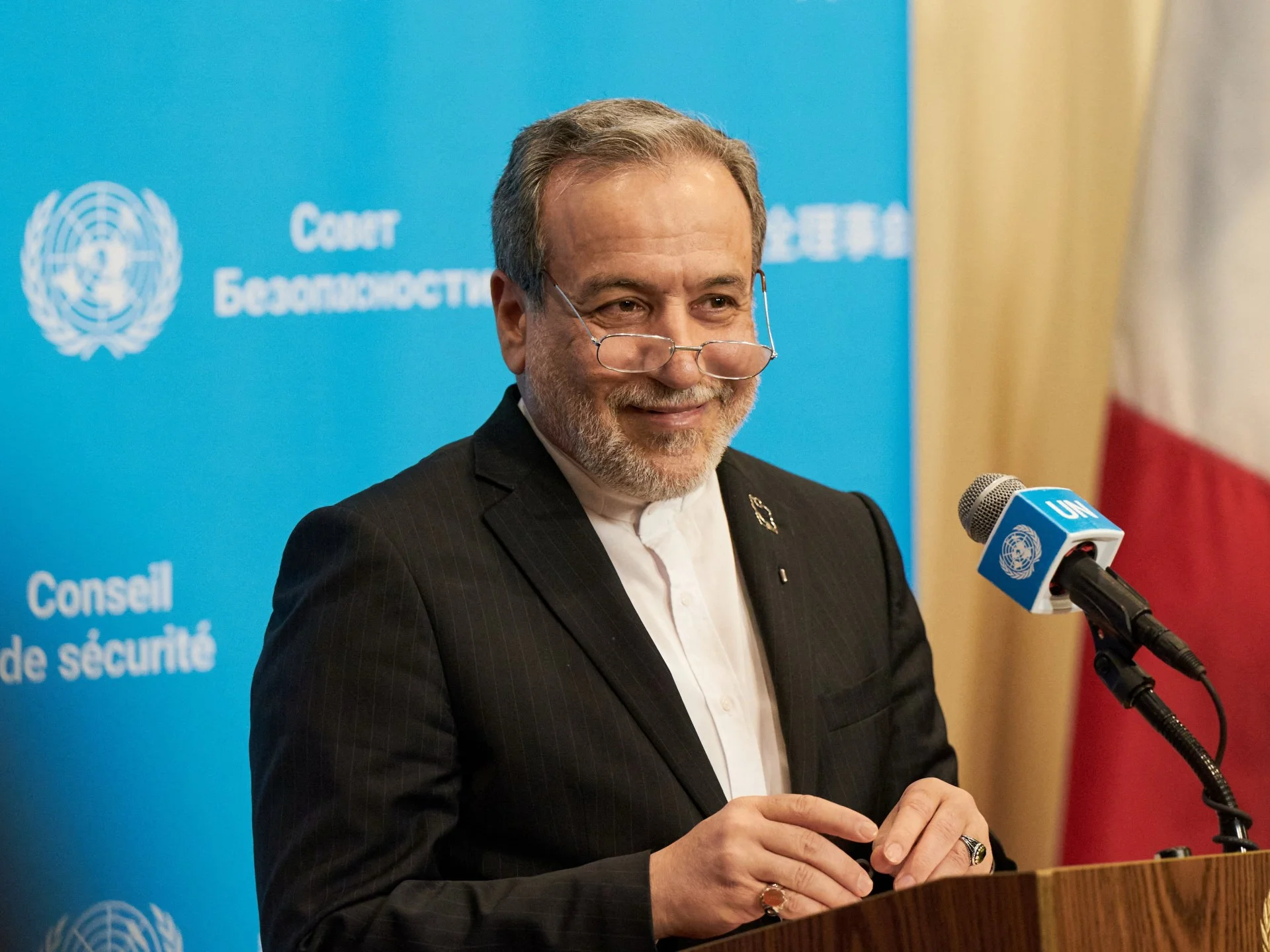
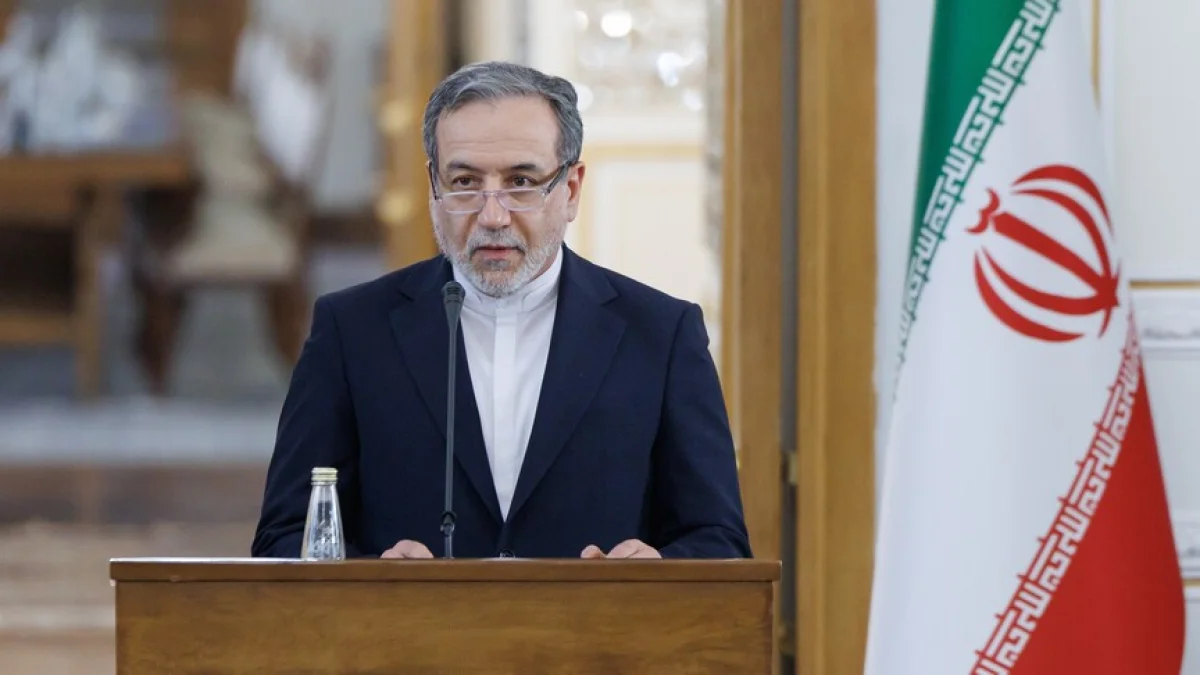
Iranian Foreign Minister Abbas Araghchi has received the US response to a proposal conveyed through Qatari mediation, government spokesperson Fatemeh Mohajerani said on Wednesday, according to state broadcaster IRIB.
Mohajerani did not disclose the contents of Washington’s response or say what Tehran’s next step would be.
Meanwhile, Iranian President Masoud Pezeshkian said Tehran was making every possible effort to ensure the success of the Islamabad Memorandum of Understanding, the Iranian Students News Agency (ISNA) reported.
He said explaining the benefits of negotiations and the results achieved should not be viewed as submission to Iran’s adversaries, but as an exercise in transparency.
Pezeshkian added that Iran had not compromised its principles in any provision of the Islamabad memorandum. He called the agreement “a source of pride” and “a decisive and highly influential document” in Iran’s history.
Proposal concerns Strait of Hormuz
The development follows Araghchi’s remarks on Monday that Qatari mediators would present Washington with new ideas discussed with Tehran on meeting Iran’s conditions for reopening the Strait of Hormuz. He said he expected the US response to be relayed to Iran after the consultations.
Iran has said its conditions include an end to US military and economic pressure, the release of frozen or restricted Iranian assets and an agreement on a safe shipping route. Tehran conveyed those conditions to Washington through Qatar during a two-hour exchange on the sidelines of last week’s UN General Assembly.
Iran has kept restrictions on the Strait of Hormuz in place while demanding that Washington fulfil commitments under a June memorandum of understanding. Tehran says the waterway will not fully reopen until its conditions are met and US commitments are implemented.
Earlier conflict and stalled agreement
In February, the US and Israel launched a war against Iran. Tehran responded with attacks on Israel and US targets in the region before a ceasefire agreement was reached in April.
Washington and Tehran later signed a memorandum of understanding in June concerning freedom of navigation in the Strait of Hormuz. Its implementation stalled, however, because of disagreements over security in the strategic waterway.