 OMM Redaksiyası

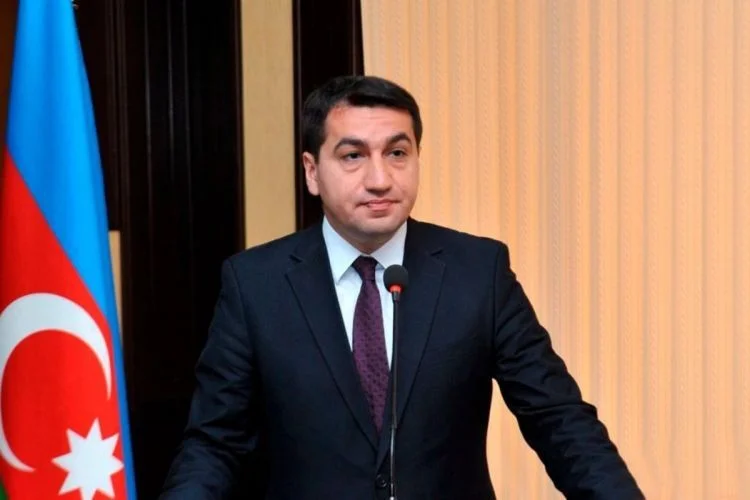
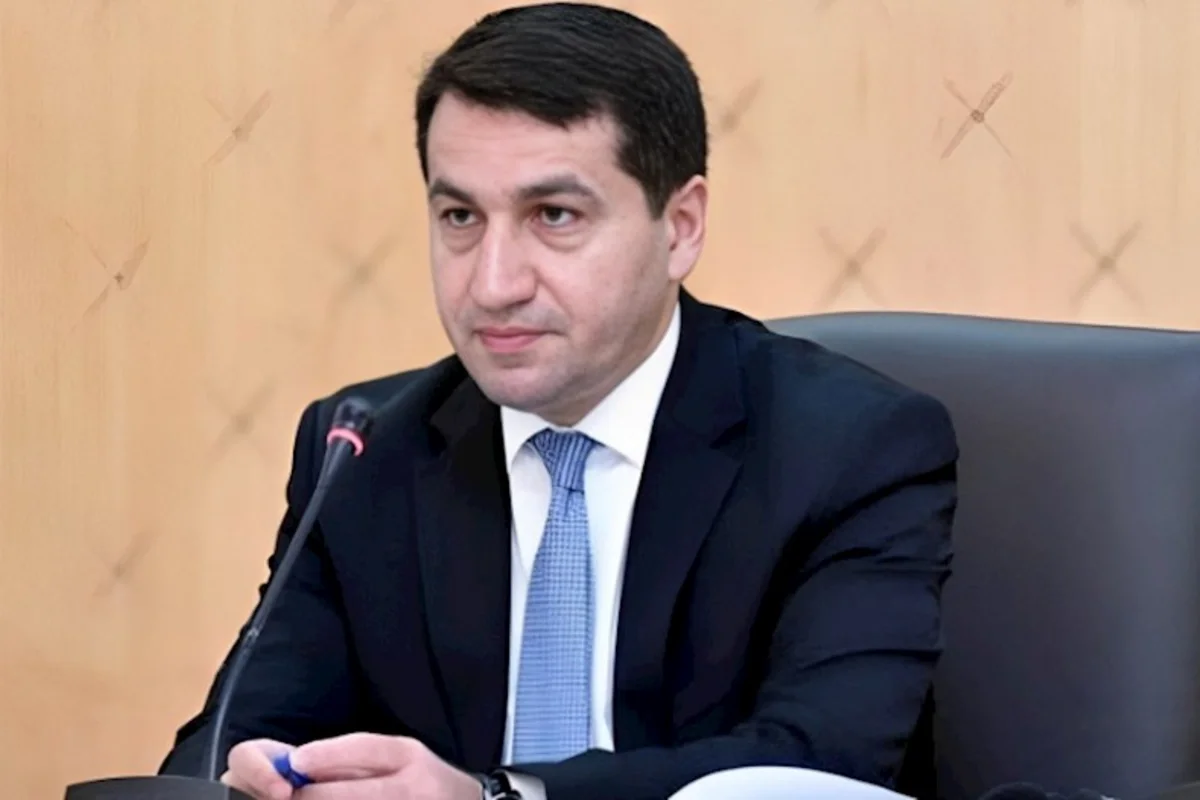
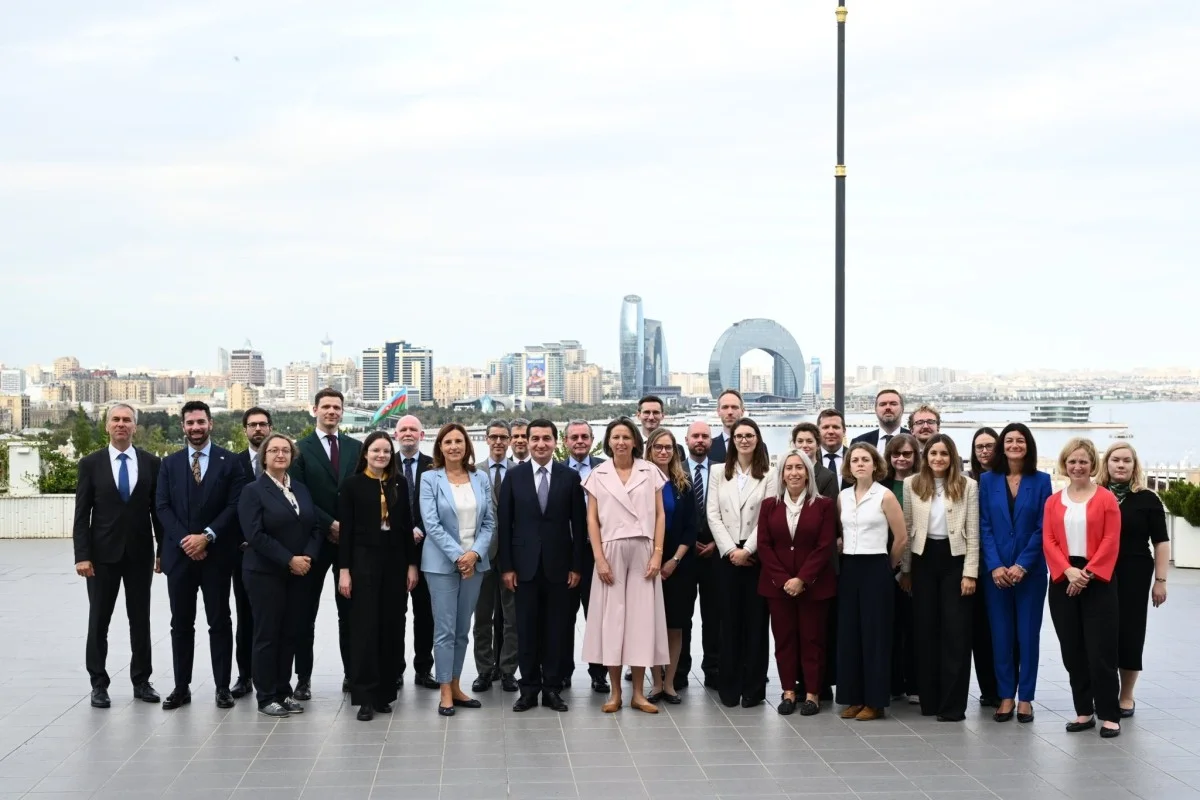
Azerbaijan and Armenia can sign a final peace agreement after territorial claims against Azerbaijan are removed from Armenia’s constitution. Hikmat Hajiyev, an aide to President Ilham Aliyev and head of the Foreign Policy Affairs Department of the Presidential Administration, made the remarks on Oct. 2, the second day of the CAMCA 2026 Regional Forum in Baku.
“We are waiting for one final step — amendments to the provisions in Armenia’s constitution concerning territorial claims against Azerbaijan. I believe the final peace agreement will become a reality after that,” Hajiyev said.
He said peace and security had been established in the South Caucasus, but that ensuring their durability was important. Hajiyev said the long-running conflict between the two countries had been resolved, adding that Azerbaijan’s policy of “strategic patience” and its leadership had contributed to this outcome.
“We always said that we had won the war, but it was important to take one more step — to win the peace,” he said, describing the task as “extremely difficult.”
Ties with the US and other powers
Hajiyev expressed confidence that future US administrations would continue to develop relations with Baku. He said Azerbaijan expected Washington to focus on the peace agenda and engage with the region within that framework.
Over the past two years, Azerbaijan has built strong strategic partnerships with several major powers, including the United States, China and the European Union, Hajiyev said. He noted that the summit held in Washington on Aug. 8, 2025, was not devoted solely to the Azerbaijan-Armenia peace agenda: Baku had also used the opportunity to elevate relations with the United States to a “qualitatively new strategic level.”
Hajiyev said Azerbaijan had faced challenges under previous US administrations, which had not paid sufficient attention to the South Caucasus and the Caspian region. Baku had wanted the United States to return to the region in a role commensurate with its importance, he said.
He also said Azerbaijan had established a comprehensive strategic partnership with China at the regional level and was working to put the cooperation into practice.
Transport links with Central Asia
Hajiyev welcomed the unanimous decision by Central Asian states to admit Azerbaijan to the Consultative Meeting of Heads of State in the C5+1 format.
He said cooperation covered the economy, trade and business, while transport connectivity was one of its main areas. “Like the Central Asian countries, Azerbaijan is also landlocked. That is why we are actively working to establish new transport links,” Hajiyev said.
In his view, working with partners from Central Asian countries could make it possible to fundamentally reshape the transport and communications architecture on the basis of these parameters.