OMM Newsroom
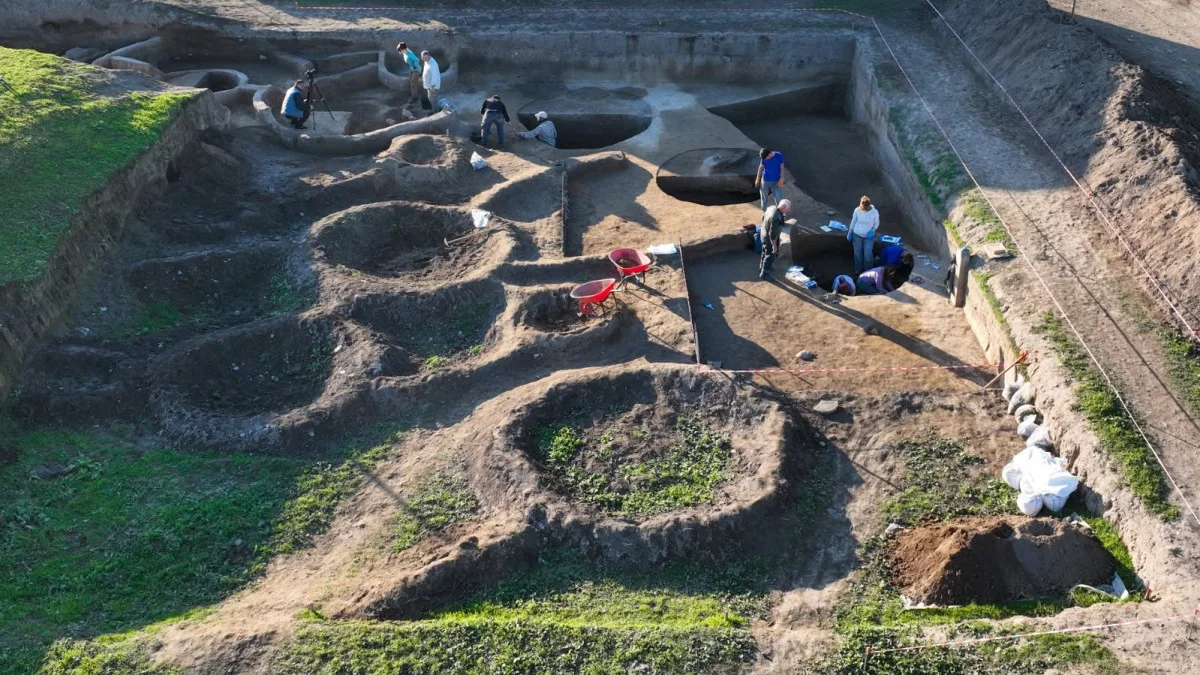
A burial site believed to date to the Neolithic period has been discovered in Georgia for the first time. The grave contained the remains of a young child. The country’s National Agency for Cultural Heritage Preservation announced the discovery on Nov. 25, AnewZ reported.
The Stone Age grave was uncovered at Mashavera Gora in southern Georgia, considered one of the region’s important Neolithic archaeological sites. The agency said no burials dating to this period had previously been found at archaeological sites in Georgia.
Further research is needed to determine the full scientific significance of the discovery.
The site offers insight into Neolithic settlement
Mashavera Gora is one of the significant sites of the internationally recognized Shulaveri-Shomutepe culture. This farming society existed in the South Caucasus in the sixth millennium BC.
Artifacts found at the site provide information about the society’s daily life and level of development, the agency said. The site also contains medieval cultural layers, indicating that people lived there over an extended period.
Excavations are being conducted by a team from the Georgian National Museum with financial support from the cultural heritage agency.
Less than two weeks before this discovery, archaeologists found a place of worship near the Nagzauri monastic complex in southeastern Georgia. The site is west of the complex, which is believed to date from the fifth to eighth centuries.