OMM Newsroom

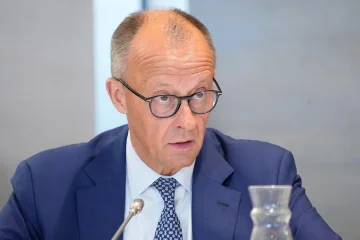
EU leaders failed to agree on the bloc’s long-term budget for 2028-2034 at a summit in Brussels. German Chancellor Friedrich Merz said the next attempt to reach an agreement would take place at the European Council summit on Dec. 17-18, RBC-Ukraine reported.
Merz said the negotiating parties’ positions on the budget differed substantially. Bringing them closer together would take time and political will, he said. The discussions lasted as long as expected, the chancellor added.
The head of the German government said Berlin’s approach to the negotiations was based on two principles. Public finances in many EU countries are far from ideal, so national budgets must remain sustainable and the European Union should not take on commitments it cannot finance. Merz also called for monitoring debt levels and ensuring the stability of the euro.
The second principle, the chancellor said, was the need to strengthen Europe’s economy and its capacity for self-defence. He linked this to the war in Ukraine and risks to shared security. Merz said there was still no final agreement partly because leaders had not reached a common understanding of the limits on budget growth or how spending should be fairly distributed.
Merz said Germany contributes about a quarter of the EU budget but receives about 8% of its funds in return. Germany’s share of the EU Cohesion Funds is even smaller, he said. The chancellor described adjusting contributions as a matter of fairness and called for prioritising the strengthening of Europe’s economy and security.
A reserve is needed for these purposes, including long-term financing for Ukraine, Merz said, adding that every country should contribute. He also advocated making decisions by qualified majority vote.
The German chancellor called on the EU not to take on new debt. The bloc has already accumulated substantial debt through its NextGenerationEU programme and aid to Ukraine, he said. Interest payments are expected to exceed 150 billion euros over the next seven-year multiannual financial framework.
Merz also noted that elections will be held next year in several large and medium-sized European countries, which could make it more difficult for the European Council to adopt a new multiannual financial framework later. He said countries were seeking an agreement by the end of the year and expressed hope that negotiations on Dec. 17 would succeed.
Merz previously threatened to block approval of the next seven-year EU budget unless all member states agreed to support Ukraine.