 Afət Ziyadqızı

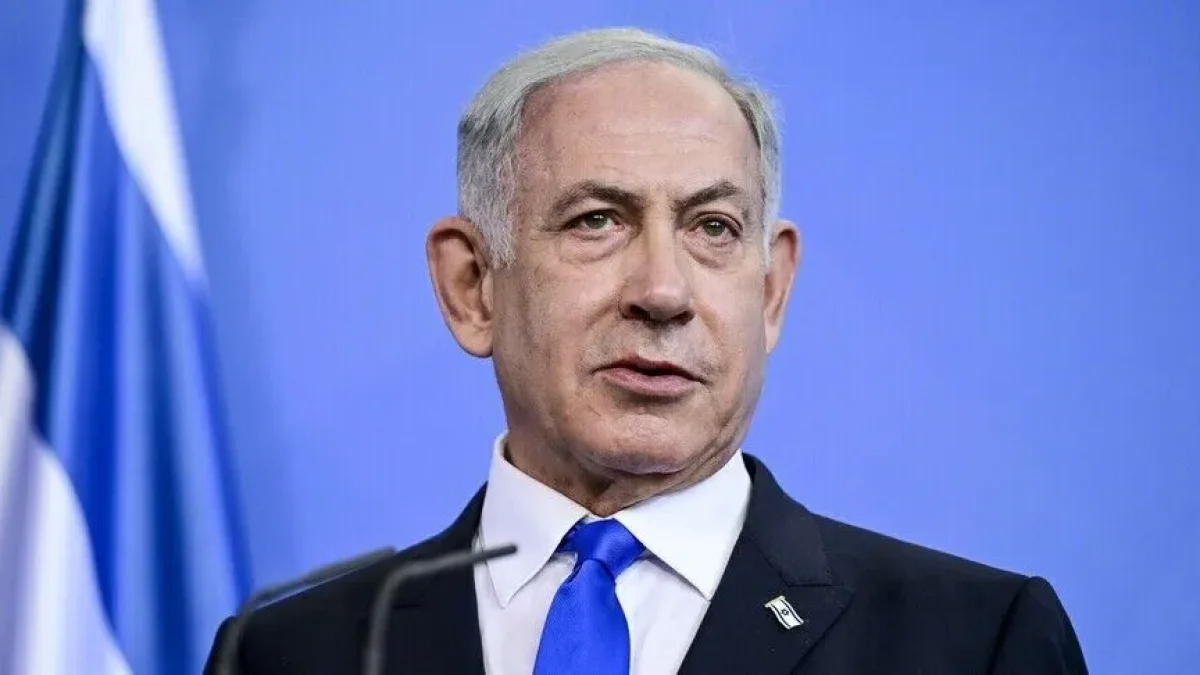
Former Israeli Prime Minister Ehud Barak has issued a sharp critique of current Prime Minister Benjamin Netanyahu's foreign policy approach toward Turkey.
According to information reported by the "Operative Information Center-OMM", citing "Clash Report", Barak described the escalation of tensions with Ankara following an attack on an airbase in Syria as a "reckless and irrational" move.
The former prime minister emphasized that comparing Turkey to Iran or the Bashar al-Assad regime in Syria is fundamentally flawed. Highlighting Ankara's strategic importance, Barak argued that existing disputes with Turkey should be managed through coordination with the United States and discreet diplomatic channels rather than public confrontation. He further characterized Netanyahu's current political trajectory by stating that the prime minister has "completely lost control."
Barak contends that political motivations drive the current strain in Israel-Turkey relations. In his view, Netanyahu is deepening the confrontation with Ankara ahead of upcoming elections to amplify public anxiety regarding national security, thereby aiming to bolster his own political standing. Barak suggests that the current government's primary priority has shifted from ensuring Israel's national security to preserving the prime minister's political future.
It is worth noting that this criticism follows similar remarks from other high-profile Israeli figures. Former Prime Minister Naftali Bennett has previously accused the Netanyahu government of weakening the nation. Bennett claimed that he left Israel in an "excellent state" during his tenure, asserting that the current administration's unprofessional policies have caused significant damage to the country's position in the ongoing information war.
Israel and Turkey have historically maintained complex diplomatic relations, often fluctuating between strategic cooperation and periods of intense political friction. These relations are frequently influenced by regional geopolitical shifts, particularly regarding the situation in the Middle East and the broader security architecture of the Eastern Mediterranean.