 OMM Redaksiyası

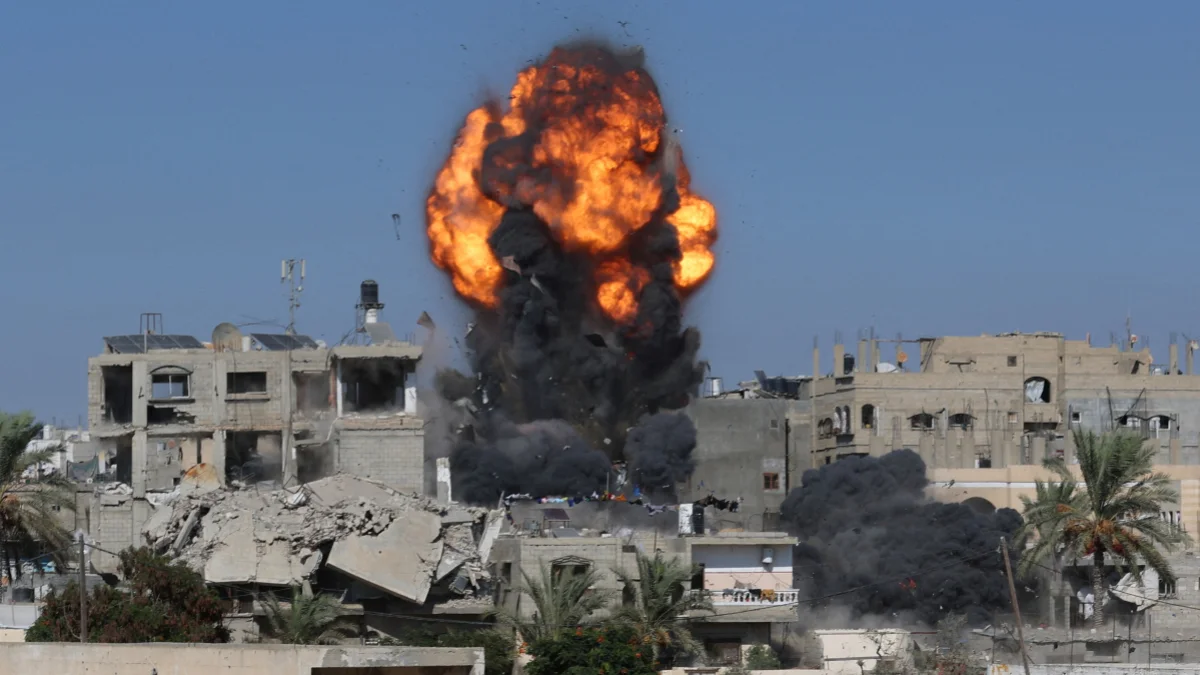
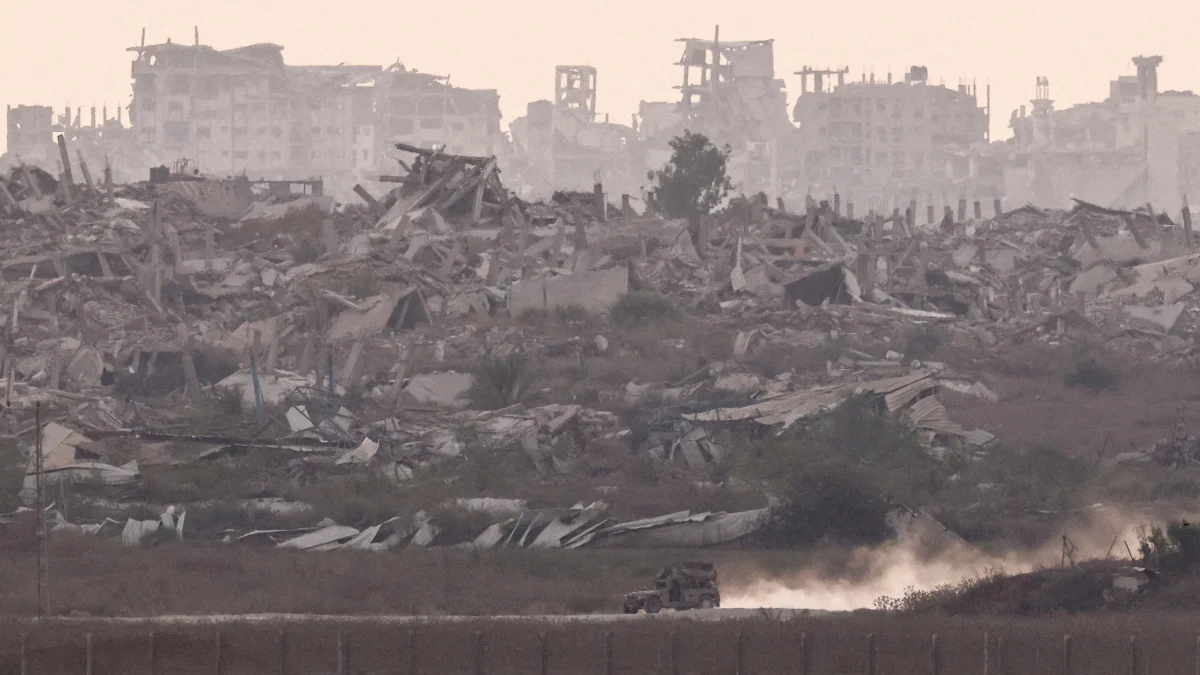
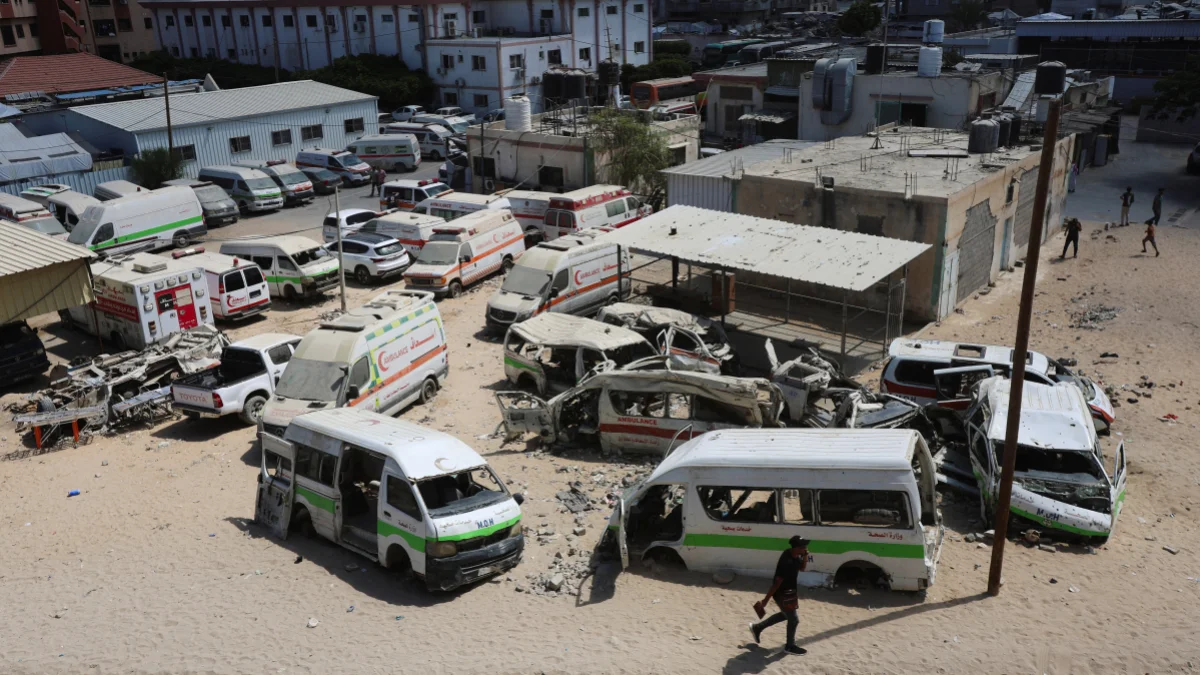
Colombia has informed the International Court of Justice (ICJ) that it has withdrawn its declaration of intervention in South Africa’s case against Israel over alleged violations of the Genocide Convention in the Gaza Strip.
According to an ICJ statement, Colombia formally submitted the decision to the court. The country filed its declaration of intervention on April 5, 2024, under Article 63 of the court’s Statute. The article allows states that are parties to a convention being interpreted in a case to intervene in the proceedings.
Colombia’s intervention did not make it a party to the main case. South Africa filed the case against Israel in December 2023, accusing Israel of violating its obligations under the Genocide Convention in relation to Palestinians in Gaza. Israel rejects the allegations and says its operations in Gaza do not constitute genocide.
Colombia’s previous policy
The decision is being viewed as a reversal of the policy pursued by former President Gustavo Petro, who adopted a pro-Palestinian position during the Gaza war.
In May 2024, Petro announced that Colombia would sever diplomatic relations with Israel. He said his government could not maintain ties with a “government committing genocide.” Colombia also announced plans to open an embassy in Ramallah, in the West Bank.
In August 2024, Petro halted Colombia’s coal exports to Israel. He said the coal was used in the production of weapons employed against Palestinians in Gaza. In April of that year, his government had also submitted a declaration of intervention to the ICJ, citing Colombia’s status as a party to the Genocide Convention.
Plan to restore ties with Israel
The policy changed after Abelardo de la Espriella took office as president in August. The new government is taking steps to restore diplomatic and economic ties with Israel.
The Colombian government has announced plans to reopen its embassy in Jerusalem and establish a bilateral economic commission with Israel. A visit by a Colombian delegation to Israel is also planned for October.
The ICJ has adopted a series of provisional measures in the case since January 2024. Proceedings remain ongoing at the Hague-based court, the principal judicial organ of the United Nations. The ICJ was established under the UN Charter to resolve legal disputes between states and issue advisory opinions on legal questions referred to it by authorized UN bodies.