OMM Redaksiyası

About 159 million Brazilians are eligible to vote on Sunday in a sharply polarized presidential election, with security concerns and bitter exchanges between the leading candidates shaping the campaign, Anadolu reported.
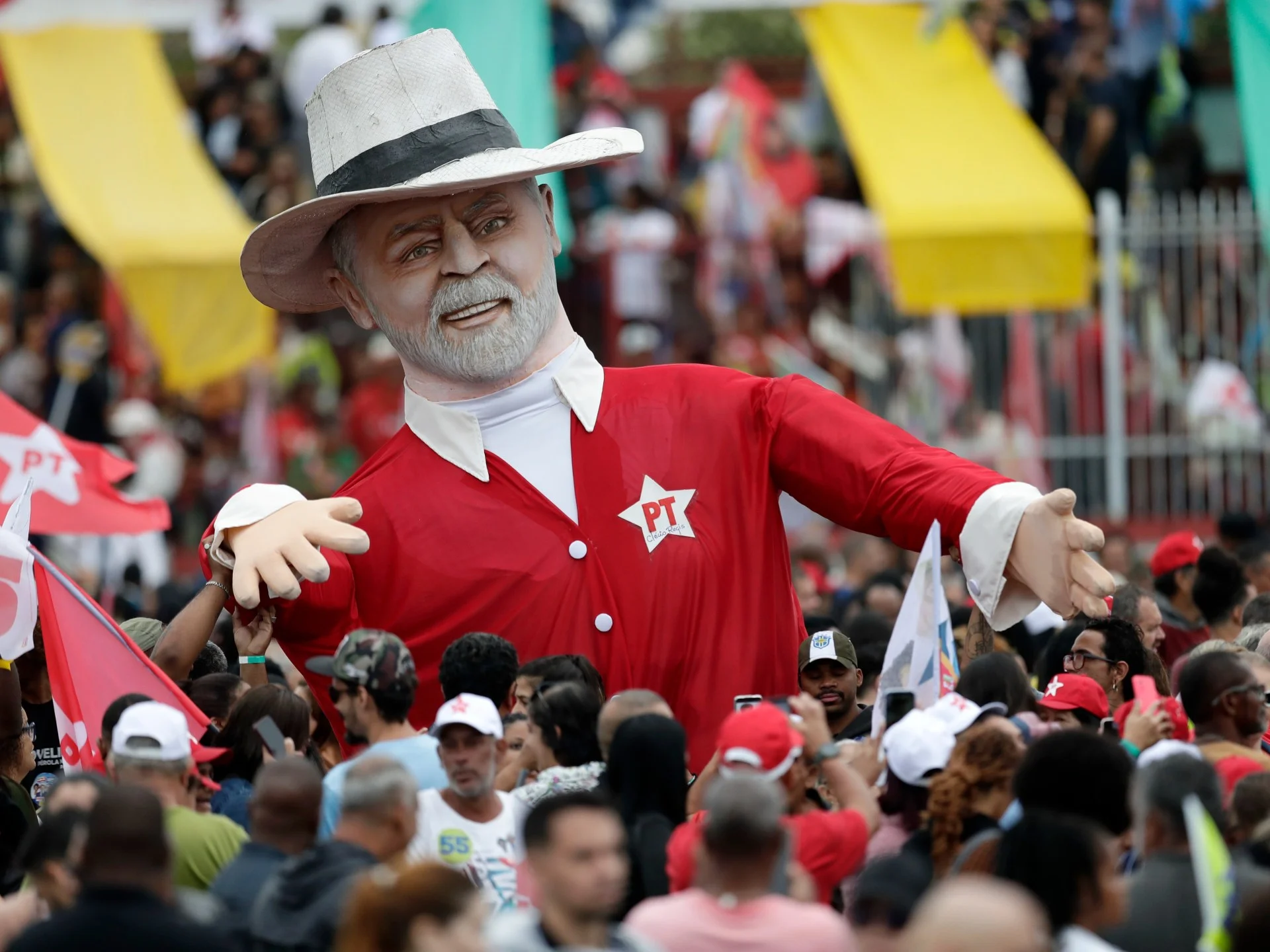
The 12-candidate race is led by incumbent President Luiz Inácio Lula da Silva of the left-wing Workers’ Party and Senator Flávio Bolsonaro of the conservative Liberal Party. Recent polling puts Lula ahead in the first round, but suggests a close contest if the election goes to a runoff.
A Quaest poll released on Monday showed Lula at 39% and Bolsonaro at 34% in first-round voting intentions. The two were tied at 42% in a hypothetical runoff. Under Brazilian election law, the two leading candidates advance to a second round on October 25 if no one receives more than half of valid votes on Sunday.
Security and voter frustration shape the campaign
Polling stations are scheduled to open at 8 a.m. and close at 5 p.m. Brasilia time. Voters will also elect state governors and federal and state lawmakers, and choose two-thirds of the Federal Senate.
Public security has become a major issue, especially in large cities. Lucas de Souza Martins, a Temple University professor of US politics and global affairs, said many residents felt unsafe because of street crime. He said the left had historically struggled to develop an effective public security strategy and noted that Lula had proposed restoring a dedicated ministry for public safety.
Flávio Bolsonaro has called for a tougher response to crime, including US terrorist designations for Brazilian drug cartels. His campaign also emphasizes market-oriented economic policies and conservative social values.
Voter fatigue is another feature of the race. A Datafolha survey released this week found that 47% of respondents thought public interest in the election was lower than in 2022, while 44% said engagement had increased. Martins said voters were frustrated that both political camps had governed without meeting public expectations.
Two candidates face scrutiny
Flávio Bolsonaro, a 45-year-old lawyer and senator, was selected by his father, former president Jair Bolsonaro, to lead the conservative movement into the presidential race. He previously served as a state lawmaker in Rio de Janeiro and had a more limited national profile.
He has faced scrutiny over a Supreme Court investigation into alleged corruption and money laundering linked to financial transactions surrounding a biographical film about his father. Flávio Bolsonaro has denied wrongdoing.
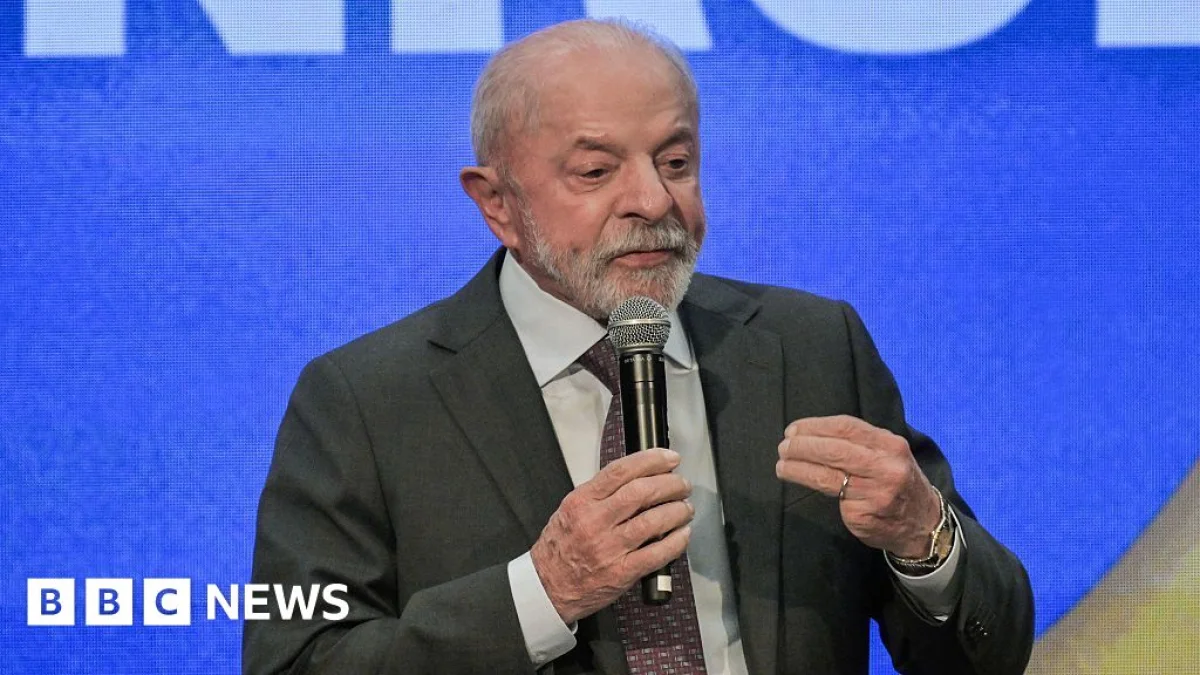
Lula, 80, is seeking a fourth, non-consecutive term after serving as president from 2003 to 2010 and returning to office in 2023. Running with Vice President Geraldo Alckmin, he has campaigned on social welfare, environmental protection, industrial investment and multilateral trade, including through the BRICS group.
Brazil’s Supreme Court has authorized a federal police investigation into suspicions of influence peddling and corruption involving Lula’s eldest son, Fabio Luis “Lulinha” da Silva. The allegations include claims that he helped a lobbyist gain access to Health Ministry officials. His lawyer has questioned the investigation’s legality and said it could be politically motivated.
Democracy and foreign policy at stake
The election is taking place under the shadow of the January 8, 2023, attack on government buildings in Brasilia by supporters of Jair Bolsonaro, following his defeat in the 2022 election. The former president was later convicted of plotting a coup to overturn that result and sentenced to 27 years and three months in prison.
Martins said the consolidation of Brazilian democracy was a central issue in the vote. Political science professor Rachel Meneguello of the University of Campinas said “Bolsonarismo” remained a significant political identity despite controversy surrounding Jair Bolsonaro’s presidency and conviction.
If no candidate wins outright on Sunday, the runoff campaign will last three weeks, and the support of voters who backed smaller candidates could prove important. Martins said Flávio Bolsonaro had inherited a base of about 20% of the electorate after his father endorsed his candidacy.
Brazil’s position between the United States and China is also in focus. Meneguello said preserving the country’s autonomy amid competition between the two powers would remain a challenge regardless of who wins. She said “Bolsonarismo” emphasized ideological alignment with the United States and Israel.
Martins said a Flávio Bolsonaro presidency could bring closer political ties with conservative governments in the Western Hemisphere, while Brazil’s trade relationship with China would limit the scope for a major shift. China is Brazil’s largest trading partner, he said.
Brazil is Latin America’s largest economy and a major agricultural producer, with significant reserves of critical minerals, freshwater and offshore oil. Meneguello said the election’s stakes extended beyond individual policies, describing the preservation of democracy as a central concern.