Afət Ziyadqızı

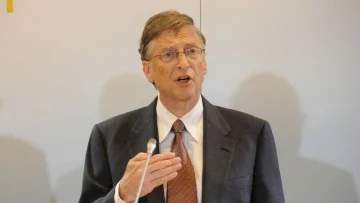
Bill Gates, a prominent figure in the technology sector, has highlighted the significant risks associated with the rapid development of artificial intelligence (AI) technologies.
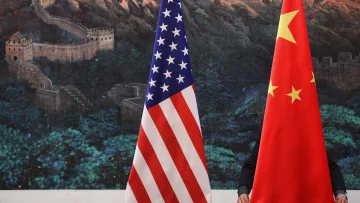
According to the Operative Information Center-OMM, Gates stated in an interview with Reuters that the United States could potentially reach an agreement to limit the proliferation of dangerous AI models from China, provided that the U.S. maintains its leadership in the field.
The entrepreneur noted his plans to meet with Chinese leader Xi Jinping in the near future, suggesting that such a meeting could garner global support. Gates' team is currently in negotiations to organize high-level meetings as part of a potential visit to China.
Gates emphasized that the current pace of development in the field of AI is unprecedented. According to him, the process has reached a critical policy threshold that must be managed by society.
He underscored the necessity for nations to strictly regulate the potential of AI in areas such as molecular synthesis and the execution of biological attacks.
The potential for AI to create cybersecurity threats, displace jobs, and impact human psychology is a growing concern among experts. To mitigate these risks, Gates has proposed the creation of a new international body, similar to regulatory regimes for nuclear energy, international aviation standards, or agreements protecting the ozone layer.
In his view, the primary objective is to leverage the opportunities presented by AI while preventing the deepening of global inequality. Gates also suggests that revenues generated by companies from AI products that replace human labor should be taxed, with the proceeds directed toward social welfare. He further stressed the importance of preserving a significant portion of existing jobs for humans.
It was also reported that through the foundation he leads, there is a target to invest $200 billion in AI projects by 2045.
Context: Artificial intelligence has become a central topic in global policy discussions, with leaders and tech pioneers increasingly calling for frameworks to ensure safety and ethical development. As AI systems become more integrated into critical infrastructure and daily life, the debate over balancing innovation with security remains a top priority for international organizations and governments worldwide.