OMM Redaksiyası

Israel’s Arab Balad party said Thursday it would withdraw leader Sami Abu Shehadeh’s candidacy from the Oct. 27 general election, after the Supreme Court signalled that most judges backed his disqualification, according to Anadolu Agency.
Channel 12 reported that Balad, formally known as the National Democratic Assembly and running as part of the Joint List, had agreed that Abu Shehadeh would accept the court’s proposal to withdraw from the Knesset election.
Why was Abu Shehadeh’s candidacy challenged?
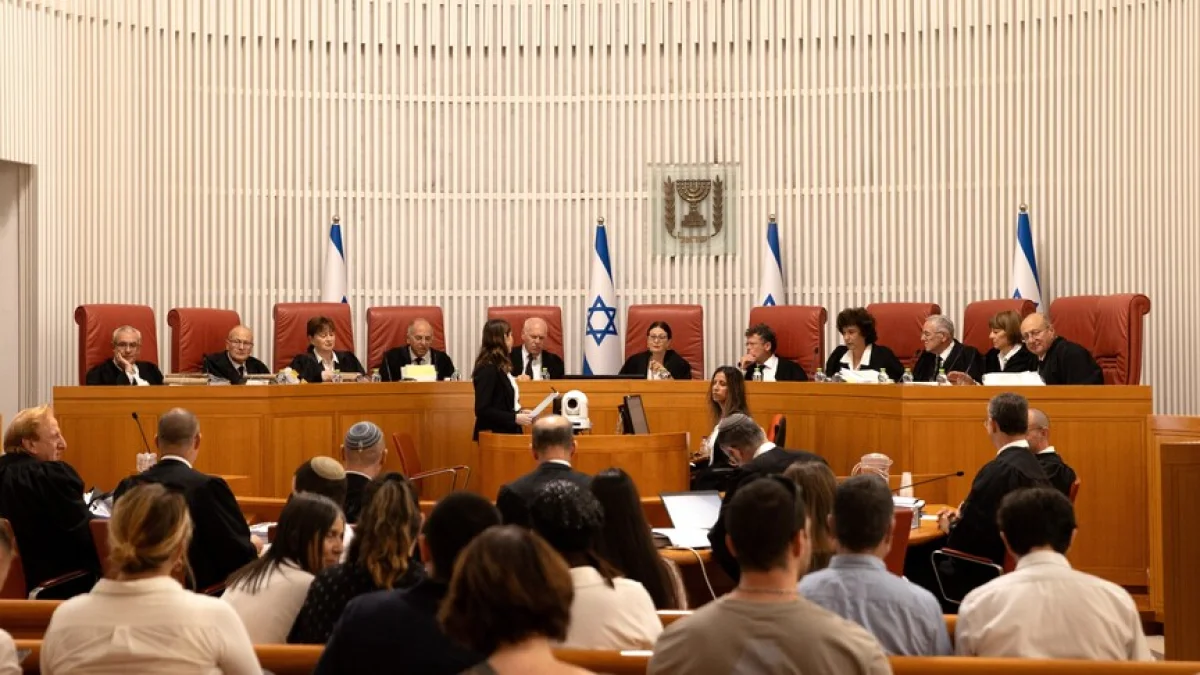
During a hearing on Thursday, Supreme Court President Yitzhak Amit told Abu Shehadeh that most judges on the panel favoured upholding his disqualification. The court gave him until Friday to withdraw voluntarily, warning that it would otherwise issue a ruling barring his candidacy, Israeli public broadcaster KAN reported.
Israel’s Central Elections Committee voted on Sept. 23 to disqualify Abu Shehadeh and Joint List lawmaker Ofer Cassif. It also voted to exclude the Joint List, led by Yousef Jabareen, and the United Arab List, led by Mansour Abbas, from the election.
The case against Abu Shehadeh concerns an article he published on Oct. 8, 2023, a day after a Hamas-led attack on Israeli communities near the Gaza Strip. Right-wing groups, including National Security Minister Itamar Ben-Gvir’s Jewish Power party, sought to disqualify him, alleging that the article supported the attack. Abu Shehadeh denies the allegation.
Addressing the court on Thursday, Abu Shehadeh said he did not support “armed struggle” and acknowledged that a paragraph in the article had been worded incorrectly. He said he had intended to call for moving the conflict towards a political process. KAN reported that judges said some passages in the article prompted “displeasure and revulsion.”
Protests and electoral rules
Adalah, the rights group representing Abu Shehadeh, argued that the disqualification request relied on a single article that contained no explicit call to support armed struggle. Israel’s attorney general backed disqualifying his candidacy.
Arab lawmakers and supporters demonstrated outside the Supreme Court in West Jerusalem as hearings on the disqualification decisions began. Ben-Gvir arrived and waved an Israeli flag in front of the protesters, an Anadolu correspondent reported.
Under Israeli electoral rules, a decision to disqualify an individual candidate takes effect only after approval by the High Court. Decisions barring electoral lists can be appealed to the court, which has previously overturned Central Elections Committee decisions excluding Arab candidates and parties.
Arab citizens make up about 20% of Israel’s population. Voters are due to elect members of the 120-seat Knesset on Oct. 27.