OMM Redaksiyası

The fourth international conference in the Baku Dialogue format on missing persons was held in Baku on Wednesday. The event, titled “Building trust and developing effective mechanisms to resolve the issue of missing persons,” focused on international cooperation in search efforts.
As a result of the more than 30-year conflict with Armenia, 4,010 people in Azerbaijan, including children, women and older people, have been officially registered as missing.
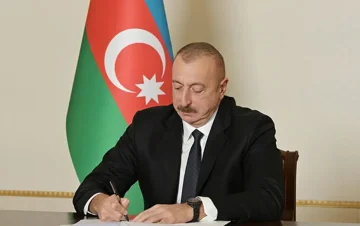
In an address to conference participants, President Ilham Aliyev said that 32 mass graves had so far been discovered in territories liberated from occupation. Examination of human remains found at the sites indicated that some of the people had been tortured.
Conference discusses trust and joint search efforts
The event was organized by Azerbaijan’s State Commission on Prisoners of War, Hostages and Missing Persons. Participants included former heads of state and government, officials from international organizations and foreign countries, heads of relevant agencies, experts, representatives of non-governmental organizations, human rights defenders, ambassadors and military attachés.
A key topic was building trust between the parties and developing practical mechanisms to establish the fate of missing people. Participants discussed gathering information about mass and individual burial sites, as well as joint humanitarian efforts to locate, recover and identify remains.
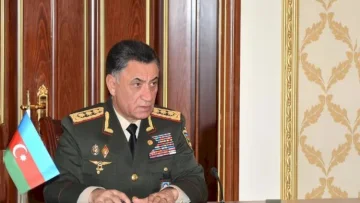
Ali Naghiyev, head of the State Security Service and chairman of the State Commission, read President Ilham Aliyev’s address to the conference. Aliyev described the issue of missing persons as one of the gravest consequences of armed conflicts and a universal humanitarian problem affecting people in different regions.
The president said that, alongside political agreements, building trust and addressing the humanitarian consequences of conflict were essential for lasting peace. Establishing the fate of missing people, he said, was an integral part of the peace process and a moral responsibility to their families.
Aliyev said the restoration of Azerbaijan’s sovereignty and territorial integrity had created new opportunities to search for missing people and discover mass graves.
Proposal to increase the UN’s role in searching for missing people
Lord Brady, a member of the UK House of Lords, recalled a visit to Azerbaijan 16 years ago and the changes he had seen since then. He said he had visited Garabagh during the conflict and met refugees and internally displaced people forced from their homes.
Brady called the achievement of peace an important step forward, but stressed that the issue could not be fully resolved for individuals, families and communities until missing people were identified and their stories brought to light. He said he considered it an honor to support Azerbaijan’s humanitarian efforts in this area.
Ilham Aliyev said the effectiveness of searches depended directly on access to accurate information. He called for information on the fate of missing Azerbaijanis, the locations of mass and individual burial sites, access to relevant archives and the collection of witness testimonies.
“Information concerning human lives must not be politicized,” the president said. Participants also discussed expanding the use of modern forensic expertise, DNA analysis and technological solutions to identify missing people.
Aliyev stressed that effective mechanisms must be based on political will, reliable information and sustained cooperation. He highlighted the importance of access to archives, training specialists and regularly informing families.
The president called for a greater role for the UN and other relevant international organizations in searches, information exchange, forensic capacity and support for families. Since 2002, Azerbaijan has submitted draft resolutions on missing persons to the UN General Assembly. Aliyev said a dedicated mechanism within the UN framework was needed to increase international attention to the issue.