OMM Redaksiyası

More than 200,000 people have been displaced across Yemen since early August as renewed fighting has sharply worsened the country’s humanitarian crisis, a senior United Nations official told the Security Council on Friday.
Mohamed Yahya, the UN assistant secretary-general for humanitarian affairs and deputy emergency relief coordinator, delivered the warning on behalf of humanitarian chief Tom Fletcher. “Further inaction will cost lives,” Yahya said.
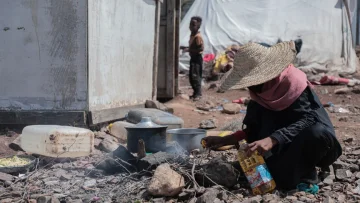
Escalating fighting over the past two months has forced families already worn down by more than a decade of conflict to flee, he said. Many have used up their savings, lost their livelihoods and have few options for finding safety.
The displacement figure is the highest number of newly displaced people since the 2022 truce, Yahya said. Nearly 4,000 others have crossed the Bab el-Mandeb Strait in search of safety in Djibouti and Somalia.
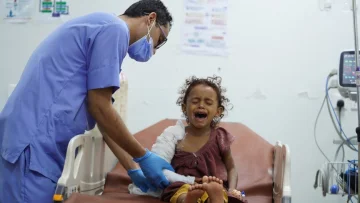
At least 46 civilians have been killed and more than 130 injured since early August, according to figures from the Office of the UN High Commissioner for Human Rights cited by Yahya. Women and children are “paying the highest price” as the conflict intensifies, he said.
Conflict-related casualties are adding pressure to overstretched health facilities and pushing Yemen’s health system “closer to collapse,” Yahya warned. He said insufficient resources could deepen the crisis, make recovery harder and more costly, and leave vulnerable families less able to withstand future shocks.
Yahya said a political solution was essential to prevent further suffering, warning that continued fighting would displace more people and further restrict humanitarian access. He called for concrete support and collective action to help Yemen’s people.
Inger Ashing, chief executive of Save the Children International, told the Security Council that the escalation threatened children’s safety, education and well-being. For many children, she said, conflict had turned education from a route to opportunity into a refuge from danger.
Ashing warned that the country faced a “deadly convergence” of conflict, displacement, economic decline and rising infectious and waterborne diseases. Children were at “disproportionate risk” from explosive weapons, she said, adding that without urgent action more would face lasting harm to their survival, learning and protection.