OMM Redaksiyası

The United States and China have agreed to apply more favorable tariff terms to goods worth about $30 billion in two areas. The agreement also provides for the creation of a new dialogue channel for cooperation in artificial intelligence.
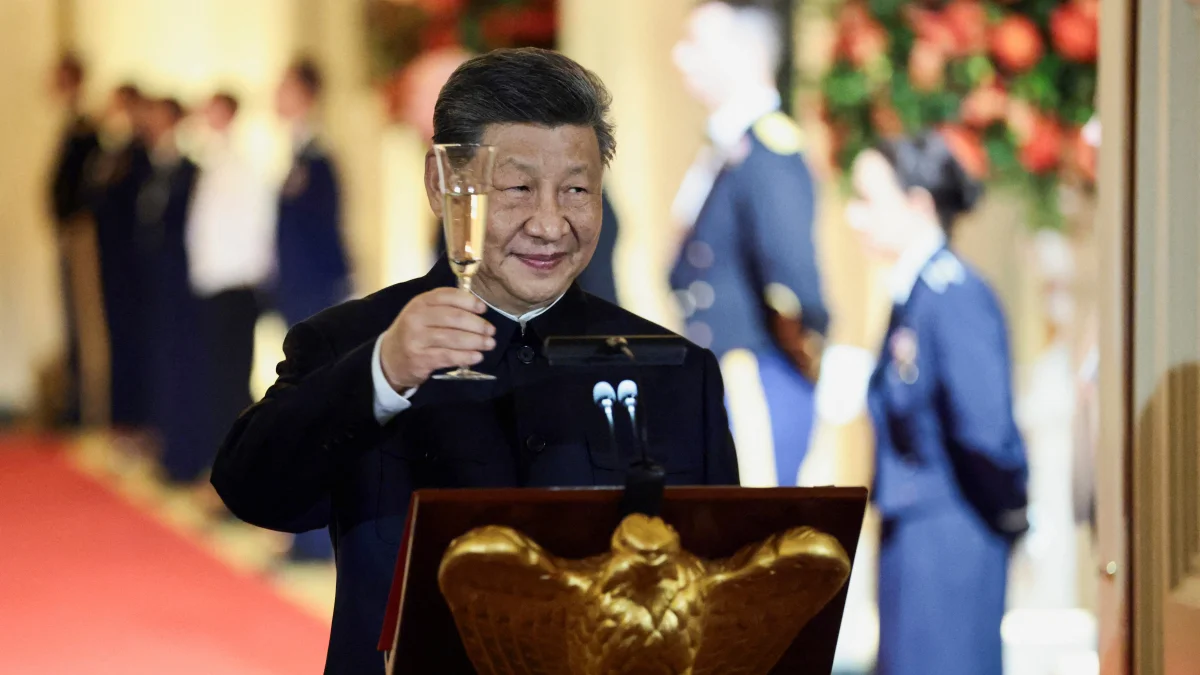
The decisions followed a three-day summit between Chinese President Xi Jinping and President Donald Trump during Xi’s visit to the United States. The meetings were seen as an effort to stabilize relations after trade disputes, technological rivalry and geopolitical tensions between the two countries.
Tariff concessions
The new agreement will cover various products traded between the two countries, including agricultural goods, consumer products and industrial goods. Officials presented the move as a practical measure aimed at supporting trade while broader economic negotiations continue.
The tariff reductions complement an earlier decision by Washington and Beijing to extend the existing trade truce. The sides also agreed to establish a new trade council to discuss economic issues and prevent potential disputes from escalating.
New dialogue on artificial intelligence
One of the summit’s main outcomes was the creation of a dedicated dialogue on artificial intelligence. The sides intend to begin structured discussions on the opportunities and risks associated with the rapidly developing technology.
Future talks will address AI governance, safety issues and possible mechanisms for managing incidents involving advanced systems. The agreement also includes plans to establish direct communication channels in the event of AI-related incidents.
Global issues also discussed
Although strategic competition between Washington and Beijing continues, the latest agreements indicate that the sides are seeking to prevent tensions from causing broader economic disruption. However, no comprehensive agreement has been reached on the main differences separating the two countries.
The summit also covered upcoming meetings within the Asia-Pacific Economic Cooperation forum and the “G20,” regional security issues, Iran’s nuclear program and keeping international shipping routes open.
The tariff concessions provide limited but concrete relief for companies involved in bilateral trade. The AI dialogue establishes a new framework for exchanging views on one of the most important technologies of the 21st century. It remains unclear whether these initiatives will lead to broader cooperation.