OMM Newsroom

Russia’s first tanker carrying oil for world markets has departed from its point of origin, Deputy Prime Minister Alexander Novak said on Saturday, according to Anadolu Agency.
Speaking on the political talk show “Solovyov Live”, Novak said Moscow had “no issues” with oil sales and that many countries were interested in buying Russian oil.
“I am aware that the first tanker has already been loaded and dispatched from the port at Dikson,” he said, referring to the Russian Arctic port on the coast of the Kara Sea in the Krasnoyarsk region.
On Oct. 9, US President Donald Trump announced a diesel supply agreement following a phone call with Russian President Vladimir Putin. Under the agreement, Moscow would supply fuel to the United States and global markets.
Putin said Russian diesel supplies to the US and global markets would benefit the world economy. Ukrainian President Volodymyr Zelenskyy criticized the deal, warning that easing restrictions on Russian diesel exports could help finance Russia’s war effort.
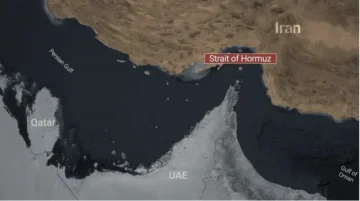
Novak said the market was facing a shortfall of about 4-6 million barrels of oil per day, which had pushed prices up. He said prices remained elevated despite market expectations of a resolution and could rise further if the situation in the Strait of Hormuz did not improve.
“If the opportunity for supplies from Persian Gulf countries opens up, it seems to me that the market will rebalance within a year to a year and a half,” Novak said.
He added that the use of oil reserves to stabilize the global market was “already being exhausted.”
Russia expects to supply China with 39 billion cubic meters of gas through the “Power of Siberia” pipeline, Novak said. He added that an agreement was in place to expand the pipeline’s capacity to 44 billion cubic meters.
Novak said the technical capability to resume gas supplies to Europe through the Nord Stream pipelines remained, “if decisions are made regarding the damaged pipelines.”
“Currently, three of the four lines are inoperable as a result of terrorist attacks and explosions. One line remains intact, and supplies could be delivered through it. However, this depends on the consumers – on our European counterparts,” he said.