 OMM Redaksiyası

On Sept. 25, 2026, five key developments emerged from the agenda on the third day of the 81st UN General Assembly.
Netanyahu defends Israel’s regional policy
Israeli Prime Minister Benjamin Netanyahu defended his country’s actions in the region during a 40-minute address to the UN. He highlighted what he described as Israel’s struggle on seven fronts and praised the support of US President Donald Trump.
Dozens of delegates left the hall during the speech. A protest was also held outside the UN headquarters.
Palestinian president calls for an end to occupation
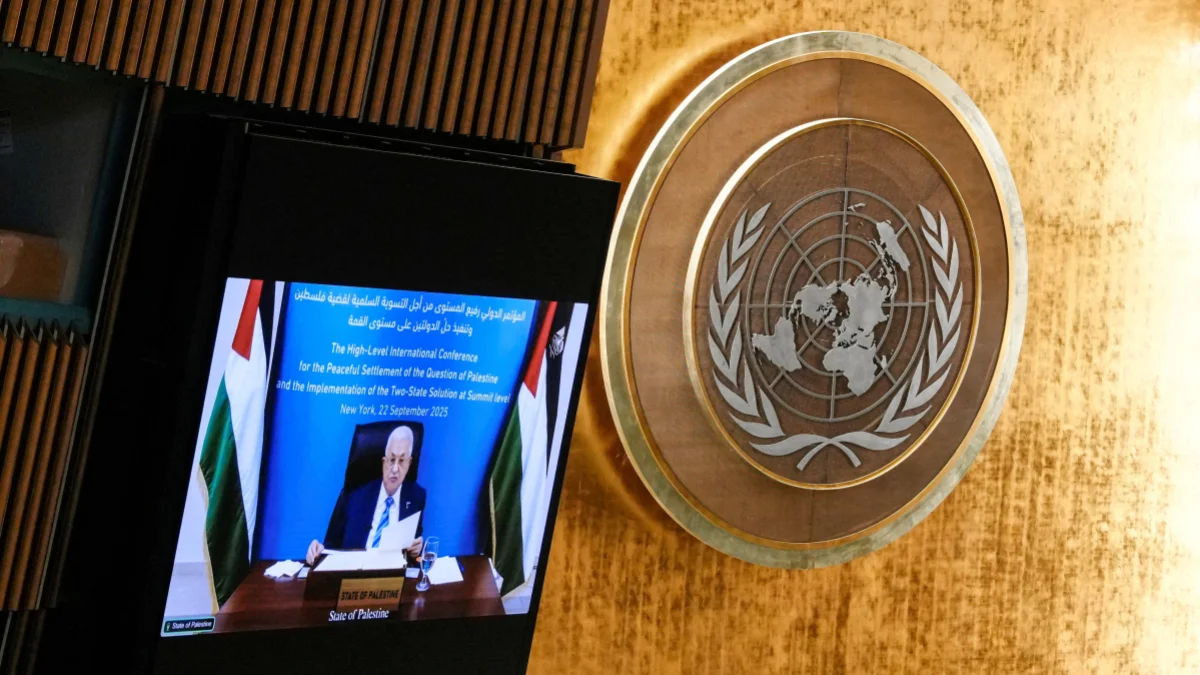
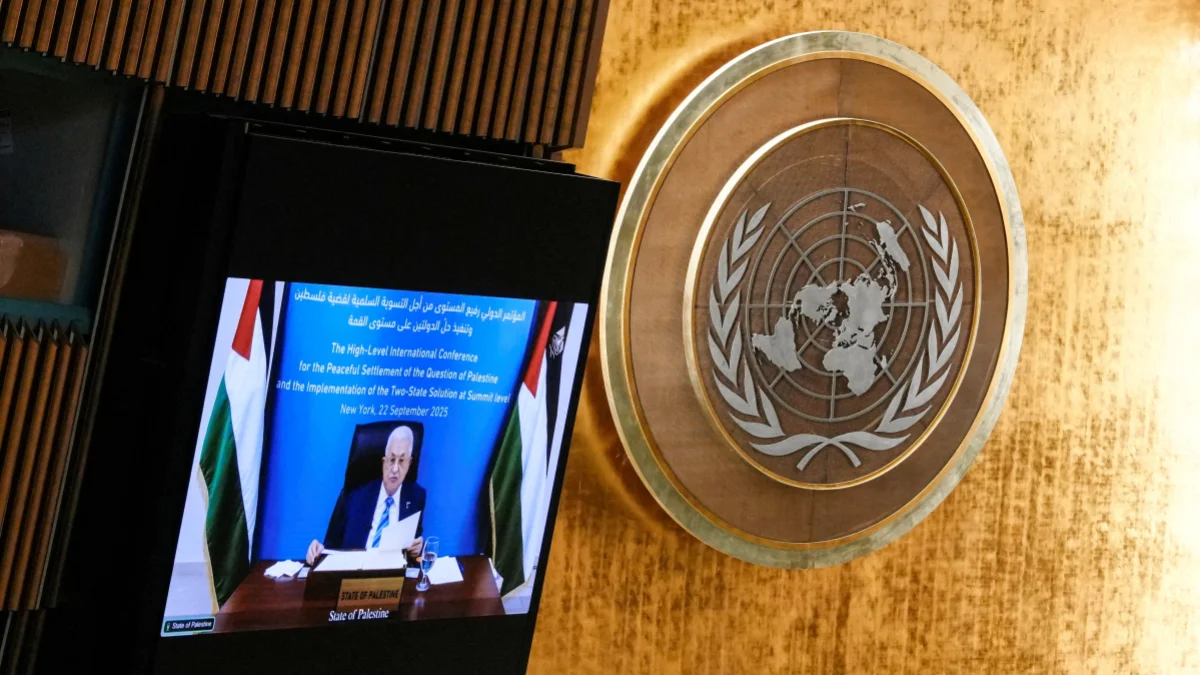
Palestinian President Mahmoud Abbas addressed the General Assembly in a prerecorded video message after saying that he had not been issued a visa to enter the United States.
Abbas accused Israel of pursuing policies including settlement expansion and home demolitions that, in his view, threaten the future of the Palestinian people and the prospects for a two-state solution.
Armenia-Azerbaijan relations and regional connectivity
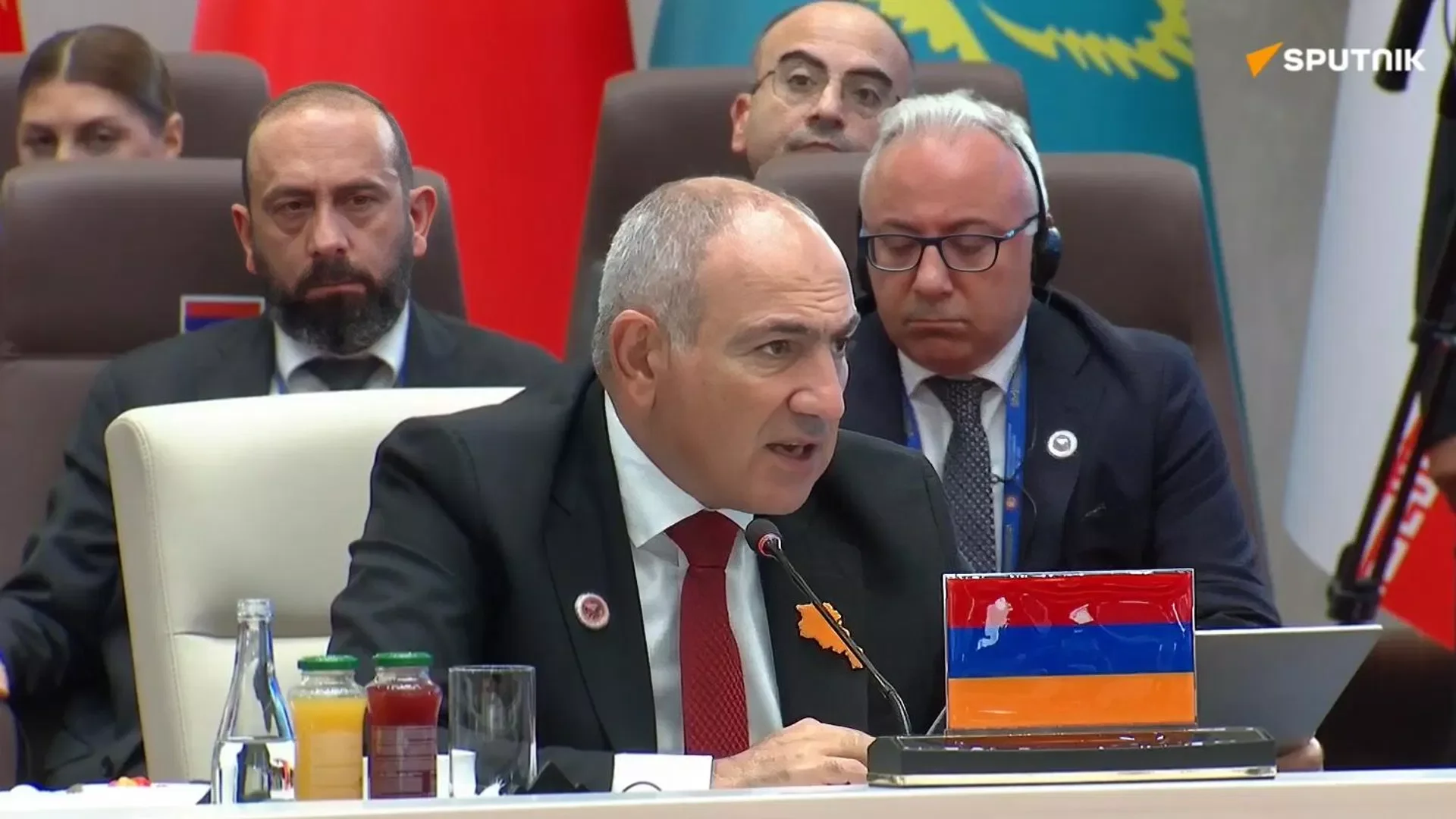
Armenian Prime Minister Nikol Pashinyan said relations should be based on the principles of mutual respect for territorial integrity, sovereignty and political independence. He noted the contribution of US President Donald Trump to establishing peace between the two countries on Aug. 8, 2025.
Pashinyan also highlighted the “Trump Route for International Peace and Prosperity” (TRIPP) connectivity project proposed to pass through Armenian territory.
Georgian Prime Minister Irakli Kobakhidze emphasized his country’s role as a regional trade and connectivity hub. He spoke about the Middle Corridor and planned infrastructure investments.
Kobakhidze also raised Russia’s control over Abkhazia and South Ossetia, calling for dialogue and expanded regional cooperation.
European Union seeks global rules on artificial intelligence
European Council President Antonio Costa called for a transparent, accountable and regulated global framework for artificial intelligence. According to him, artificial intelligence “must serve humanity, not control it.”
Costa also condemned Russia’s war in Ukraine, saying it violates international law and has consequences for Europe’s security.